Odisha – Temple City of India

Introduction

Odisha, formerly known as Orissa is situated on the eastern part of the Indian subcontinent. The state was established in 1936 under the British rule. A large part of the state speaks Oriya, the native language of Odisha.

Capital

Bhubaneswar is the official capital of Odisha. Cuttack was the capital of the state before independence. The city is also known as the ‘temple city’ of India because of the presence of numerous beautiful temples here.

Culture

The inhabitants of Odisha are mainly tribal who love to sing, dance and enjoy. Mayubhanj Chau is the most famous dance form of Odisha. Sand art is practiced on the beaches of Odisha.

Weather

The state of odisha experiences a typical tropical type of climate. During the summers, it experiences hot winds coming from the northern areas and during winters, biting cold winds blow all over the state. The average temperature during summers is 36⁰-40⁰C while during winters the temperature may drop down to 10⁰C.

Lifestyle

Odisha has long been known for its exotic lifestyle and beautiful beaches. The people indulge themselves in works like hunting, fishing and gathering.

Major crops grown

Agriculture is the major occupation of the people of odisha. The state is amongst the largest producers of rice in the country. Other crops grown here include jute, oilseeds, pulses, coconut, sugarcane, tea, rubber, maize etc.

Costumes and Ornaments

Western dressing has entered the state and has been widely accepted by both rural and urban people. Traditional wear includes dhoti, kurta and gamcha among men and sari of different kinds among women.

Major festivals

The major festivals celebrated in Odisha are Saraswati puja, Ganesh puja, Shiva ratri, Janmashtmi and Karma festival.

Tourist attraction

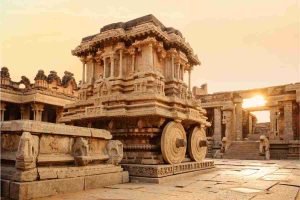
Orissa is famous for its beaches and temples. The puri beach is a famous tourist attraction in odisha. Other places which attract tourists are Jagannath temple, Konark sun temple, Ling raja temple and Nandankanan zoological park.

Kinds of homes

The population of Orissa consists mainly comprised of tribal people who have settled in the plain. Few of them also reside in the hilly areas with well built plastered houses.

Famous personalities

Odisha is home to many eminent personalities who have contributed in various fields like art, literature, freedom fight, journalism, etc. Few names in the literary field are Gangadhar Meher, F.M.Senapati. Freedom fighters like Dr. H.K. Mahtab, Pandit Gopabandhu Das.
Never Grumble over your lot

It was a fine day during the rainy season. A peacock was dancing happily in a forest. Suddenly he was reminded of his ugly rough voice. His face fell and tears welled up in his eyes.

Suddenly he saw a night-in-gale sitting in a nearby tree. “What a sweet voice she has got! Everybody loves and praises it. But when I utter a sound, everyone laughs at me. How unlucky indeed!” lamented the peacock.

Just then appeared Juno—wife of Jupitor, chief of gods.

“What makes you so sad,Mr peacock?” asked her. 

“I have got such a beautiful body that all praise it. But my voice – how ugly and rough! It is no use having this beauty,” sobbed out the peacock.

“Never grumble over your lot. God has given various gifts to several creatures—to you beauty, to the eagle strength, to the night-in-gale song, and so on. Nobody except you is unhappy.”

Moral of the story: Learn to live with what you have got.

Kids Story: United we stand, Divided we fall

Kids Story: United we stand, Divided we fall

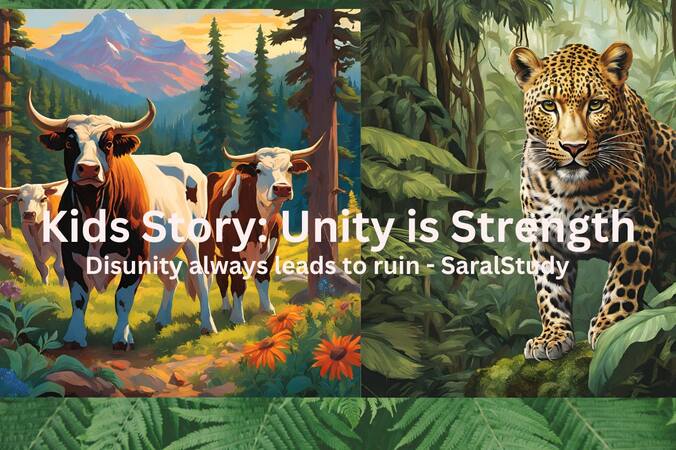
Once upon a time, in a lush green forest filled with towering trees and vibrant flowers, there lived three mighty bulls named Bruno, Benny, and Bongo. These bulls were not just strong and hefty; they were also the best of friends. Their bond was unbreakable, and they spent every moment together, grazing in the meadows, drinking from the cool streams, and exploring the vast expanse of their home. Wherever one went, the other two followed, creating a trio that was both powerful and inseparable.

The forest was a beautiful place, but it was not without its dangers. Among the shadows lurked a cunning leopard named Leo. Leo was sleek and stealthy, with sharp claws and a hunger for meat. He often watched the three bulls from a distance, his mouth watering at the thought of having them for dinner. However, he knew better than to approach them while they were united. The sight of the three bulls standing side by side was enough to send shivers down his spine. Even the mighty lion, the king of the jungle, dared not challenge them when they were together.

But Leo was not one to give up easily. He was clever and resourceful, and he devised a plan to separate the bulls. He knew that if he could create discord among them, he would have a chance to strike. To execute his scheme, Leo enlisted the help of a sly jackal named Jax. Jax was known for his ability to spread rumors and create misunderstandings among animals.

One sunny afternoon, while the bulls were resting under a large oak tree, Jax approached them with a sly grin. “Hello, my strong friends!” he called out. “Have you heard the latest news? I overheard some animals talking about how Benny thinks he is the strongest of you three. They say he believes he could take on both of you at once!”

Bruno and Bongo exchanged glances, their brows furrowing in confusion. “Is that true, Benny?” Bruno asked, his voice tinged with concern.

Benny, taken aback, shook his head vigorously. “Of course not! I would never think that! We’re a team, remember?”

But Jax was quick to interject. “Oh, but I also heard that Bongo thinks he is the smartest of you three. He believes he can outsmart both of you in any challenge!”

Bongo felt a pang of betrayal. “That’s not true! I value our friendship above all else!” he protested.

As Jax continued to weave his web of deceit, the bulls began to doubt each other. The seeds of mistrust were planted, and soon they found themselves drifting apart. Instead of grazing together, they started to spend time alone, each nursing their grievances and feeling misunderstood.

Seeing the bulls divided, Leo seized the opportunity. One evening, as the sun dipped below the horizon, casting long shadows across the forest, Leo stealthily approached Bruno, who was grazing alone. With a swift and silent leap, he pounced on the unsuspecting bull. Bruno let out a startled bellow, but it was too late. Leo had caught him off guard, and in a matter of moments, Bruno was no more.

The next day, Benny and Bongo, still feeling the weight of their misunderstandings, wandered separately in search of their lost friend. As Bongo grazed near a thicket, Leo struck again, this time targeting Bongo. The poor bull never stood a chance, and soon, he too fell victim to the cunning leopard.

Finally, Benny, feeling lonely and regretful, returned to the spot where they used to gather. He sensed something was wrong. The forest felt eerily quiet, and the absence of his friends weighed heavily on his heart. As he searched for them, he stumbled upon the remnants of their last grazing spot, now marked by the signs of a struggle.

In that moment, Benny realized the truth. The division that had come between them was a trap set by Leo and Jax. He felt a deep sorrow for allowing doubt to creep into their friendship. If only they had stayed united, they could have faced any danger together.

But it was too late. Benny’s heart ached as he understood the moral of their tragic tale: disunity always leads to ruin. With a heavy heart, he vowed to honor the memory of his friends by spreading the lesson he had learned. He would tell the story of the three bulls to all the animals in the forest, reminding them of the strength that comes from unity and the dangers of division.

And so, the tale of Bruno, Benny, and Bongo lived on, a poignant reminder that true strength lies not in individual might, but in the bonds of friendship that hold us together. From that day forward, the animals of the forest learned to cherish their friendships, knowing that together, they could overcome any challenge that came their way.

Moral of the story: Disunity always leads to ruin.

Also Read: Dark Humor: History, Evolution, and Key Figures (1800s to 2024)

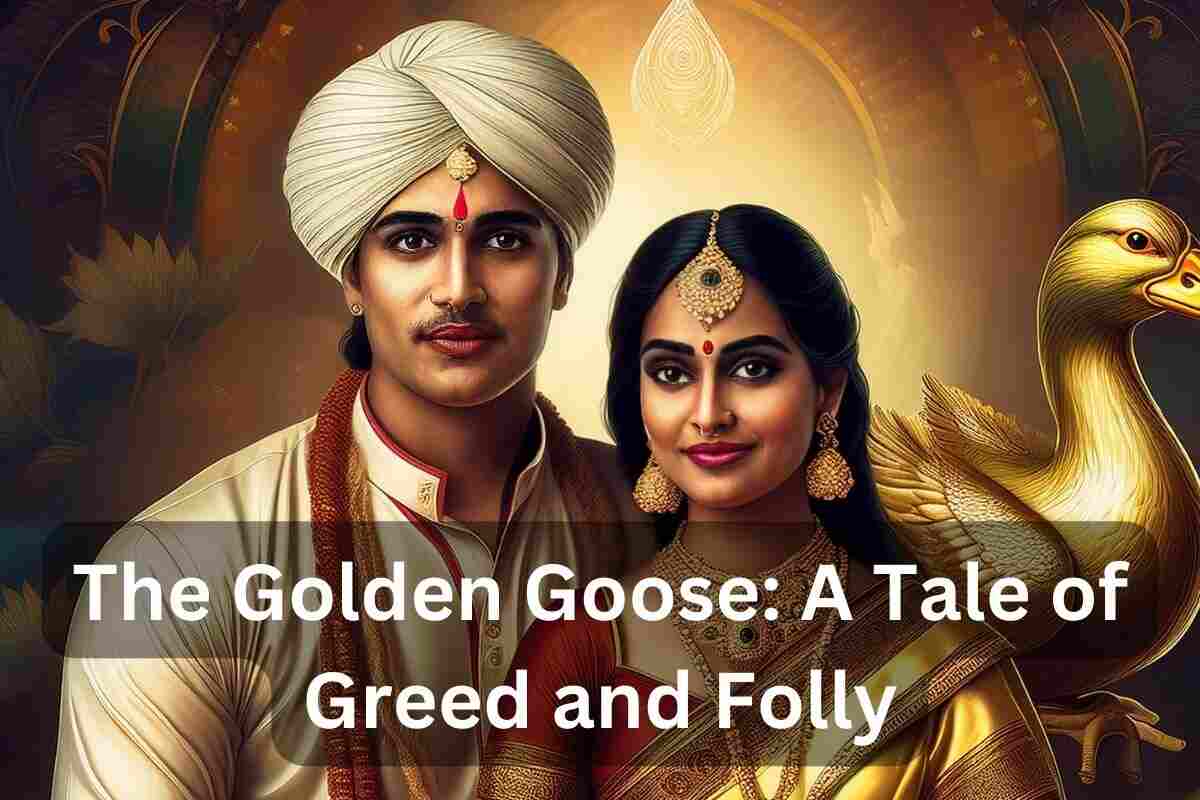
The Golden Goose – Greed is A Curse Indeed

The Golden Goose - Greed is a curse indeed

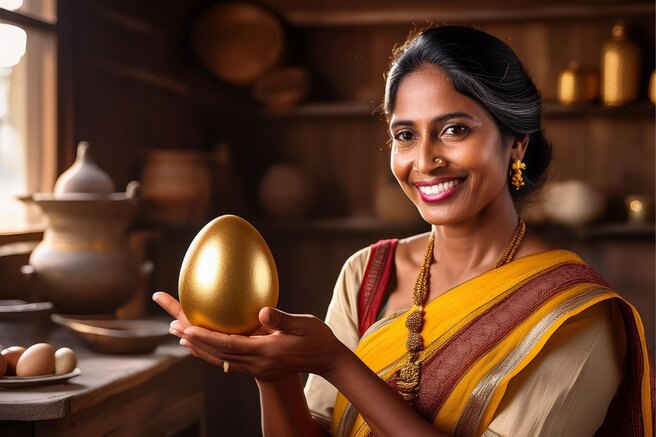
Once upon a time, in a quaint and serene village nestled between rolling hills and lush green fields, lived a humble couple. Their lives were simple yet content, marked by the rhythm of nature and the warmth of their community. The couple owned a magnificent goose, unlike any other. This extraordinary goose laid a single golden egg every day, filling their hearts with joy and their days with hope.

A Daily Miracle

Each morning, the lady of the house would eagerly collect the golden egg, her face glowing with gratitude. She marvelled at their fortune, feeling blessed by this daily miracle. The golden egg provided them with enough to live comfortably, ensuring they never wanted for anything. Their neighbours often spoke of their luck and admired the couple’s modest prosperity.

A Golden Egg
A Golden Egg

The Man’s Discontent

However, beneath the surface of this idyllic life, there lurked a shadow of discontent. The man, driven by an insatiable desire for wealth, found little joy in their daily treasure. He was not satisfied with the steady flow of one golden egg per day; he wanted more. His dreams were filled with visions of grandeur, and his heart burned with the impatience of a get-rich-quick mindset.

A Dangerous Plan

One restless night, the man lay awake, consumed by his thoughts. He envisioned a future where they were fabulously wealthy, living in luxury beyond their wildest dreams. In his mind, the only obstacle to this future was the slow pace of their current fortune. Driven by greed, he devised a dangerous plan. “What if,” he thought, “we could get all the golden eggs at once?”

The Fatal Decision

The next morning, driven by his reckless ambition, the man approached the goose. As it laid its daily golden egg, he seized it with a firm grip. Ignoring the horrified look in his wife’s eyes, he fetched a sharp knife. With a swift and ruthless motion, he killed the goose, believing he would uncover a treasure trove of golden eggs within.

The Harsh Reality
The Harsh Reality

The Harsh Reality

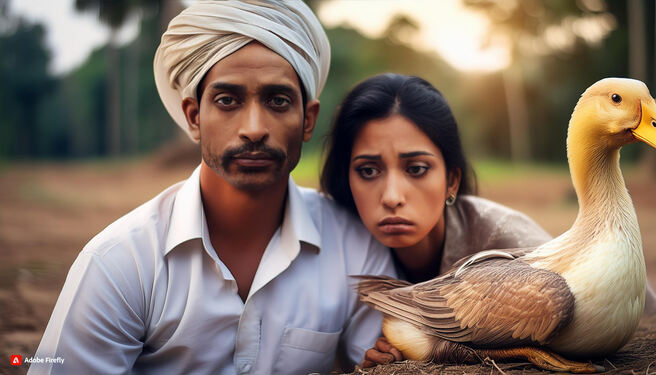
But reality struck hard and fast. As he cut open the goose, his heart sank. There were no more golden eggs inside, only the lifeless body of the bird that had once been their blessing. In his greed, he had destroyed the source of their daily miracle. The man was left with nothing but regret and despair. The steady flow of golden eggs ceased forever, and their dreams of wealth crumbled into dust.

The Downfall

With the goose gone, their fortune quickly dwindled. The man, once driven by dreams of opulence, watched helplessly as their wealth faded away. Day by day, they grew poorer, struggling to make ends meet. The lady, though heartbroken, continued to support her husband, but the spark of happiness had left their lives. The man’s greed had not only cost them their prosperity but also their peace and contentment.

The Moral of the Story

The tale of the golden goose teaches us a timeless lesson: “Greed is a curse indeed.” The man’s insatiable desire for more led him to make a foolish decision, resulting in his ultimate downfall. The story reminds us to appreciate what we have and to be wary of the destructive power of greed. True happiness and prosperity come from gratitude and contentment, not from reckless ambition.

Conclusion

The story of the golden goose is a poignant reminder of the perils of greed. It encourages us to cherish our blessings and to understand that the pursuit of excessive wealth can often lead to our ruin. In a world where the lure of quick riches can be tempting, this timeless tale urges us to find joy in what we have and to be wise in our ambitions.

Also Read: Moral Story: The Wise are Seldom Taken In

Maharashtra – A Home to Marathi and Bollywood Film Industry

Introduction

Maharashtra is the most populous state of the nation. The state inhabits around 110 million people. The state is a home to Marathi and Bollywood film industries also. Because of the immense job and business opportunities available in Maharashtra, people from all parts of the country migrate to this state and settle here.

Capital

Mumbai is the capital of Maharashtra and is also the financial capital of the country. The city is home to the headquarters of all the major banks in the country. The city is famous for its seaside location and the fact that many Bollywood celebs live here.

Culture

The Marathi culture is visible in the day to day life of the people of Maharashtra. Their culture is a fusion of different castes, creeds and religions. The main craftwork of Maharashtra includes KolhapuriChappals, Kolhapurijewelry of different varieties. Women indulge in jewellery making and handmade footwear of leather.

Weather

The state of Maharashtra experiences tropical monsoon climate. The weather conditions are not extreme with the summer temperatures ranging between 22-39 degrees and the winter temperature between 12-34 degrees. Winter season is pleasant and dry while the summers are hot and humid. The monsoon season begins from June and lasts till September/October.

Lifestyle

The Marathi people are very welcoming and hospitable. People from different religions reside there harmoniously. Excluding the urban population, a large part of Maharashtra has tribal and rural population. The people of Maharashtra love their dance, music and festivals.

Major crops

Agriculture is practiced mainly in the land of Maharashtra. Cotton and sugarcane are the major crops grown here. Other crops found here are wheat, rice, mangoes, bananas, seasonal vegetables, grapes etc.

Costume and ornaments

The dressing sense of Marathi people is influenced by their traditional culture. Men in general wear a dhoti with a shirt and a head gear called pheta. The women wear a 9 yard sari teamed up with a choli or blouse.

Major festivals

Apart from holi and diwali which are celebrated all over the country, dussehra and ganesh chaturthi are two festivals that are celebrated with great zeal and the celebrations reach the zenith during the festival nights.

Tourist attractions

Maharashtra has a lot to offer to the tourists. The main places of interest include Dargah of Haji Ali, Gateway of India, and Elephanta Caves, Bibi ka Maqbara, Ajanta and Ellora caves.

Kinds of homes

The urban population of Maharashtra resides in well built apartments, luxurious skyscrapers and flats while the rural population lives in houses with basic amenities.

Famous personalities

Chhatrapati Shivaji, Aziz Premji, numerous Bollywood Icons and Business tycoons also belong to Maharashtra.

GOA: The Beaches State of India – An Overview

Introduction

The first thing that comes to mind when one hears about Goa is the beach. Goa, ‘the pearl of the east’ has been a famous spot for tourists because of its age-old ruins, beautiful churches, picturesque landscape and beaches.

Capital

Goa is a state of barnstorming spots and its official capital is Panaji. Panaji is the main attraction for tourists worldwide. People all over the globe visit Goa for the heritage architecture, worship places and most importantly the beaches.

Culture

The people of Goa are mostly Hindus, but a strong Catholic influence is seen in the monuments and culture of the state. People found here are very good at wood carving, bamboo and seashell crafting. Other important craftwork includes brass metals, wooden lacquer ware, embroidery, metal embossing, stone carving, soft toys and artistic weaving.

Weather

The weather in Goa is moderate. The month of May is hottest during summers and the coldest months are January and February. The monsoon season is from the month of June till September.

Lifestyle

The Portuguese settled in Goa for a long time, which is why the lifestyle of the people has the influence of Portugal.

Major crops grown-Agriculture is an important activity in Goa. The main food crops grown here are paddy, maize, Bajra, Ragi, jowar and pulses. The main cash crops found here are coconut, mango, banana, cashew nut, pineapple etc. onions and chillies are also grown here.

Costume and Ornaments

Skirt is a common outfit among females due to strong Portuguese influence. Traditional sari is also worn by women on special occasions in a different style.

Major Festivals

The festivals of Goa are mostly Christianity specifically. Thanksgiving, processions, feast days, the feast of our lady of miracle (celebrated after 16 days of Easter) are some of the festivals of Goa which both the Hindus and Christians celebrate with joy.

Tourist Attraction

The historical monuments and churches in the state show a harmony between Indian and Portuguese culture. The palm fringed beaches are the biggest tourist attraction here. Goa is the home to around a million years old beaches which are famous all over the world. Other famous places include the Indian bazaars, magnificent churches and the temples.

Kinds of homes

The houses are beautifully designed with the brick art easily visible outside each house. People live in small houses that are not much maintained and the industries will rarely be seen except on the outskirts.

Famous personalities

Goa has given birth to many of the famous personalities be it the freedom fighters, musicians or the political leaders. Mohan Ranade was a freedom fighter who actively participated in the freedom movement of India.

Establishment Date

On 30th May,1987 Goa was made India’s 25th state.

Chattisgarh – A steel and electricity store of India

Introduction

Chhattisgarh was formed in 2000 when it was separated from Madhya Pradesh. The state is a storehouse of steel and electricity and accounts for the largest contributor of both these things in the country. It has become one of the fastest developing states with time.

Capital

After partition, Raipur was made the capital of Chhattisgarh. Raipur has its name in the top list when it comes to sites of archaeological importance and ancient heritage. The majority of people residing in the city belong to the Hindu community.

Culture

A large part of the state consists of tribal people who speak Hindi and Chhattisgarhi. They are peace loving and live in harmony with nature. They are hard working and creative at the same time. Industries located on the outskirts employ people, while the other lot expertise in traditional handicrafts.

Weather

Chhattisgarh experiences tropical climate. As it is close to the tropic of cancer, it remains hot and humid for most part of the year. During the summers, temperatures shoot up to 45 degrees. The state receives an appreciable amount of rain during the months between June and October. Winters are pleasant and cool with less humidity.

Lifestyle

The tribal people of Chhattisgarh have a distinct lifestyle that revolves around delicious cuisines, traditional dance forms and local music. They have their own way of living that is not influenced by any foreign factor.

Major festivals

The people in Chhattisgarh are full of life and they enjoy their festivals to the fullest. Grand Festival celebrations are held all over in Chhattisgarh. Some of the major festivals celebrated are Madai festival, Bastar Dussehra, Champaran Mela, Fagun Wadai, Teej festival, Ramaram fair, Pola festival, Dantewada festival, Sihawa fair, to name a few.

Major crops

Chhattisgarh’s central part is located in the fertile plain of the mahanadi river. Rice cultivation is very common in this part of the state and it is referred to as the rice bowl of central India. The principal crop grown here is paddy. Other crops grown here include wheat, pulses, oilseeds and millets.

Costumes

The traditional costumes are not very much prevalent in the state. The tribal people have a significant costume. They wear white clothes with brightly colored borders. Different colors are used in the fabrics. In the urban areas, normal clothing trends are followed that have an influence on western culture.

Tourist attractions

The major tourist attraction of Chhattisgarh is the chitrakote falls which are also known as the Niagara Falls of India. It is surrounded by forests and the mere sight of it attracts thousands of tourists. The state has more natural attractions like wildlife sanctuaries, forests and mountains which are worth seeing.

Kinds of homes

Chhattisgarh is a fast developing state and is well connected with the rest of the country through a network of roads and railways. The people here prefer to live in well maintained houses.

Establishment Date

Chattisgarh was carved out of Madhya Pradesh on 1st November,2000.

Famous Personalities

Agnivesh, a social activist, Anurag Basu, famous Bollywood Writer & Director and Rajesh Chauhan, former Indian Cricketer.

Assam – The Tea King of India

Introduction

Assam has an amazing aura with vast fields of tea and exquisite gardens of unique trees and herbal plants. Assam is located in the extreme northeastern part of India and is surrounded by Nagaland in the east, west Bengal in the west, Bhutan in the north and Mizoram and Tripura in the south. it is considered as a place of divine beauty and peace.

Capital

Guwahati is the capital of the state and gets its name from an amalgamation of two words,guwa and hati, which means the betel nut and a little market together. People here are extremely gentle and humble. Guwahati is home to many beautiful and eye catching locations of the state.

Culture

Assam is mainly a forest oriented place with most of its culture influenced from the forest products itself. The state specializes in mat making, pottery, bamboo and cane furniture, mat making, woodwork and weaving handloom.

Weather

The weather of Assam is marked by extreme humidity. On the hills, climate is salubrious while the plains experience comparatively warmer climate in summers and cool in winters. During summers, when the rest of the country experiences summers, Assam receives a considerable amount of rainfall from the northwestern winds and is responsible to lower the temperatures during summers. Winters are colder dropping the temperatures to around 8 degrees.

Lifestyle

People in Assam enjoy a unique lifestyle. They wear different kinds of handmade fabrics which have astonishing designs on them. Migration is common in Assam with people migrating from south East Asia who adopt their homes in the plains and tribal region just so to make their ends meet.

Major festivals

Bohag bihu or Rongali is the famous festival of Assam where people from all over the state gather to enjoy and celebrate their hearts out. The festival comes from a theory of vernal equinox when night and day are counted equal. It is celebrated at the start of April which is also the first month in the Assamese calendar.

Major crops

Assam shares a huge part in the economy of the country. Being an agricultural land, Assam produces a variety of crops which accounts for the survival and living in major parts of the state. It has a lot of greenery and forests all around and hence a rich flora and fauna. Major or the only popular crop is the tea plantations. Because of the soil, tea and its variants grow extremely well in an area of about 2.31 Lac hectares. Other crops are sugarcane, pineapple, guavas,mango, jute cotton, etc.

Costumes and ornaments

The traditional costumes are mekhela-chador for women and for men its churia which are usually worn on special occasions and festivals. Though the traditional prevails, with the western culture finding its way in the state, people are changing from their traditional clothes to modern attire.

Tourist attractions

Assam is one such place which opens in closure from the three sides, the scenic view and undulating topography is something that tourists get attracted from all over the world. Assam also has many museums that are a storehouse of the state’s culture and ancient traditions. Many of the ruined sites which have been resurrected by the ASI give a fine view of the past glory of the state.Tea Gardens spread across the state also attract tourists.

Kinds of homes

As the weather of Assam is mostly rainy, hence the houses are made in a way to avoid floods and water logging. They also make ways to collect rainwater initiating rainwater harvesting.

Famous personalities

Assam has raised some magnificent personalities and continues to do so. Few names among them are Fakhruddin Ali Ahmed, who was the fifth president of India, Gopinath Bordoloi, first CM of independent Assam, Bagh Hazarika and Chilara are the freedom fighters.

Andhra Pradesh State of India – An Overview

Introduction

Andhra Pradesh has always been the seat for mini ancient dynasties which is why it is called as the state of rich heritage, beautiful temples and culture. Andhra is often referred to as the food bowl of the south. Apart from its ancient history, the state has always been in light for its diverse and amazing landscapes.

Capital

Hyderabad  is the capital of Andhra Pradesh. The place has a lot of influence from the Mughal dynasty of its art and architecture. The impact of Mughals is also noticed in Hyderabad’s cuisine like the HyderabadiBiryani. Historically Hyderabad was famous as the diamond and pearl trading center.

Culture

It was believed that the original settlers in Andhra Pradesh were Dravidians. People of all religions and faiths are found here. Because the state derives its heritage from the ancient world, hence the handicrafts are very popular of all kinds. Nirmal, Bidri, Himroois some famous art forms that depict exquisite artwork of the people residing here.

Weather

The weather in the southern states is usually hot and humid throughout the year. Andhra Pradesh has a sub-tropical type of climate where the summer season stays from March to June. The coastal areas of the state experience sea breeze and land breeze because of which the temperatures don’t shoot too high. During monsoons, tropical rains are seen and the winters are not much cooler.

Lifestyle

People in Andhra Pradesh choose to live freely without any boundaries. They believe in simple living and high thinking. Their attire, way of living and their language differs from others in every sense.

Major Crops Grown

Nearly 70% of the population of Andhra Pradesh is indulged in farming and agriculture. The main crops that are found here are jowar, bajra, rice, sugarcane, cotton, banana, tobacco, etc. A small part of the state, around 20%, is covered by forest. The main products obtained from the forest are bamboo, cashew, teak, softwood and eucalyptus.

Costume & Ornaments

The traditional attire of the people in Andhra Pradesh includes sari, salwar-kameez, churidar, kurta and lungi. Due to the increasing western influence, trousers, shirts and jeans are catching pace now.

Major Festivals

Andhra Pradesh celebrates all major festivals like Eid, Diwali, Janmashtami, MahaShivratri, Ganesh Chaturthi, Christmas, Easter and all with great joy and fun, but their favorite of all is the Sankranti and Ugadi which has some extra importance in their history and lives. Bathukamma is a festival where the idol of goddess Bathakamma is left in the rivers.

Tourist Attractions

Andhra Pradesh has got some really attractive and picturesque spots for the tourists. Apart from the landscape, major historical monuments are also tourist attractions. The most famous among them are Golconda fort, Char Minar, Mecca masjid,Falaknuma Palace,Chowmahalla Palace. The capital of the state itself is a unique location as it is a twin city-Hyderabad and Secunderabad.Andhra Pradesh has lots of famous temples too like Bhadrachalam Temple, Thousand Pillar Temple.Kuntala Waterfall and Bhongir Fort in Hyderabad attract visitors from all over the world.

Kinds of homes

because of the hot climate throughout, the houses are as such normal. The colonies are big, giving space to many houses. The place altogether looks complex and packed.

Famous personalities

Andhra Pradesh has given birth to dozens of famous personalities and one of them is Sarojini Naidu. She was known as the nightingale of India, an independent activist, a poet and a child prodigy. She was also the first woman to become the governor of an Indian state. Another name in the list is Sania Mirza. She is an amazing tennis player who has made her country proud by winning several major leagues and challenges.

Establishment Date

Andhra Pradesh was formed on 1st October,1953.

Was Mahatma Gandhi a Revolutionist?

When we go through the pages of Indian history the name nobody can ignore Mohandas Gandhi’s reputation as the Indian spiritual and political leader who coordinated and led a victorious national struggle for independence against British royal rule on the strength of a non-violent movement surviving largely intact. So it is clear that Mahatma Gandhi brought a revolution in Indian history but at the same time a question comes up “Was Mahatma Gandhi a revolutionist”? Let’s go through different prospects which will help us to get the answer of this question in a better way.

A very well known proverb by Mahatma Gandhi is ‘an eye for an eye will make the whole world blind’. This means that if every person will look up for revenge from the opponent and that too in the same manner than the world will no longer be left as a better place to live. If we go through one of the more sayings of this personality “Non violence is the first article of my faith. It is also the last article of my creed”. So every of his sayings and beliefs focuses on the non violence and preaches to shut the path of violence.

Mahatma Gandhi is known as the “Father of the India.” He truthfully believed in peace and harmony. His main ambition was to see everyone to live together in peace. Many times, the British put Gandhi and others in prison. Many times they tortured and beat the people of India. Still Gandhi did not want to fight. Instead, he organized marches and strikes. He convinced people all over India to stop working. Gandhi asked the people again and again to be peaceful and not violent. Instead of fighting the British, Gandhi told everyone that they should use “passive resistance.” In other words, he wanted to fight with words instead of bullets.

The two things around which the life of Mahatma Gandhi revolved were faith in truth, and non-violence. According to him violence was a bitter lie. His whole life was dedicated to passive resistance and non-violence, physically, mentally and spiritually. When we think more deeply then we can say that his simplicity was also a reflection of his non-violence, for the reason that he felt that if he used anything more than was absolutely necessary, he would be robbing it from the person who needs it more than him.

So after going to all the aspects whether it is completely fair to call Gandhi a revolutionary.  He didn’t lead an armed rebellion, like most revolutionaries.  He was never willing to kill a person to take revenge.  And the term ‘revolutionary’ does tend to connote the violent, rather than the peaceful overthrow of the old order. But yes Mahatma Gandhi was revolutionist. He brought revolution in Indian history not with any arms or leading any force. He brought revolution with his ideas with his principles. Gandhi held on to his words of no violence till it won India her independence. So he was a Non-violent revolutionary and that’s the reason he is alive in every Indian’s heart.