Prakhar Singh is a health and fitness content writer specializing in alternative health, yoga and meditation. He creates practical and easy-to-follow content aimed at improving physical health, mental clarity and overall well-being.
As a student preparing for government examinations, he brings real-life experience in discipline, focus and stress management, which is reflected in his writing.
He holds a Bachelor of Arts degree and is currently pursuing LLB, combining academic learning with a strong focus on healthy living and lifestyle balance.
Artificial recharging to augment groundwater resources has become a necessity. We should, therefore, develop and popularize some of the cost-effective rainwater harvesting methods in urban and rural areas. The main objectives of rainwater harvesting are
To conserve the surface run-off during monsoons.
To recharge the aquifers and increase the availability of groundwater.
To improve the quality of groundwater where required.
To overcome the problem of flooding and stagnation of water during the monsoon season.
To arrest salt-water intrusion
Various methods are available to recharge the water table by increasing the rate of infiltration. Artificial recharge can be achieved by obstructing the flow of water, storing the water, spreading the water or by injection through wells and borewells.
Methods To Recharge The Groundwater
The following are some of the methods used to recharge the groundwater.
Pebble bed method
Percolation pits
Recharge wells
Ridges and furrows
Check dams
Gully control/stone wall structures
Contour bunding, trenching
Land flooding
How much water can be harvested?
The following is a theoretical calculation that highlights the enormous potential for rainwater harvesting. The same procedure can be applied to get the potential for any plot of land or rooftop area, using rainfall data for that area.
Consider a building with a flat terrace area of 100 sq.m. The average annual rainfall in Chennai is approximately 1100 mm ( 44 inches). In simple terms, this means that if the terrace floor is assumed to be impermeable, and all the rain that falls on it is retained without evaporation, then, in one year, there will be rainwater on the terrace floor to a height of 1100 mm.
Area of plot = 100 sq.m
Height of rainfall = 1.1 m ( 1100 mm or 44 inches )
Volume of rainfall over the plot = Area of plot x height of rainfall = 100 sq.m x 1.1m = 110 cu.m. ( 1,10,000 litres )
Assuming that only 60% of the total rainfall is effectively harvested,
The volume of water harvested =66,000 litres. This volume is about four times the annual drinking water requirement of a five-member family. The average daily water requirement per person is 10 litres according to IS 1172: Indian Standard code of Basic Requirement for Water Supply, Drainage and Sanitation.
Rainwater harvesting
The main aim of water harvesting is to conserve rainwater in the areas where it falls so that it may satisfy local needs. Harvesting rainwater and recharging the water table can be achieved through the following methods.
By using the existing well
The run-off water from rooftops can be led into the existing well through pipes and a small settling pit to filter the turbidity and other pollutants. In this cost-effective process, we not only conserve precious rainwater but also help to increase the local groundwater table. Even an abandoned well can be used for this purpose.
Through percolation pits
Percolation pits (1m x 1m x 3m) may be dug a little away from the building. The pit is then filled with brick jelly/ pebbles followed by river sand for the purposes of better percolation. The top layer of sand may be cleaned and replaced once in two years to remove the settled silt for improving the percolation.
Decentralized percolation trenches
This method can be adopted by those who reside in houses with large open areas. Run-off water from the rooftop can be diverted into bare soil/garden on the premises. Apart from this a longitudinal trench of 1.0m depth and 0.5m width may be dug at the periphery of the plot and filled with people stones and sand in order to store the excess run-off during the rainy season that will eventually percolate into the ground.
Other methods of utilizing rainwater
Run-off should be diverted into suitably designed structures near pavements, parking lots, parks, playgrounds, etc
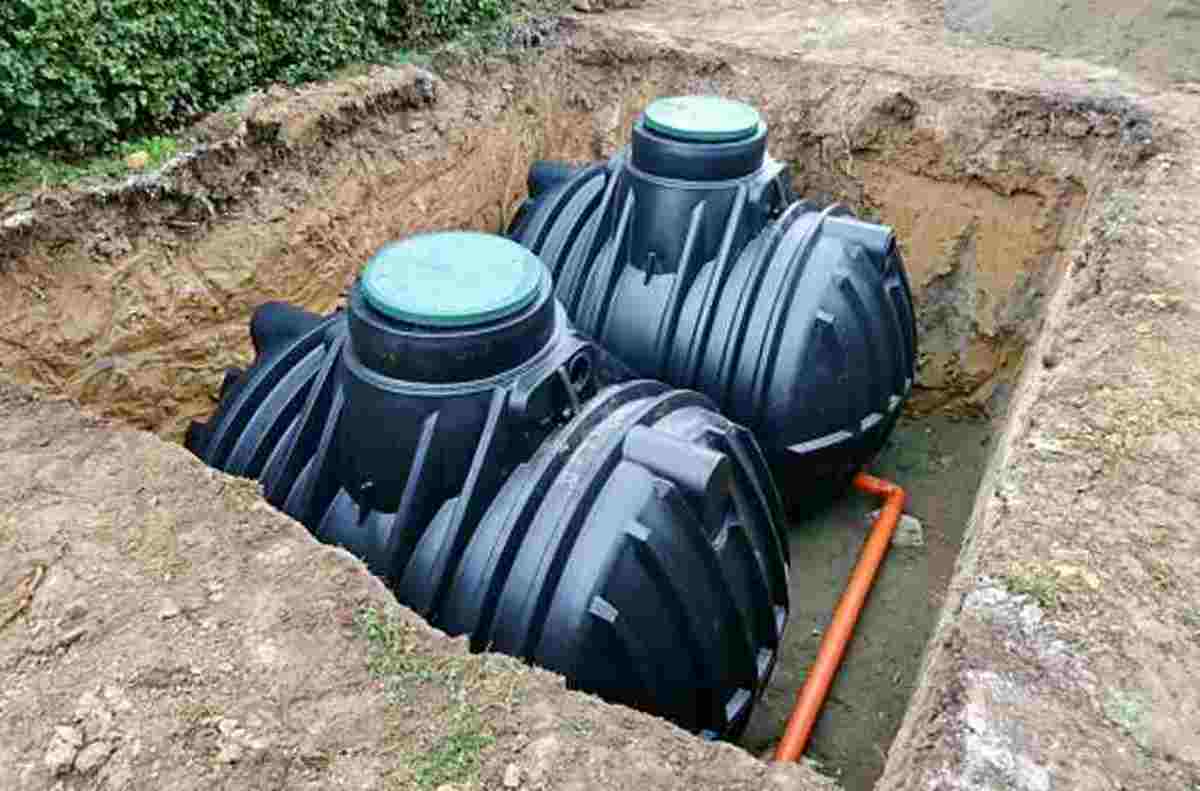
Rainwater can also be stored in underground storage tanks (water sumps) for a few months and used directly for washing, flushing and other domestic purposes. Industries, multistoried buildings, various offices, etc., can implement this cost-effective method as they depend mostly on groundwater for their needs.
Harvesting and conserving water is every individual’s duty. Every drop of rainwater is precious – save it. It might be the very drop that will quench your thirst one day. As we know water is a cure for many diseases and rainwater is the purest form of water, it is our prime duty to conserve, save, and harvest rainwater.
“”Courtesty C.P.R. Environmental Education Centre, 1, Eldams Road, Chennai 600 018, www.cpreec.org””
Olympiad is an exam that tests the mental ability of students nationally and internationally. Olympiads are competitive exams performed within a specific academic qualification that provides a platform for students to compete with other students. The primary purpose of these exams is to showcase the hidden talent of students and improve their ability to learn and understand.
The Olympiad is held at the school level, which helps to build the student’s analytical, problem-solving, and logical reasoning abilities. The main reason to conduct these exams is to improve the sight of students towards mathematics, science, and English. Every school prefers organizing the Olympiad to understand its student’s strengths and weaknesses.
It improves the annual academic result of students. After studying for these Olympiads, students gain better knowledge about their strengths and weakness related to their studies. Olympiad is considered one of the most challenging exams at national and international levels. The Difficulty levels of the exam allow students to increase their knowledge of subjects and help enhance their skills. Furthermore, these exams help teachers and parents identify their children’s and student’s growing interest in various fields, like scientists, technologists, leaders, aeronautics, etc., at an early age.
List of the Top Olympiads In India
S.no
Category
Name of Olympiad
Class
Conducting Body
1
Science
InPho (Indian association of physics teachers)�
For secondary school students� only
Indian association of physics teachers
2
Science
NSO (national science Olympiad)
Class 1-12
Science Olympiad foundation
3
Science
INBO (Indian biology Olympiad)
For classes 11 and 12
Home baba center, in collaboration with the Indian association
4
Science
IOAA( International Olympiad and astronomy of physics)
High school� students are eligible for this examination
National Olympiad� committee�
5
Science
IBO (International Biology Olympiad)
All secondary school students are eligible for this exam
NA
6
Science
INCHO( Indian national chemistry Olympiad)
Only for high school students
the Indian association of chemistry teacher
7
Science
INAO (Indian national astronomy Olympiad)
For classes 11 and 12�
Homi Bhabha Center for science educational�
8
Science
IOQJS (Indian Olympiad qualifier in junior science)
For classes 1-10
Indian association of physics teachers�
9
Science
NSEP (National standard examination in physics)��
Students of the class 12 exam�
Indian association of physics teachers�
10
Science
NSEC (National
The students of class 12 are eligible�
Indian association of physics teachers�
11
Science
standard examination in chemistry)
Homi Babha center for science education
12
Science
NSEJS (National standard examination in junior science)
For classes 1-10�
Indian association of physics teachers�
13
Science
NSEB (National standard examination in biology)
Students of class 12� are eligible.�
Association of teachers in biological services�
14
Science
Homi baba Centre for science education�
15
Science
Indian association of physics teachers
16
Mathematics�
The IMO (International Math�s Olympiad)
For classes 1- 12�
Science Olympiad foundation
17
Mathematics�
RMO (Regional Mathematical Olympiad)
For classes 1- 12�
Homi baba Centre for science education�
18
Mathematics�
Mathematics teachers association
19
Mathematics�
INMO (Indian National Mathematical Olympiad)
For classes 1- 12�
Homi baba Centre for science education�
20
Mathematics�
National board of higher mathematics
21
Mathematics�
IOQM (Indian Olympiad qualifier in mathematics)
Only Kendriya Vidyalaya students and Jawahar Navodaya Vidyalaya are eligible.
Homi baba Centre for science education�
22
Mathematics�
PRMO (Pre regional mathematic olympiad)
For classes 8-12
Mathematics teacher association�
23
Mathematics�
Homi baba Centre for science education
24
Mathematics�
IOM (International Olympiad of mathematics)
Only for classes 1-10�
Homi baba Centre for science education�
25
Others
IEO (International English Olympiad)
For classes 1-12�
Science Olympiad foundation�
26
Others
IGKO (International general knowledge Olympiad)
For classes 1-12 and especially for those who have complete knowledge of current affairs�
Science Olympiad foundation�
27
Others
NCO (National cyber Olympiad)
For classes 1-10
Indian institute of technology Kanpur�
28
Others
ICO (International commerce Olympiad)
For classes 11 and 12�
Science Olympiad foundation�
Details of Some Most Common Olympiads
Numerous Olympiads are held nationally and internationally by different organizations. Some of the top Olympiads related to science, mathematics, and other subjects are discussed below:
Science Olympiads
There are various science Olympiads organized by different institutions nationally and internationally. These Olympiads test the students for their knowledge in the field of science. Some of the main Science Olympiads are explained below in brief:
InPho (Indian National Physics Olympiad)
Indian association of physics teachers is responsible for conducting the physics Olympiad annually all over India. It is usually organized in June and July. It is scheduled to select students for the second-stage students of physics. Qualifying for this exam eventually led to the student’s selection for the international physics Olympiad. Students of 11th and 12th classes can participate in the national standard examination in physics. After that, they can understand their ability to reason and problems solving in physics. Some students start their careers right after certifying these exams. This exam is held in two sections. The first section has 180 marks and 50 multiple choice questions; the second has 60 marks and 5 to 6 short answers type questions, with all the questions having equal marks. This exam has 5 stages which are given below:
STAGE 1- National standard examination in physics
STAGE 2 – Indian national physics Olympiad
STAGE 3- Orientation cum selection camp
STAGE 4 – Pre-departure training camp
STAGE 5 – International Physics Olympiad
NSO (national science Olympiad)
NSO (National Science Olympiad) is an exam conducted for the students of classes 1st-12th. It helps students understand their interest in science and its applications. In addition, it helps to take future measures in science, such as scientists, technologists, and information developers. This exam is held in 2 levels. Both levels contain multiple-choice questions. The topmost book to study for the NSO are :
NCERT books which are given by ICSE/CBSE or state board
MTG NSO workbooks
SOF Olympiad trainer
OSDS Olympiad skill development system
Olympiad reasoning book.
INBO (Indian national biology Olympiad)
Indian national biology Olympiad is a national-level biology test set up all over the country every year. It is conducted by the Homi Bhabha Center for Science Education (HBCSE). It is for the students of classes 11th and 12th. Before applying for the national Olympiad, students must qualify for the state-level examination in 15 centers in India. It is considered a competitive exam with a tough syllabus and questions. Many students participate in this exam yearly to get scholarships, rewards, and self-recognition. Science stream students can apply for this examination to check their ability and performance in biology. This examination is considered the prime source to boost students’ confidence and provides knowledge at a greater level. It covers the whole biology syllabus of the 11th and 12th grades. Students are appreciated for their outstanding work by the conductors.
IOAA( international Olympiad and astronomy of physics)
The international Olympiad and astronomy of physics are physics and astronomy exams organized all over the country and internationally. It is scheduled to improve the growing interest of students in astronomy, astrology, physics, etc. It is believed that it Is one of the most pursued fields by young people. The first IOAA Olympiads were held in December 2007 in China Mai, Thailand. However, in 2020 due to the COVID-19 pandemic, the international Olympiad and astronomy of physics were replaced by an online competition. As a result, India acquired 3rdrank in the 15th IOAA competition, and the student won 3 gold and 2 silver medals in the year 2022 international Olympiad and astronomy of physics, originally to be held in KYIV, Ukraine but now shifted to Kutaisi, Georgia because of the war in Ukraine.
IBO (international biology Olympiad)
The International Biology Olympiad is the broadest scoping Olympiad exam, held twice a year in June and July. The students participate in the base-level completion, and after winning, they are qualified to give this international exam. Science stream students are eligible to apply for this exam. Every country selects the best students and sends them to the competition. It is usually done in groups. The first international biology Olympiad was held in Czechoslovakia in 1990, and this competition played a vital role in identifying, encouraging, empowering, and enhancing the knowledge of new brains. Unfortunately, due to the COVID-19 pandemic, the 32nd international biology Olympiad was canceled. The IBO exam contains both theoretical as well as practical components. The theoretical part contains cell biology, anatomy, genetics, ecology, and biosystematics.
INCHO (Indian national chemistry Olympiad)
Indian national chemistry Olympiad is an examination organized for high school students and children who want to pursue chemistry as their career in the future. Therefore, preparing for this Olympiad is helpful. It is celebrated every year and provides plenty of opportunities to the competitors. This exam is held annually and gives a chance to the students to enhance their skills. This exam was organized by the HOMI BHABHA CENTRE with the collaboration of the Indian association of chemistry teachers. The students can appear in this examination after passing the NSEC examination, and 3000 students appear for this exam every year, while INCHO selects only the top 1% among them.
INAO (Indian national astronomy Olympiad)
The HBCSE organizes India’s national astronomy Olympiad. It is organized at the national level in all the schools in India. Students are acknowledged for their ability to solve reason-based and logical problems. Moreover, it is a great exam where students can measure their knowledge in both theoretical and applications of astronomy. The Astronomy Olympiad program contains 5 stages which are given below :
National standard examination in astronomy
Indian national astronomy Olympiad
Orientation cum selection camp in astronomy
Pre-departure training camp
International Olympiad in astronomy
IOQJS (Indian Olympiad qualifier in junior science)
Indian Olympiad qualifier in junior science is considered the first level of the international Olympiad. It is the first stage of the international science Olympiad competition and contains 2 levels for three hours each. It is organized by HBCSE and IAPT every year in January. Many students give this exam to test their ability in the science field by participating in worldwide competitions. This exam covers all the core subjects like physics, chemistry, biology, and mathematics, and the mode of this exam is paper and pen-based. Paper 1 contains multiple choice questions, and the duration is 1 hour. The paper 2nd contains subjective type questions, and the time duration for the second exam is 2 hours, and there is a negative marking of -1 for every incorrect response.
NSEP (National standard examination in physics)
The national standard examination in physics has been performed in India since 1987. The NSEP is organized by the Indian association of physics Teachers (IAPT). It helps in selecting deserving participants for the international exam. Many students show up for this exam every year. The Indian people prioritize education very much and encourage the students to participate in this competition to enhance their skills. This examination was conducted first time in 1987 and is the toughest examination conducted by the IAPT.
NSEC (National standard examination in chemistry)
The Homi Bhabha center for science education (HBCSE) organizes the national standard chemistry examination every year in November nationally and is considered the base examination for international selection. Through this exam, many students show interest in chemistry and get rewarded with many opportunities. The NSEC examination contains multiple-choice questions, and Chemistry is the main topic of this examination.
NSEJS (National standard examination in junior science
The national standard examination in junior science is a science Olympiad organized annually throughout India. It is considered the most challenging exam in the science field. Indian association of physics Teachers ( IAPT) organize this Olympiad. This test provides numerous opportunities for the students to enhance their competitive skills, and the students in the 10thclass are eligible for this examination. This exam was held in 1st time in 1987 and contained two stages.
Stage 1- Every year, 80000 students appear in this examination worldwide, and only 300 students got selected for this examination. The qualified students preparing for the stage 2nd
Stage 2- This is more difficult than stage 1st. The top 35 participants were invited to a two-week program, and after that, 6 students were selected to represent India at the international level.
NSEB ( National standard examination in biology)
The national standard examination in biology is an entrance examination for the selection of international participants. It is set up to encourage students to better performance in biology, and it occurs every year all over the country. This exam was conducted by the Homi Bhabha center with the collaboration of the association of teachers in biological services. This Olympiad is held for students of classes 1st-12th, and the knowledge of biology is significant for this test. The primary language of this paper is English, and the duration is 2 hours and contains 80 questions.
Mathematics Olympiads
For Mathematics lovers, various Olympiads are held by different organizations at national and international levels. Students can participate in these Olympiads and get recognition and a chance to perform internationally. Some of the main Mathematics Olympiads are discussed below:
The IMO (International Math’s Olympiad)
The international math’s Olympiad is hosted by the Science Olympiad foundation. The IMO is an exam that increases students’ ability towards mathematical and analytical understanding and potential. It is organized for 1st-12th class students annually at different places. IMO helps the students to understand their subject properly and solve their mathematical problems at different zonal levels. Moreover, IMO provides rewards and scholarships to deserving students and increases their morale. Mathematics is one of the scoring subjects which require a deep understanding of the concepts, and IMO is one of the great platforms by which students are trained to clear their basic concepts. This exam is conducted at the national and international level and allows the student to deal with numbers, patterns, shapes, measurements, data handling, decimals, algebra and algorithms, and many more.
RMO (Regional Mathematical Olympiad)
After qualifying for the local exam, the students are promoted to the regional stage. It is a mathematical Olympiad organized by the Homi Bhabha center for science and education. Remo is conducted annually under the surveillance of coordinators. It is a descriptive-based test containing 6 questions students need to solve in 3 hours. The answer sheets and the rough paper are also provided to the students. It is conducted by HBSCE to select the top 30 students in classes 8th, 9th, and 10th and the top 6 from class 11th for the next stage exam. The HBCSR declares the result of this examination on its official website, and the students who qualify for the PRMO exam are eligible for the RMO.
INMO (Indian National Mathematical Olympiad)
Indian national mathematical Olympiad is held annually all over the country. Before appearing in the INMO, the competitor should have individually qualified in the PRMO and RMO. It is the most famous entrance exam among students in school. It is the last stage for the examination of the international mathematical Olympiad. After certifying, you will directly be able to give the international exam. The HomiBabha center for science education organized this competition. This exam contains six questions, and the allotted time is 4 hours. Many students appeared in this exam, but only 30 deserving students get selection. After getting selected for this exam, the student receives training in the IMOTC (international mathematical Olympiad training camp). The six best students are picked to represent India at the international level.
IOQM (Indian Olympiad qualifier in mathematics)
The Indian qualifier in mathematics is organized by the mathematical teachers association of India (MTIA), HBSCE and IAPT mutually. After qualifying for this exam, the students can appear in the international mathematics Olympiad. The Indian Olympiad qualifier in mathematics is a 3-hour examination and is an integer-type exam in which the answer is in a single or two-digit number. This examination occurs in 5 different stages, which are given below:
Indian Olympiad qualifier in mathematics
Indian national mathematics Olympiad
Orientation cum selection camps
Pre-departure camp
International Olympiad
PRMO (Pre-regional Mathematical Olympiad)
The PRMO is a mathematical Olympiad set up at the regional level for students of any age group. It is the base round to certify who will qualify for the national examination. The PRMO exam contains 6 stages organized by MTA (mathematical teachers association), and the Homi Bhabha center organizes the remaining rounds. It eliminates the less deserving competitors and provides a path for the remaining students. This exam is usually organized in August every year but has been delayed in 2020 due to COVID-19 Pandemic. The stages of the exam are given below:
Stage1- The pre-regional Mathematics Olympiad
Stage 2- Regional Mathematics Olympiad
Stage 3- Indian national mathematics Olympiad
Stage 4- International mathematics Olympiad training camp
Stage 5 – Pre-departure camp
Stage 6- International Mathematics Olympiad
IOM (International Olympiad of mathematics)
The International Olympiad of mathematics is the Olympiad exam of math’s that occurs after every two years. It takes place nationally and internationally. Every time the students of 1st-12th grade give base-level exams. After qualifying for the local level exams, participants are promoted to the international level. It helps the students to increase their ability in reasoning-based questions. It is the Top international mathematics competition for grade 10th students. The first examination of the international mathematics Olympiad was held in Romania with seven countries and expanded over 100 countries and 5 continents. It is a test that observes the knowledge of the student in mathematics. The international Olympiad of mathematics help student builds a solid foundation in mathematics.
Other Olympiads
Other than Science and Mathematics, various other Olympiads are organized for different subjects. Some of the Olympiads of English, Commerce, and General knowledge are discussed below:
IEO (International English Olympiad)
IEO is an English Olympiad to measure the knowledge and ability of students in English. It is organized for students of 1st-12th classes. It is an essential exam for students who have passed their English test at the national level. Every year this place provides students a platform to understand their abilities and challenge them at state, national, and international levels. Students get participation according to their previous results and their current linguistic knowledge. Participants should have a complete understanding of their syllabus. Suitable qualification in English helps them acknowledge the more significant matters as it opens their minds to another level. The IEO is a 2-level examination- level1 and level 2. The students who qualify for the second-level exam include:
TOP 5% of the student from every class who appear for the 1st level exam
State-wise, the top 25 rank holder
At least 10 students from schools who score above 50% qualifying exam.
IGKO (International general knowledge Olympiad)
The international general knowledge Olympiad is organized by the science Olympiad foundation annually. This exam is conducted to check a single student’s overall general knowledge and assertion. It is set up at national and international levels, and worthy students are acknowledged with rewards and scholarships. This Olympiad is only for students who stay updated with current affairs and are aware of the world’s current circumstances. This Olympiad can check the student’s knowledge in different fields like science and technology, environment, life skill, plant and animals, language and literature, sports, and politics.
NCO (National cyber Olympiad)
The national cyber Olympiad is organized annually, and students of any age group can participate. It provides a platform for the students to understand their abilities and gain knowledge in their respective fields. It is held in Indian states and union territories and promotes the importance of computer information and cyber ethics. On the occasion of the national cyber day, many institutes provide these free exams and offer prizes and certificates to the leading competitor. For example, the Indian institute of technology Kanpur organized a cyber Olympiad, which was successfully held three times in the years 2009, 2011, and 2016. This test played a vital role in boosting students’ knowledge, encouraging them to participate in academics, and increasing their logical capacity and scientific thinking.
ICO (International commerce Olympiad)
This exam is held annually for the 11th and 12th grades. The formation of the ICO was done in 2016. After that, it is organized annually by the science Olympiad foundation and the institute of company secretary mutually. It organizes at the national level for school students. The SOF is an organization that manages scientists and famous personalities to promote science, mathematics, and computer education among students. ICO exam is especially for commerce stream students in which the students deal with the different aspects of business entities, transactions, and trade and commerce.
Benefits of Olympiads
The Olympiad exam is essential because it helps improve students’ audacity in a particular subject. In addition, it is a competitive exam that increases students’ knowledge and analytical skills.
It shows a path to the children for following their respective fields or interest. Therefore, numerous benefits can help students to create their future in their desired subjects. Furthermore, these Olympiads increase the confidence of participants and allow them to represent themselves in a better way.
Participants should take close surveillance of the topics and matters they are dealing with, and this provides clarity to their concepts. In addition, the Olympiad exam helps participants to improve their reasoning ability.
Since students have many chances to appear in these exams, it also helps improve their confidence and helps them learn from their mistakes. Olympiad exams occur every year to deal with the strength and weaknesses of the students.
Participants can measure their ability in the areas where they need improvement, while continuous assessment on a particular subject helps clear out all the queries.
Olympiads are considered one of the most critical exams held every year, providing many opportunities to students for a better and bright future.
FAQS related to Olympiad
How many questions are asked in Olympiad?
Ans:- Every exam varies from the other, while in most exams, the total duration is 60 minutes, and 35 objective-based questions are asked.
What is the minimum age limit for Olympiad?
Ans:- The minimum age limit to appear in Olympiad is 12 years.
What are the qualifying marks in Olympiad?
Ans:- Every school sends almost ten best students to Olympiad, and each team has to score 50% to qualify for the international exam.
What is the use of Olympiad certificates?
Ans:- It helps to enhance students’ academic performance, and it also grasps opportunities for future preparations.
CID (Full form of CID is crime investigation department) is a branch of the police force investigating crime cases in the country. The idea of a Criminal investigation department was obtained from the British police forces. It is all over the country against crime and corruption. The prime motive of crime branch investigation is to play a significant role in crime operations and make the country’s crime and corruption accessible. It is not directly working under the Indian government but works as a substantial tier in removing crime. It also makes awareness among people toward the growing crime in the country.
Formation of CID
The first crime branch investigation department was formed in 1902 by the British government. The chairman- Andrew Fraser, created it on the recommendation of the Indian police commission. Later the crime branch was introduced in India in Lucknow. The formation was presented with the statue of rai bahadur pandit shambhu Nath, the king police medalist and the “ Father of CID.” After some time, CID was distributed into two parts- CID and crime branch( CB- CID)
CID consists of several branches:
CB- CID
Anti-narcotics cell
Anti-terrorism wing
Anti-human trafficking and missing person cell
Fingerprint bureau
Bank frauds
Dog squads
Human rights department
Purpose of CID
The primary purpose of CID is to investigate criminal cases and catch the criminal. The CID is available in almost all the cities in the country, and they work tirelessly on the growing crime and fraud in India. In situations like rape, fraud, kidnapping, etc., the CID team often works with the state police to catch the criminal and gather all the proof and evidence.
Eligibility Criteria of CID
The crime investigation department provides jobs to many people, but they have some criteria during the recruitment of the position, such as:
The candidate must be an Indian citizen.
The candidate must be a sub-inspector or inspector of CID and a diplomat or graduate from an affiliated university.
The minimum qualification for the base post is 12th passed.
The candidate must have cleared the annual civil service examination by the union service commission.
The candidate has a good understanding of logical reasoning.
Functions of CID
CID works independently, and the government has no control over the execution of its work. However, it has several parts which are to be recognized:
The CID collects proof and evidence regarding professional criminal cases.
They control the inquiry and take the vital measure required for the cases.
They also track the movement of foreign criminals with the help of state police.
They investigate the department included in the criminal matters.
They organize squads and special teams and regularly track ongoing and new cases.
Power of CID
In this continuously changing era, people are constantly meeting with the changes caused by nature. Some people have an evil sharp mind and use it for these crime works. Criminology is considered one of the growing concerns among the people of the country. People come up with new ideas of crime and fraud, such as murder, rape, theft, kidnapping, etc. Nowadays, cybercrime is also increasing in the environment. Technology is a good source of information, but some people use it to harm others. The following powers are provided to CID to tackle all criminals:
CID can investigate cases that the government entrusts.
It enquires the people, and everyone has to cooperate with the investigation.
They have squads and special teams that work for several information agencies and can collect information from these places without interruption.
CID also works for the police department as the source agent.
CID provides confidential information to the higher authorities.
FAQs
Who investigates crime in India?
Ans:- The crimes are investigated by India’s criminal investigation department (CID).
Who leads crime investigations?
Ans:- Crime investigators at CID lead criminal investigations.
How many types of CID are there?
Ans:- There are two types of CID – CID and CB- CID.
What is the full form of CID?
Ans:- CID full form is Crime Investigation Department.
Common-wealth games are also known as friendly games and international sports events among commonwealth nations’ athletes. The first commonwealth event was organized in 1930 and canceled the event of 1942 and 1946 due to the second world war. In 2018 this game became the 1st multi-global sports event, and an equal number of men and women participated in this game. The inter-empire champions inspired the commonwealth games, organized every four years, and this game and Marks Robinson was the founder of the British empire games, which were first organized in Hamilton, Canada, in 1930. After some time, the commonwealth paraplegic and commonwealth youth games were added to the British empire games.
The commonwealth games federation is responsible for controlling the sports programs. Selection for the host cities and this federation is also responsible for performing certain traditions like hosting the commonwealth games flag, acquired opening and closing ceremony, and king’s baton relay in which more than 4,500 athletes competed in 25 sports events, including Olympic and Paralympic sports the athlete was acquired first, second and third position were awarded by gold, silver and bronze medal respectively.
There are 72 commonwealth games associations divided into six regions: Africa, America, the Caribbean, Europe, Asia, and Oceania.
Only six-nation participated in every commonwealth game: AUSTRALIA, Canada, New Zealand, Scotland, and Wales. However, they have each won at least 1 gold medal in all commonwealth games. The most recent common wealth game was organized in Birmingham in 2022 from 28th July to 8th August.
Commonwealth games federation
The commonwealth games are made up of a three elements
International federation– The international coalition is a governing body for organized sports at the international level
Commonwealth games association – It performs the same functions as the national Olympic committee. It regulates the commonwealth game movement within each country.
Organizing committee – The organizing committee for the commonwealth games is a temporary committee responsible for every commonwealth game. After submitting the final report to GCF, this committee was dissolved after every commonwealth game.
The king’s baton relay
The king’s baton relay was organized worldwide before the beginning of the commonwealth games. This relay tradition started at Buckingham palace in Lon. Through his relay, the baton carries the message of the head of the Commonwealth, currently king Charles 3rd, at the game’s opening ceremony. The final relay runner returns the baton to the king of his representatives. This relay is similar to the Olympic torch relay. This relay was introduced in Cardiff’s British empire commonwealth games and included the 1998 games. The 2018 gold coast relay was the longest in the Commonwealth’s history, which covers more than 230,000 km over 388 days.
Ceremonies of the commonwealth games
Opening ceremony
This event was organized just before the commonwealth games. The host country starts this ceremony by hosting its national flag and performing its national anthem. The commonwealth game federation flag, the flag of the last hosting nation, and the next hosting nation’s flag are also hosted during the opening ceremony. Next, the hosting country represents its culture by performing various dances, singing, music, and theater. Representation after this ceremony is the parade of athletes organized into the stadium grouped by nation and the nation alphabetically or continental-wise with the host country’s athlete. Finally, the king’s baton is brought into the stadium.
Closing ceremony
This ceremony is performed after all the sporting events. At the closing ceremony, the president of GCF and the organizing committee give their speeches about the conduct of the games, and then the games are officially closed. Then, the mayor of the hosting country transferred the GCF flag to the president of the GCF and then passed the flag to the mayor of the next hosting country. After that, the next hosting nation also displays its tradition by performing dances, kinds of music, singing, etc. Finally, the GCF president gives a trophy to the athlete who competes with particular distinction and is honored in performance and complete support to their team.
Medal presentation
After every event, the medal ceremony is performed. Finally, the first, second, and third winners stand on the top of the three tired rostrums to be awarded their medals.
Anthem of the commonwealth games
The official anthem of the commonwealth games was the ‘GOD SAVE THE KING. ‘ This is not played in some official events, medal ceremonies, or before matches in team events.
Commonwealth sports
There are 23 sports and ten para-sports approved by the commonwealth games federation.
Sports
Types
Year
Archery
Core
1982- 2010
Athletic
Core
1930 – present
Para athletic
Core
1994- 2002
Badminton
Core
1966- present
Basketball
Core
2006, 2018
Boxing
Core
1930- present
Cricket
Core
1998- 2022
Cycling Mountain
Core
2002- 2016, 2014- present
Cycling para track
Core
2014 present
Cycling road
Core
1938 present
Cycling track
Core
1934 –present
Diving
Core
1930 – present
Hockey
Core
1998- present
Gymnastics
Core
1978- 1990
Gynstamatic rhythmic
Core
1978-90, 1998- 2006
Judo
Core
1990, 2002, 2014, 2022
Lawn bowls
Core
1930-1962
Wrestling
Core
1930-86, 1994-2002, 2010-2022
Weightlifting
core
1950- present
Volleyball
Optional
2018- present
Triathlon
Core
2002-06, 2014- present
Para table tennis
Optional
2002- present
Table tennis
Core
2002- prese
nt
Para-swimming
Core
2002- present
Swimming
Core
1030- present
Squash
Core
1998- present
Shooting
Core
1998- present
Rugby sevens
Core
1998- present
Powerlifting
Core
2002- present
Netball
Core
1998- present
Para lawn balls
Core
1994-2002, 2014- present
Financial implications of the commonwealth games
In Delhi, the total estimate was around US$ $11 billion in 2010. According to business today magazine, the budget of the Indian Olympic Association of 2003 was US$ 250 million. It estimated the total budget was around US$1.8 billion there and generated More than 1800 jobs in each event.
Significant competitors at the Commonwealth games
Name
Sports
Medals
Sitivenirebuke
Hammer throw, shot put
Two medals
Greg
relaunch
Shorter from New Zealand
12 medals
Robert weale
Lawn bowler
Two gold, three silver, and one bronze
Marcus Stephen
Weightlifter
Seven gold medal
Ian Thorpe
Swimmer
Ten gold medal
Chad le Clos
Swimmer of South Africa
18 medals
Jason Statham
English actor
–
Faqs
Which country withdrew Commonwealth in 2016 but re-admitted in 2022
Ans:- The Maldives withdrew Commonwealth in 2016 but now re-admitted in 2022
Murali Sree Shankar has won silver in which sports
Ans:- He-won a silver medal long jump and gave India its second medal in athletics at the Commonwealth 2022
what is the name of the founder of the commonwealth games?
Ans:- Melville marks Robinson as the founder of this game. In 1930 he started the British empire games, later known as the commonwealth games.
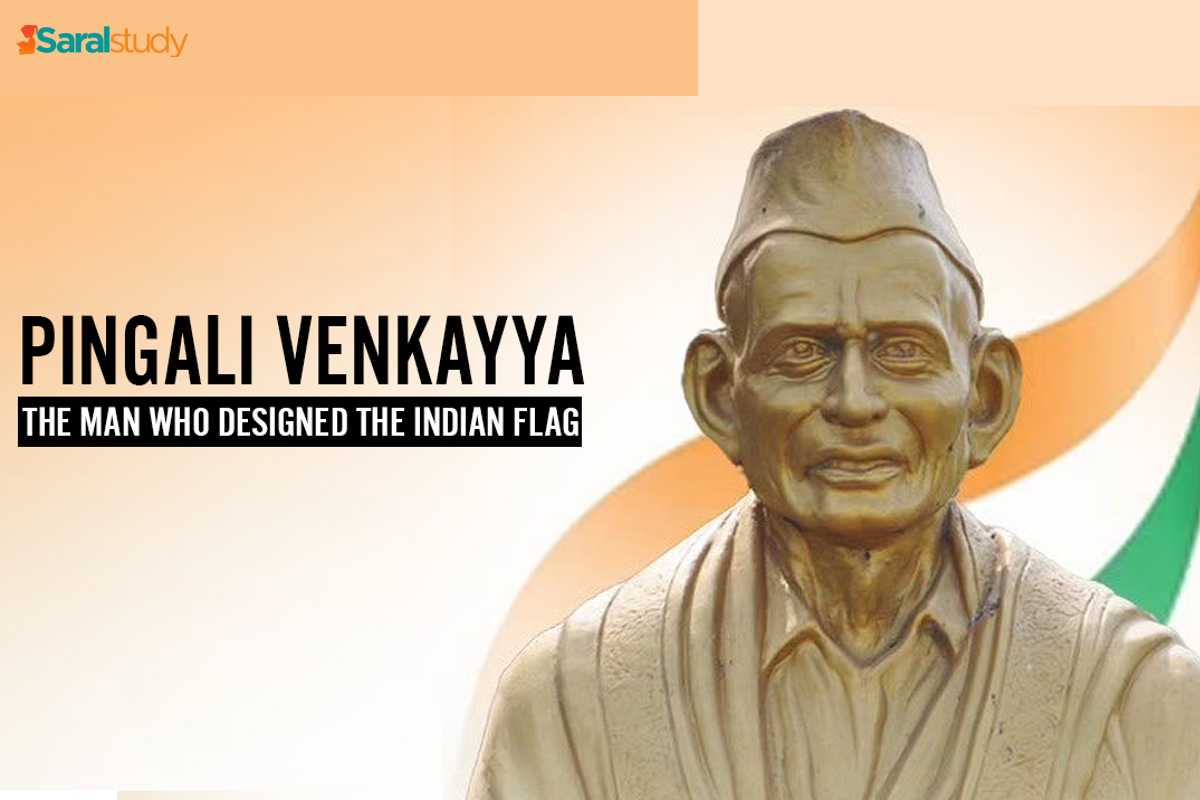
Pingali venkayya is a freedom fighter and the creator of the Indian national flag. The whole design of the national flag is based on his idea. The flag honored today is based on the three democratic pillars of the country- the saffron color depicts strength and sacrifice, and the white color depicts peace. In contrast, the green color is prosperity, and the spinning wheel in the center is the creation of his thinking.
FULL NAME
Pingali venkaya
BIRTH
2nd August 1876
DEATH
4th July 1936
NATIONALITY
Indian
FAMOUS WORK
Designing of the Indian national flag
PARENTS
Hanumantharay, Venkatratnamma
The early life of Pingali Venkaya
Pingalavenkaya was born on 2nd august 1876 in bhatlapenumaru. His family was the typical Telugubrahman family. He started his primary education at the Hindu high school in machilipatnam, and later, he moved to Krishna-Yarlagadda and Pedakallepalli. After completing his primary education, he was transferred to the British Indian army at 19 and worked for it for an extended period. Then during the Anglo- bower war, he was posted to South Africa, where he met Mahatma Gandhi and got influenced by him. He became a disciple of Gandhi and prepared a heartedly bond with him. He was highly inspired by Gandhi’s principles and maintained a good relationship with him for almost 50 years. He was always a patriotic person toward his country, and while the war, he felt that India should create its flag to honor its existence.
The career of Pingali Venkaya
Pingala Venkakya started his career after completing his diploma in geology from the very respected university of madras- madras presidency college. Later completing the certificate, he worked as a lecturer at Andhra national college, machilipatnam, from 1911 – 1944. He was considered the expert in the mining of diamonds and known as ‘diamond venkaya.’ He also contributed to the mining of mica research in Nellore from 1924 – 1944. He was great linguistic ability along with Tamil. He can also speak Urdu, English, and Japanese. He often researched varied cotton crops and was very fluent in his work.
The national flag – Pingali Venkaya’s contribution
Once Pingali Venkaya was working as a soldier in the war, they had to salute the union jack and bow their heads in front of their flags. At that moment, he felt that India should create its flag so that people could honor it and greet it. Being a patriot, he often felt terrible about India not having its flag, and then he started designing the structure of the Indian flag. He wants to create a design that binds India’s attraction centers. Later started planning it first. Firstly only used red and green colors, but after some time, he added white. He also wrote a book named ‘ A national flag for India, which he discussed with Gandhi during the congress union in 1921. Gandhi approved the book and the idea of forming an Indian flag. In 1931, the red color was exchanged with saffron which indicates the sacrifice and strength of the country and its people. Later in the same year, the new flag was represented to the whole world as the figure of India. With time many changes were made in the creation of the flag. In 1947, a committee was set up by Rajendra Prasad to maintain the modification of natives on the flag; after that, and replaced the spinning wheel with ancient Ashoka chakra. Every color and symbol has some meaning which shows the prosperity of India- the saffron color indicates strength and sacrifice, the green color the wealth, and the white color defines peace. In contrast, the Ashoka chakra represents the universal resolution.
Death and legacy of Pingali venakya
Venakya was an obedient disciple of Mahatma Gandhi and always lived according to his principles. He died in 1963. He lived a pretty poor lifestyle;e and died in poverty. His existence was honored after his death as his statue was formed in the 31 prominent icon statues of Andhra Pradesh. Later a postage stamp feature was featured, keeping him. The Andhra Pradesh government even awarded him in 2012, but he was not available to take the award then.
CONCLUSION
Pingalivenkaya was one the most of the most famous freedom fighters. Still, after the country’s independence, people have forgotten his contribution to the formation of the Indian flag, which symbolizes the unity and priority of the country. He gave a long span of his life in the independence of India and worked tirelessly, which should be appreciated. His contribution to the country will always be remembered till the end of time.
FAQs
How many flags did Pingali venkaya design?
Ans:- He prepared a booklet of national flags containing 24 different types of banners.
Why was venkaya called japan venkaya?
Ans:- In 1913, Pinagli gave a full-length in Japanese in bapatla, Andhra Pradesh; since then, he has been popularly known as japan Venkaya.
Who was the wife of Pingali venkaya?
Ans:- Pingali was married to a woman named Rukmini.
What did Pengali Venkaya do for India?
Ans:- Pingali venkayya made 25 drafts of the Indian flag and helped form the current national flag.
ED (full form of ED is enforcement directorate) is an organization that investigates offenses of money laundering and violation of foreign exchange laws. This organization works under the department of revenue and the ministry of finance, and the financial investigation agency strictly follow the constitution and laws of India.
The enforcement directorate originated on 1st May 1956 and formed the enforcement unit for controlling the foreign exchange under FERA, 1947. The headquarter was situated in Delhi and headed by the legal service officer, and it had two branches 1st branch was located in Bombay, and 2nd one was in Calcutta. In 1957, the unit’s name changed to an enforcement directorate, and a new branch was opened in Madras. In 1960, administrative control was transferred from the Department of Economic Affairs to the revenue department. After some time, FERA 1947 was replaced by FERA 1973.
Overview of enforcement directorate
Abbreviation
ED
Agency Overview
Formed
Legal personality
1st May 1956Government agency
Operation jurisdiction
India
Governing body
Government of India
Headquarter
Delhi
Minister responsible
Nirmalasitaraman, ministry of finance
Parent agency
Department of revenue, ministry of finance
Website
Enforcementdirectorate.gov.in
Structure of enforcement directorate
The enforcement directorate headquarters is situated in Delhi and is headed by directors of enforcement. There are five branches in Mumbai, Chennai, Kolkata, Chandigarh, and Delhi. Also, there are 1tenzonal offices that come under the deputy director and 11 subzonal headed by the assistant directorate. This office contains IRS (Indian revenue services), IPS(Indian police services), IAS(Indian administrative service ), income tax officers, excise officers, customs officers, and police. In November 2021, the Indian president passed two ordinances allowing the union to extend the enforcement directorate tenure and the central bureau of investigation from two to five years.
Functions of the enforcement directorate
There are many functions, including the following acts:
COFEPOSA- COFEPOSA 1974 increases the power of cases of prevention detention according to a contravention of FEMA
FEMA( FOREIGN EXCHANGE MANAGEMENT ACT),1999 – It is a civil law used to consolidate the laws related to external trade and payments and maintain the foreign exchange markets in India enforcement directorate is responsible for the investigation into contraventions of foreign exchange laws
PMLA (PREVENTION OF MONEY LAUNDERING ACT)2002– Financial action task force is responsible for establishing PMLA ED. It is responsible for executing the provisions of PMLA and conducting investigations, and tracing the assets used in crime.
Enforcement directorate jurisdiction
The enforcement directorate can take action against any person because the FEMA and PMLA apply all over the country. The FEMA cases go under the civil court, and the PMLA cases lie under the criminal court. Suppose any civil servant commits any offense, so they come under the jurisdiction of this agency. ED can not take any action Suo Motu, which means if any person commits any crime so the first police will investigate, and after that enforcement directorate and then the proceeding will start for the violation of FEMA and PMLA act.
According to the supreme court judgment, there is an allegation of misuse of PMLA by the government and enforcement directorate, and the allegations are:
Lack of transparency and clarity
The enforcement case information report (ECIR) is equal to the FIR and considered only as internal documents given to the accused. As a result, there is no clarity in ED investigation cases, which are also used for ordinary crimes. In July 2022, according to the union government, only 23 people were convicted in 5,422 cases which were registered under the PMLA. The convection rate was less than 0.5% 17 years after the law was passed in the Modi’ssecond term. The ED cases have been raised six times, leading to the accusation by the opposition party stating that the BJP government misused the enforcement directorate.
FAQS
What are the duties of the enforcement directorate?
Ans:- The duties of Ethe D are to investigate the offenses of money laundering in violation of foreign exchange laws.
What type of body is the enforcement directorate
Ans:- Ed is a lion enforcement agency of the government of India responsible for enforcing economic laws in fighting financial crimes.
How to inform the enforcement directorate?
Ans:- Before complaining, the ED has to complain to any other agency of the people, after which the enforcement directorate investigates the case and identifies the accused PMLA comprises 157 offenses related to money laundering.
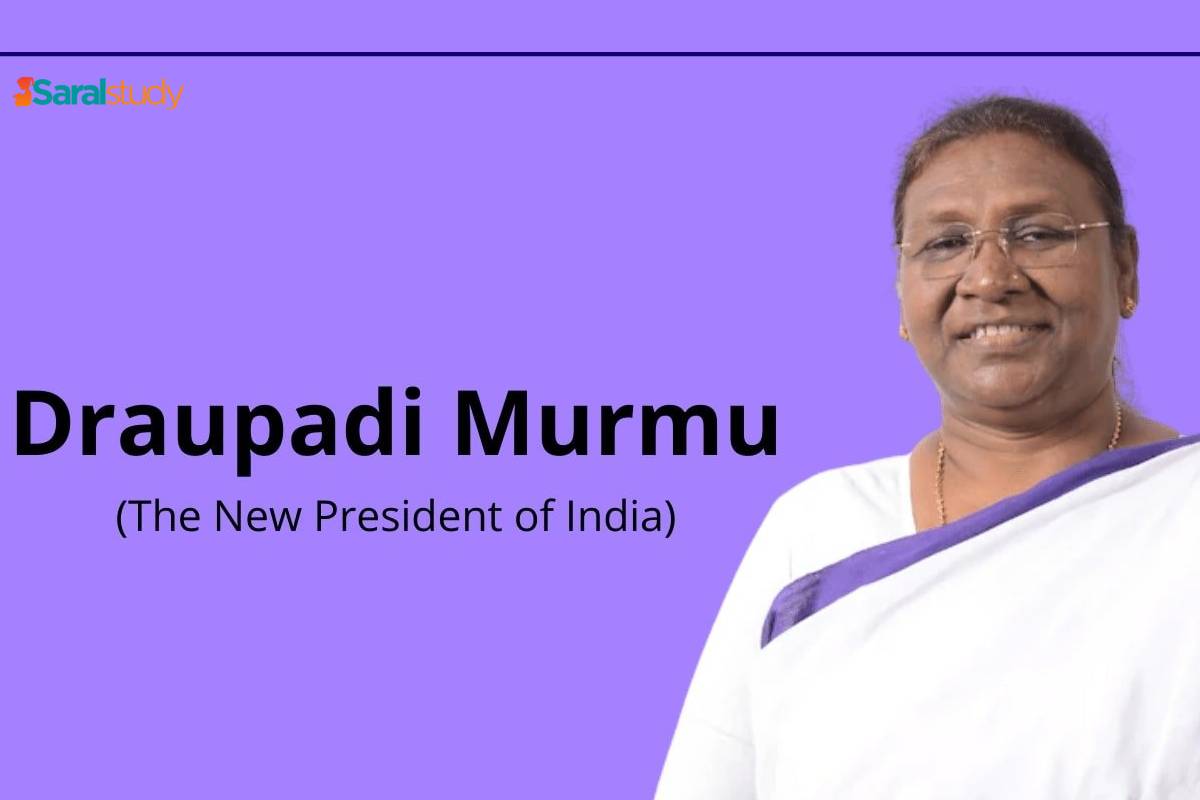
Draupadi Murmur is an Indian politician and the 15th president of India. She belonged to the tribal community and was the second woman who held office after Pratibha Patel. She also served as the ninth governor of the Jharkhand government. She assumed office on 25 July 2022 after Ram Nath Govind; she also had many positions in the cabinet of Odisha between the years 2000-2004. In her early life, she worked as a clerk in the irrigation and power department and then as a teacher in Rairangpur.
Overview of Draupadi Murmu
Born
20th June 1958
Uparbeda
Mayurbhanj, Odisha
Political party
Bhartiya Janata party
Spouse
Shyamcharanmurmu
Children
1
Occupation
Politician
Profession
Teacher
Residence
Rashtrapati Bhawan
Personal life of Draupadimurmu
She was born on 20 June 1958 in a santhali family in uperbeda village Odisha .her father’s name was Biranchi Narayan, and she was a farmer by profession. Also, her father and grandfather was the village head known as sarpanch. Her family name was Putitutu, and her school teacher changed her name to Draupadi. She studied in a local primary school in Uparbeda village in her initial year. After that, for higher studies, she moved to Bhubaneshwar, completed her secondary education at a girls’ high school, and graduated with a B.A from Rama Devi Women’s College. In 1980 she married Shyamacharan murmur. He was a professional banker with whom she had two sons and one daughter. Between 2009-2015, her husband, two sons, mother, and brother died in 7 years.
The early career of Draupadi Murmu
Draupadi murmur worked as a junior assistant from 1979- 1983 in the irrigation department. She also served as a teacher and taught Hindi, geography, and Odia at Sri Aurobindo integral education and research center in Rairangpur. She joined the Bharatiya Janata party after being elected as a councillor of the Rairangpur panchayat in 1997 as an independent candidate from a reserved seat for women.
Political carrier of Draupadi Murmu
After being elected as a councilor of the Rai rangpur Nagar Panchayat in 1997, she joined Bharatiya Janata Party, and she won 2000 seats in Odisha legislative assembly elections from Rairangpur assembly and served two years from 2000-2009 during BJP and BJD government. She served as a minister of state with independent charges for transportation and commerce from 6th march 2002 to 6 august 2002. In 2007 she won the award for best MLA of the Odisha legislative assembly.
Pathalgadi Movement
The Chota Nagpur tenancy act of 1908 and the Santhal Parganas tenancy act of 1949 safeguard the rights of tribal communities on their lands by limiting land transactions to be done only between the tribal society. In 2016-2017, amendments sought by raghubar das ministry would give the tribal the right to let the government use their land for commercial use and get the tribal land on lease. These bills were sent to Draupadimurmu for approval after the Jharkhand legislative assembly approved them. However, the tribal communities were against the bill, and protests broke out throughout the states. Once the demonstration turned violent, the police had to be defused the situation, which even caused the death of a tribal man. Murmuwas criticized for her soft stance on the police’s aggression against tribal. After receiving 192 memoranda against the amendments in the bills on 24 May 2017, Draupadimurmu relented and returned the bill to the assembly with the memorandum she had received. Later the bills were withdrawn in August.
Religion and land bills
In 2017, Draupadimurmu approved the freedom of religion bill i017 and amended the land acquisition bill in 2013. the freedom of religion bill makes converting people’s religion by coercion or force illegal and punishable by law. Moreover, if the victim is a minor or a female and belongs to a scheduled caste and tribe, the jail sentences increase to 4 years, along with fines levied. Furthermore, it became mandatory for people who converted voluntarily to inform the deputy commissioner and give them full details about the situation.
Presidential campaign
The Bhartiya Janta party government recommends murmurs to the president of India, and the opposition party suggests Yashwant Sinha. Before the election, Murmu took various steps and visited multiple states for support. On 21 July 2022, Murmu won with a clear majority in the 2022 elections, defeated YashwantSinha by 676,803 votes, became the president of India, and held office on 25 July 2022.
The political position of the president
She supports BJP for making Hindi a national language and BJP on the Indian agriculture act, known as farm laws.
Faqs
When was Draupadi Murmu born?
Ans:- She was born on 20 July 1958 in uparbeda village of mayurbhanj district in Odisha in a sathalifamily.
Draupadi Murmu served as governor of which state?
Ans:- Draupadi murmur served as a governor of Jharkhand, took oath on 18 May 2015, and became the first woman governor of Jharkhand.
Draupadi murmu was awarded which awards for the best MLA by Odisha legislative assembly?
Ans:- She received the Nilkanth award in the year 2007 for the best MLA.
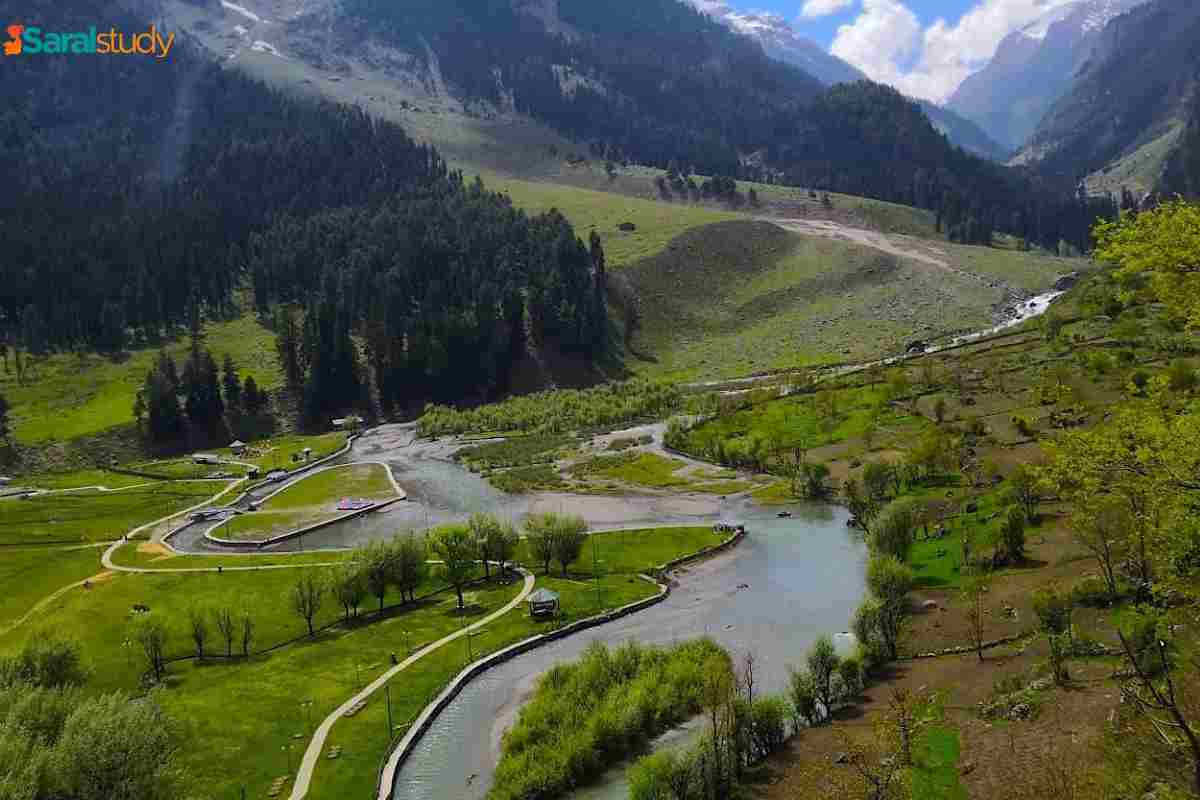
Jammu and Kashmir is the newly developed union territory governed by the Indian government. It is the most restful place in some recent areas, and while is divided into two parts- Kashmir division and Jammu division. In 2019, the government of India appealed for a recognized place in Jammu and Kashmir. Later, the reorganization bill was passed for the state, and it transformed into a union state with two territories. It is located in the topmost part of India and is considered the heaven of the country. It is full of beautiful places and sightseeing and is regarded as the most visited place annually. Jammu and Kashmir are full of pilgrimage places, forests, gardens, lakes, and the most pious Mata Vishno Devi Mandir in Katra. Seas, lakes, and valleys have their fan base. It also has varied religious places that define this place’s late culture and history. India, Pakistan, and China bounded Jammu and Kashmir. Most of the Area of Jammu and Kashmir is mountainous and less populated compared to the plains, while most of the locals live in the southwest region, which is considered plains. The Area around the valley is highly fertile and are very famous tourist place. Kashmir is renowned for its apples, and it produces many fruits every year, which are exported all over India. –
FORMATION
31 October 2019
Capital
Srinagar (May-Oct), Jammu (Nov-Apr)
CHIEF MINISTER
Q mufti
POLITICAL SUBDIVISIONS
22 districts
COMMON LANGUAGE
Kashmiri, Dogri, balti, etc
LEGISLATURE
Jammu and Kashmir legislature
Religions
Hinduism, Islam, Sikhism, Buddhism, Jainism
Total Area of the union territory
85,885 km per sq
CAPITAL OF KASHMIR
The capital of Jammu and Kashmir is divided into seasons. The summer capital is Srinagar, while the winter capital is Jammu. Srinagar is located on the river bank of Jhelum in the valley of Kashmir. Srinagar is the capital from May to October, and Jammu is the capital from November to April. The idea of two capital; was established by the Dogra king to acknowledge the brutal winter. Therefore, it has to practice for a very long time. Srinagar is considered the most beautiful place in the whole union territory as it has fantastic tourist places which attract thousands of tourists. Srinagar is located in the centermost part, which is now the center of all administration activities. Still, in winter, due to heavy snowfall, it’s not possible to administer from this place. That’s why one more capital was created for hassle-free governance. Srinagar is surrounded by many lakes and holy places such as temples and mosques. It produces many silks, carpets, clothes, and wood carvings. Jammu is the capital for easy access to work during winter. It is the most visited place by Hindu people due to the temples all over the Area. It is the largest city of Jammu and Kashmir and shares its boundaries with samba.
HISTORY of J&K
Jammu and Kashmir are situated in the northern part of India and significantly impact the country’s history. It is a union territory formed on 31 October 2019 after getting recognition from the Indian government. A reorganization bill was issued to convert this state into an independent union territory. Before the formation, Jammu and Kashmir were ruled by princes and considered a princely state ruled by Hari Singh from 1846-1947. This is created after the first Anglo-Sikh war. In 1947, at the time of the partition, Jammu and Kashmir chose to join one of the countries, but the king decided to stay as a secular country. But during the war of India between a kistan, on 26 October 1947, Maharaja Hari Singh signed an accession agreement regarding the collaboration with India. The history of Jammu and Kashmir is believed to be quite ancient since kings and princes have always ruled it. The first king to judge Jammu and Kashmir was Gulab Singh(1846-1857), And that is why today, Jammu and Kashmir are part of India. After that Indian government provided a recognizable status to Jammu and Kashmir by providing Article 370, an independent flag, constitutional rights, etc. Later, on 6 August 2019, the central government of India removed article 370 and all the special services and amended the right of the people and the place. Then two union territories of Jammu and Kashmir were divided into three Jammu division, the Kashmir division, and Ladakh. Jammu and Kashmir still enjoy many services the government provides, but still, some restrictions on the people’s freedom. The west and north parts of Jammu and Kashmir are in the control of Pakistan, while the rest is under the Indian government.
ART AND CULTURE
As it is a place known for its immense beauty and duplicate, the art and culture are also very famous all over the country. It is also a rich and cultural place for many decades. Its heritage and traditions are different and composed of many religions—people in Jammu and Kashmir like simplicity about their art. There are thousands of temples and mosques located here, which are considered artistic places due to the art craved on the walls of these places. People in Jammu and Kashmir are obsessed with their dance, music, cuisine, clothes, carpet weaving, carving, etc. Kashmiri culture is quite famous among the people living near the Chenab and deficient regions. The composite culture of Kashmir is also called Kashmiri. This place is renowned for its boat, houseboats, poetry, and handmade material. Kashmir is an art of nature, and the people living inside it are the artists of many artistic pieces. Creativity and tradition comprise and form beautiful materials such as basalt painting, pashmina, qalamdan, chain stitch, Phool Kari, namdha, Kashmiri shawls, and many more. Most of the art in Jammu and Kashmir are introduced by the Persia rulers. Hence, this place is a blend of many diverse cultures and customs and plays a significant role in the history of India.
Occupation
Agriculture is the primary occupation of the people of Jammu and Kashmir. The state is a leading producer of fruits all over the country because of soil fertility. The people of Jammu and Kashmir produce apples, apricots, cherries, and nuts like almonds and walnuts. It is the state in the country famous for saffron. Many farmers are involved in sericulture as well as other income. People are also engaged in tourism because there are many beautiful; destinations in J&K.
Tourist places in Jammu and Kashmir
AmarMahal- It is a famous place in Jammu and Kashmir and has had historical importance since the 19th century. It is the mahal of doghra Maharaj. This palace serves as a museum that allows you to experience its famous courts of maharajas, their chambers, etc.
Bahu fort – This fort is a historical temple of Jammu and is also known as the oldest fortification of Jammu. It was built by raja bahulocahn around 3,000 years ago. This temple is the home of the goddess kali, and it is a famous picnic spot for tourists,
Vaishno Devi temple is the most important place for all Hindus, located in the Katra, 12km above the cave shrine. There is good connectivity to this famous temple through Jammu to Katra train.
Dogra art museum– Dogra art museum is famous for the bronze, armaments, and Pahari miniature paintings. This museum is situated in Mubarak mandi on the bank of the lower river.
LIFESTYLE OF KASHMIR
Kashmiri is considered the paradise on the planet. A typical blend of Persian, Western, and Central Asia makes this place worth living in. Kashmir is home to many people of different cultures and religions living together and sharing a diverse environment. Mughals and Sikhs left their accent on the land of Jammu and Kashmir. The different cultures of all religions showed the diversity of the place. It carries the Dogra tradition derived from Punjab. Tribal communities such as Gujjars, bhakarwals, nomads, etc., move from one place to another to collect pastures from varied regions. All the residents of this place lead a simple life, and there is less reliance on the urban areas. People prefer living in rural areas as they are less cumbersome and provide actual earnings. People like to live slowly by enjoying every small occasion of their life. All the festivals celebrated shoes as a diversion from a superficial and tedious lifestyle. Navaratri, eid ul Fitr, and eid ul Zaha make you feel thrilled about the customs of all the people.
FAMOUS FOOD OF KASHMIR
Rogan josh– Is the signature dish of Kashmir, famous all over the place. It is a lamb made with fried onions, various spices, and curd, cooked on low flame for hours and served with rice or roti. This is the best savory dish among all nonvegetarian people.
Dum Olav- It is a dish that resembles duma loo but differently and uniquely. The real authentic taste of this Kashmiri dish is all over the tongue of the people of Kashmir. The potatoes are cooked in curd, spices, and ginger garlic paste with a lot of oil. The smell of this dish is mesmerizing, and usually served with roti and naan.
Modurpulao- It is a rice dish but not the usual way. It is one of the most loved dishes among children, made with saffron, milk, sugar, ghee, cardamom, and dry fruits. Rice is cooked with all the ingredients at low flame and then served with all the dry fruits and saffron. The yellow color comes from saffron, makes the dish look beautiful, and is considered the essential ingredient in the making.
Goshtaba– The food culture of Kashmir comprises nonvegetarian dishes more than veg ones because most of the population of Kashmir likes meat, and goshtaba is another delicacy made of beef. This dish is the oldest and has been cooked for an extended period. It is the meatballs cooked with curd, browned rice, and a lot of spices and served with roti and naan.
Kava-it is the famous hot drink consumed in Jammu, Kashmir, and all over the country. It Is green tea made with walnut, almond, and herbal spices. It is taken hot with a pinch of sugar, while some people prefer milk in it. It is the most famous traditional food liked by all the people.
The climate of Jammu and Kashmir
Mountains surround the Kashmir valley, that’s moderate and has a subtropical climate. The average summer temperature of Jammu is about 77-degree Fahrenheit to 100 degrees Fdegreeseit. Still, inner, its temperature about 41 degrees Fahrenheit, and the summer temperature are of Kashmir is about 57 degrees Fahrenheit to 86 degrees Fahrenheit. In winter, it’s about 21-degree eremite to 50 degrees Fahrenheit. The annual rainfall of Kashmir is 693mm, while in Jammu, it is about 1238mm. Q
RIVERS OF JAMMU AND KASHMIR
Many rivers flow in Jammu and Kashmir, but some essential rivers are given below:
Jhelum– it is commonly known as the veth the RI. It contains a muddy stream and is a famous tourist attraction. This river originates from the Anantnag district, and its length is about 203km. It flows towards ulnar lake. After passing Srinagar, it flows to Pakistan. It is the primary source of electricity generation in Kashmir valley.
Indus– Indus originates from the Sindh rivers and gar Rivers, located in Mysore lake Tibet. It is the longest river in the subcontinent, and its length is about 3500km and flows through Jammu and Kashmir Indus rivers and has various tributaries like Gilgit, gum. Kabila and many more, this river is famous for river rafting purposes.
Chenab– Chenab means the merging of two Himalayan rivers from the river Chenab and the two Himalayan rivers are Chandra river and Bhaga river. This river enters Jammu and Kashmir in padder at kistawar and flows towards Radwan. The Ranbir and Pratap canal takeoff from the Chenab river.
Tawi– originated from Kailash Kund. After flowing through Chennai and udhampur, it flows toward Jammu, joins Chenab in Ranbir Singh port, and then enters Pakistan. The famous hydropower project was constructed on the river Tawi.
Famous Personalities of Jammu and Kashmir
PANDIT SHIV KUMAR SHARMA– He is a famous santoor player from Kashmir and composed music for some Bollywood movies. In 1995 he gave his public performance with renowned flute player pandit Hari prasad Chourasia.
Bashrat’s peer was a journalist, scriptwriter, author, and political commentator. Recently, he entered Bollywood as a scriptwriter for the film ‘Haider.’
Parvez Rasool– He was an Indian cricketer who played as an all-rounder. Hee is the first cricketer of Jammu and Kashmir who takes part in the IPL.
AdarshSein- He was the 29th Indian chief justice, served in the high court of J&K, and was appointed supreme court judge in 1991 and national human rights commissioner in 2003.
FAMOUS FESTIVALS OF JAMMU AND KASHMIR
Jammu and Kashmir is a place full of diverse traditions s as festivals. Each festival carries a lot of joy and celebration. Each capital celebrates various occasions as per the religions. Like the diversity of this place, the festivals are fascinating as well. Some of the most famous festivals of Jammu and Kashmir are as follows:
Galdannachos- this festival is celebrated among Jammu and Kashmir’s Tibetan and Buddhist populations. It is celebrated in remembrance of Tibet monk JE Tsongkhapa on their birth anniversary. The 5th day of golden nachos is celebrated as the new year of Tibetans. It is the most prominent festival in Leh Ladakh.
Hemis festival- it is the most I festival celebrated in Jammu and Kashmir. It is celebrated every 12 years in the belief that it will bring wealth and property to the people. People arrive at Hemis monastery to celebrate it.
Tulip festival- The Tulip festival in Jammu and Kashmir is a tulip celebration at the Indira Gandhi memorial. A fair is organized for tourists and local people to showcase the immense beauty of 50+ varieties of tulips. In spring, all the flowers bloom and define the gorgeous sight of Jammu and Kashmir.
Losar said the king postponed his war due to winter and considered it the new year. It is celebrated for almost 15 days and is the most famous festivals of Jammu and Kashmir.
Sindhudarshan festival – It is celebrated in respect of the Sindhu river, which defines unity and togetherness. It is marked by collaborative groups and monks who worships on the river bank and do bonfire at night.
Costumes of Jammu and Kashmir
Jammu and Kashmir are placed with different diversities, but the attires are similar, which is hardly noticeable. Girls and boys both were persons, and the boys wore pathani suits. Pheran is a graceful and stunning dress that the girls of Kashmir valley wear. It has long and loses sleeves with heavy embroidery. It is a blend of Iranian and Indian clothing cultures. Hindu women also wear this pheran dress and tie it at the waist, made of folded material called lihung. Pathani suit- men wear this dress, and most Srinagar people wear his type of dress. Muslim men also wore a turban and a pashmina shawl, the symbol of royalty or richness.
Flora and fauna
The state contains a rich amount of flora and fauna. Jammu, the throne bush-type plants are mostly found, and the maple, horse, chestnuts, silver, fir, etc., are located at low altitudes. Many herbal trees like birch, rhododendrons, chinar, dense deodars, walnut, In willow, almond, and cider are also found in large sizes. In the hilly region, a large variety of fauna is present, like leopards, cheetahs, and dear, wild sheep, brown musk, and muskrat was also found the variety of birds, snakes, bats, lizards, and frogs are also found in this region.
Demographics Of Jammu and Kashmir
The population of Jammu and Kashmir is around 12,267,013 as per census of 2011. The numbers of sex ratio are about 1000 males on 889 females. The people of scheduled castes is 924,485, and 1,275,106 are scheduled tribes. Regarding religion, Jammu and Kashmir predominantly contain Muslims (96.41%) and a small Hindu(2.45%). Only 808 Hindupandits remain in Kashmir valley after the forced displacement by militants.
LANGUAGE OF JAMMU AND KASHMIR
The official language is urdu; however, the local people of Kashmir mostly speak the Kashmiri language, and Dogri is expressed in the plain Area of Jammu as well as part of the hills. Kashmiri is an Indo-Aryan language, also known as Koshur. According to the official language bill introduced in Lok Sabha in 2020 declarer that the official language of Jammu and Kashmir is given below: Official languages are – Dogri, Urdu, Hindi, and English, as the official languages used for official purposes, and also the English language used for administrative and legislative purposes.
Important lakes and sanctuaries
Dal lake –It is the most famous and picturesque lake of Jammu and Kashmir, and it is also known as the Srinagar or the jewel in Kashmir’s crown. This lake is renowned for houseboats and shikara rides.
Wulnar lake– the wulnar lake is the largest freshwater lake in Asia and is situated near Srinagar. It is famous for its excellent and enthusiastic boating, different water sports, and beautiful surrounding. It is one of the 26 wetlands the Jhelum river needs, and its beauty attracts tourists.
Nigeen lake is situated near Srinagar in the foothills of zabarwan mountain, one of the most famous lakes in Jammu and Kashmir. It is surrounded by the Shankaracharya hills from the south and Hariprahat hills from the west. This lake is renowned for thrilling activities like motorbiking, sailing ETC.
The aru wildlife sanctuary is located near the Pahalgam district and covers a large area of more than 500 sq. km. approx. The height of this park is 5,400m. this sanctuary contains many endangered species like musk dear, brown bears, and snow leopards. These species were conserved by the state as well as c central government.
Achabal wildlife sanctuary– it is situated in Srinagar and is one of the famous wildlife sanctuaries of Kashmir covers an area of 50 hectares. It is renowned for unique faunas like snow leopards, barking deer, rhesus macaque, brown bears, jackal, and Himalayan Marmot. The Kashmiri Stag, an endangered species, and a few species of wild animals,s are also found here.
Surinsar mansard wildlife sanctuary – is situated in Jammu and contains different varieties f flora and fauna varieties. September to march is the best time to visit here. It has species of birds, and the main birds are green pigeons, blue rock pigeons, red jungle fowl, peafowl, and Rufus turtle dove.
Government and administration
Jammu and Kashmir contain two divisions and 20 districts. Jammu and Kashmir have executive, judiciary, and legislative branches. Srinagar is the summer capital, while Jammu is the winter capital . The Lieutenant Governor is the head of Jammu and Kashmir, appointed by the president, and the chief minister is the head of government and council of ministers. The role of the chief minister is to assist the Lieutenant Governor in the exercise of functions in matters under the jurisdiction o the legislative assembly.
The economy of Jammu and Kashmir
Agriculture is the main occupation of Jammu and Kashmir, and the climate is suitable for horticulture and floriculture. Horticulture is the primary source of the rural economy of Jammu and Kashmir. It employs a large population of Jammu and Kashmir. Apples of Jammu and Kashmir are famous all over the country. Jammu and Kashmir produce many crops like rice, millet, corn, wheat, pulses, and saffron which are rarely made Indian sub-continent. Jammu and Kashmir contain principal horticulture, floriculture, handlooms, tourism, and minerals industries. Tourism plays a vital role in the economy of J&K.
Conclusion
Jammu and Kashmir is India’s oldest civilization, containing many different religions, traditions, and cultures, and always on top of the food district places and d most important festivals. It covers a small area of India but significantly impacts its prosperity worldwide. Looking closely, you will feel how beauty and harmony have covered herself in these places. People are simplistic and nature lovers; they worship nature like a god as they think nature is the most worth praying thing in the universe.
Faqs
1-which article ensures the special status of J&K?
Ans:- Article 370 under part 12 of the constitution of India provides a temporary provision for the special autonomous status.
2-the head of the J&K was regurgitated as a governor previously called
Ans:- The head of the J&K governor called, Sadr-i-Riya, sat
3- which operation is launched on the international border by the border security force?
Ans:- The border security forces launched the operation security along 2a 00km long international border.
The Reserve Bank of India controls all monetary policies related to the national currency. The reserve Bank of India’s primary functions is issuing currency, sustaining monetary stability in India, operating the currency, and maintaining the country’s credit system. The Reserve Bank of India is a vital member of the International Monetary Fund or IMF. As of October 2021, the Governor of RBI is Mr. Shakti Kanta Das. He is the 25th RBI governor. The Reserve Bank of India, or RBI, was originally privately owned. It has been under the ownership of the Ministry of Finance since its nationalization in 1949.
About RBI
The strategies formulated by Dr. BR Ambedkar in his book named “The Problem of The Rupee it’s Origin and Solution” served as a base for the concept of The Reserve Bank of India. This central banking institution was established based on the suggestions of the Royal Commission on Indian currency and finance in 1926. This Commission was also known as the Hilton Young Commission. The Reserve Bank of India became a member Bank of the Asian clearing union after it was nationalized in 1949. RBI regulates the credit and currency system in India. Maintaining the confidence of the public in the system, protecting the interest of the depositors, and offering cost-effective banking services like cooperative banking and commercial banking to the people are the chief objectives of the Reserve Bank of India.
The Timeline of RBI
1934- The British enacted the Reserve Bank of India Act.
1935- The Reserve Bank of India was established on April 1st in Calcutta.
1937- The Reserve Bank of India was permanently moved to Mumbai.
1949- After being held by stakeholders, the bank got nationalized after independence.
The Preamble of the RBI
The preamble of RBI explains its primary functions:
“To regulate the issue of Bank notes and keeping of reserves to secure monitor stability in India and generally to operate the currency and credit system of the country to its advantage.”
Functions of the Reserve Bank of India
Being a central bank, RBI serves a significant role in regulating the country’s financial transactions. Some of them are:
The monetary authority
Implements monetary policies
Monitors the monetary policy
Ensuring price stability while considering the economic growth of the country
Regulator and administrator of the financial system
The RBI determines the comprehensive parameters of banking operations.
Methods such as license issuing, liquidity of assets, Bank mergers, branch expansion, etc., are responsible for the functioning of the country’s banking and financial system.
Managing foreign exchange
Forex reserves of India a managed by the RBI.
It is responsible for maintaining the value of the Rupee outside the country.
It Aids foreign trade payments.
Issuer of Currency
Providing the public with sufficient supplier currency notes and coins is the Reserve Bank of India’s responsibility.
The RBI also takes care of the quality of currency notes and coins.
RBI is in charge of showing an exchange of currency and coins.
Destroying the currency and coins unsuitable for circulation is also RBI’s job.
The Reserve Bank of India’s development role
In a developing country like India, RBI has to perform various developmental functions in addition to routine operations. These functions are country-specific and change accordingly. Some of these functions are:
RBI organizes promotional functions that support National objectives and encourage rural and agricultural economic development.
RBI will regularly issue directives to commercial banks to lend loans to small-scale industrial units.
Composition of RBI
RBI has vitally essential responsibilities. To make the functioning smooth, it is composed of the following:
The Central Board of directors controls the Reserve Bank of India. The directors are appointed for 4 years by the government of India.
The Central Board consists of a Governor, 4 Deputy Governors, 2 Finance Ministry Representatives, and 4 Directors representing local boards headquartered in Mumbai, Kolkata, Chennai, and New Delhi.
The executive head of the Reserve Bank of India is the Governer
The first governor of RBI was Sir Osborne Smith, and the first Indian Governor of RBI was Mr.CD Deshmukh.
Mr. KJ Udeshi was the first woman Deputy Governor of RBI.
Mr. Manmohan Singh was the only Prime Minister who had also been the Governor of the RBI.
The current Governor of RBI is Mr. Shaktikanta Das.
Rates and Ratios of RBI
As of January 15th, 2015, the rates are:
Bank rate of 8.75%
Repo rate 7.5 0%
The reverse repo rate is 6.75%
The cash reserve ratio of 4%
Statutory liquidity ratio 21.5 0%
Base rate 10.00% to 10.25%
Savings deposit rate of 4%
Term deposit rate of 8% to 9%
FAQ
Q1. How many reserve banks are there in India?
Ans. India has only one Reserve Bank or Central Bank, the Reserve Bank of India.
Q2. What does the RBI logo mean?
Ans. The RBI logo reminds and symbolizes the government’s status and links to the country. Its independence and separation of the RBI from the government. RBI wanted the seal to have something Indian in the design and emphasize the government status of the bank but not too closely.
Q3. What animal is the RBI logo?
Ans. The official emblem of The Reserve Bank of India is a palm tree and a tiger, which in many ways is your vestige of the colonial past and derived from the seal of the East India Company and mohar, which depicted a lion and a palm tree. Due to tigers being widespread in the country during that time, they hold cultural significance like no other species.
Q4. Who owns RBI?
Ans. originally, it was privately owned, but since independence, it has been nationalized in 1949.
Q5. How many branches of RBI are there in India?
Ans. RBI has four zonal offices and 19 regional offices.
Bihar is a state which is one of the old civilizations of India. You won’t find the unmatchable history of Bihar anywhere. It is a prosperous, ageing, marvellous place full of traditions and customs. It is a virtuous land where many kings and scholars were born, such as the tenth Sikh guru Govind Singh, the founder of Buddhism and Jainism, and early great kings. It also provided a prominent place for Hindus and Sikhs in society.
Introduction to Bihar
Bihar is as old as civilisation itself. It is a place of unmatched history that cannot be found anywhere in the world. It is a glorious, colourful and ancient land. Here lived the mythological king Janaka of Videha, Vedic period Rishi Yajnavalkya, Ramayan famed Maharshi Valmiki, Kautilya (Chanakya or Vishnugupta), the author of Arthashastra, the first treatise on modern economics. It is the place where the religious leader, the founders of Jainism (Bhagwan Mahavir), Buddhism (Bhagwan Budhha) and the tenth Sikh Guru Govind Singh were born.
This had been the land where great kings like Chandragupta Maurya, Ashoka and Sher Sah ruled. Here in the land flourished the ancient seats of learning – Nalanda and Vikramshila. `Ahimsa’ was propagated from here and Gandhiji launched his civil disobedience movement against the mighty British. This is the land of great Madhubani paintings, enchanting Sujuni work, Bhagalpuri silks and plenty of delicious Lichies and Mangoes. Bihar has a rich religious history and people from all around the world come to visit this state.
A Brief Info about Bihar
Country
India
Formation
22-Mar-12
Statehood
26-Jan-50
Capital
Patna
District
38 administrative districts
Body
Government of Bihar
Governor
Phagu Chauhan
Chief minister
Nitish Kumar
Deputy chief minister
Samrat Chaudhary
Legislature
Bicameral
Parliamentary constituency
243 seats of Rajya sabha and 40 seats of Lok sabha
Mammal
Gaur
Bird
Sparrow
Flower
Kanchan
First Chief Minister
Shri Krishna Sinha alias Shri Krishna Babu (1946–61)
Sex Ratio
918 females per 1000 males
Urbanisation Rate
11.3% (Second lowest in India)
Capital
Patna
Main Language
Hindi, Bhojpuri, Maithili, Magadhi
Best Time To Visit
October To March
Capital of Bihar – Patna
The capital of Bihar is Patna, whose ancient name was Patliputra. Patna is one of the earliest states of the country, located on the southern coast of Bihar, which has been evidence of the up and downfalls of great kings since its establishment. It is the state’s biggest city. Bihar is considered a religious state by the Sikh community because their tenth Guru, Govind Singh, was born here. Patna produces many farmers all over the country and is also viewed as an agriculture hub.
However, Tourists admire Bihar more because of the birth of the Buddhist and Jainism religion and Bodh Gaya. Patna is famous as it is the hometown of many great scholars and the largest producer of leather in the whole country. The old part of Bihar, founded by Ajatashtru, the king of Magadh, in the 5th century BCE, is later named Patna. In early times, Patna was considered the center of culture and the axis of religion. The certain lag in the economy of Bihar is the education system and the employment opportunities in the state, which result in, people migrating to another state for better earnings and living.
Land of Bihar
The area of Bihar covers around 94,163 km per sq. of geographical land in India. The state is divided into northern and southern Bihar, separated by the holy river Ganga. It is considered that the north of Bihar is surrounded by Himalayan planes while the south of Bihar is by West Bengal. Many rivers, such as Kosi, Mahanadi, and Gandhak, float through the Himalayan range and later merge into the Ganga River. The soil form of both the parts varied from each other as the northern part’s soil is chalky and sandy in texture due to the disaster caused by the earthquake in the Himalayan region.
In contrast, the southern part’s soil is alluvial, which is efficient for agriculture. The climate of Bihar is hot and humid, and densely populated. The forests of Bihar are considered deciduous and cover a large area; the most growing species of Sal is found here.
Map Of Bihar
Ancient History Of Bihar
In ancient times this nation was ruled by great kings like Chandra Gupt Maurya, Khillji Dynasty, Shershah, and Ashoka. It covers a small area of India but shows a significant and incredible impact on its worldwide prosperity. And has a central focal point for its ancient history all over the country. Moreover, this state is surrounded by the country’s holiest river, Ganga. The people of Bihar are classified according to their religion and social caste, as it is one of the biggest populated states in the country. Tourists recognize the state as their prevailing opinion because of its diversified nature, which provides visitors with a wide range of interests. Bihar has occupied a significant position in the prior history of India.
A Glimpse of the Different Dynasty of Bihar
Bihar is considered the most ancient state in the country. It is ruled by great leaders and kings who have provided an excellent infrastructure. It was established by the Magadha king named Brihadratha by extending the role of human advancement, later known as Bihar. It was the main focus centre of great and powerful kings who provided a scope of culture and promotion. ‘Bihar’ originated from ‘Viharas,’ where Buddhist monks rest after their journey. Bihar was ruled by many kings and had a mesmerizing past. Rulers who ruled Bihar earlier are as follows:
Stone age period (2500-1500 B.C.)
Mahajanapadas
Anga kingdom
Vajji kingdom
Licchavi kingdom
Jnatrika clan
Magadha kingdom
Brihadrath dynasty
Haryana dynasty
Shishunaga dynasty
Nanda dynasty
Medieval History of Bihar
After the failure of the Gupta dynasty in the 7th and 8th centuries by middle Eastern invaders, Bihar was not the focal point of cultural and political prosperity in India. States were dispersed and ruled by pal kings. Later Bakhtiar khilji captured Bihar, and the Delhi sultanate couldn’t show any power over the state. Bihar worked under the provincial administration, but after the arrival of Mughal emperor Akbar, he captured Bihar and provided better infrastructure and administration. However, as time passed, the Mughals left India, and the attorney of Bihar was given to the Nawab of Bengal.
Modern History of Bihar
During 1757-65, the rule of Britishers in Bengal affected the political life of Bihar. The Jharkhand, Pargana, Santhal and Singhbum remained away from political; parties. At this time, Lord Clive visited Patna in 1765, and the Diwani of Bengal, Bihar, and Orissa was given to the East India Company by the Mughal emperor Shah Alam. However, Bihar people never accepted British rule; there were many revolts against the Britishers like
The Santhal Pragana revolt of 1781-82
The how agitation of 1820-21
Kol agitation 1831-33.
And most crucial revolt of 1857 which led by Kanwar Singh.
This was the beginning of the national freedom movement in India, and the result of these revolts was the formation of the Brahma-samaj in 1868. Also, the Bihar Times publication was established in 1894 and demanded a separate state. In 1910 Satchidanand Sinha was selected as a member of the central legislative council, and In December 1911, Bihar and Orissa were separated from Bengal. In 1921 Bihar state was first formed, and Orissa was ceded away from Bihar on 1 April 1936 under the Government of India Act 1935 as an independent state. Initially, four provinces and 17 districts were further changed to 5 provinces and 33 districts during 1972-73. When the Jharkhand was formed on 14 November 2000, the state again changed its boundaries.
Art and Culture of Bihar
For several centuries Bihar has been recognized all over the world. Art and culture are one of the most recognized things in Bihar. The artistic sense is old but unique. Madhubani art, a unique painting style, is the most famous piece of work and is considered historic. The customs and rituals varied according to the region and religion. Bihar is a traditional place comprising art, culture, food, dance, and many more. Bihar is one of the country’s most cultural and prestigious states, and the accents and traditions are still the same.
The folk dance and songs are the lights of the occasions in Bihar. Every festival and event is celebrated with full of joy. People of different religions live together and maintain peace. The culture is restored with varied food items, arts, etc. The official language of Bihar is Hindi, but the most common languages are Bhojpuri, Maithili, Angika, etc. At the same time, the state’s elite class speaks Urdu, which is considered the second official language. Bihar has a wide range of artistic classifications in the field of art.
The Bastu Kala and palm leaf paintings seem popular in different regions of Bihar, while the wall painting has a different environmental craze. Bihar has the most significant silk production all over the world. People set up small businesses and created art of their own, and some of the most popular handworks are canvas, Manjusha art, embroidery, and bangle making.
During the period of the Pala king, the paintings received high patronage. There are different primary colours, like colours used for the images like red, green, black, and white, and secondary colours like violet, yellow, light rose, red, grey, ETC. the wall paintings were found very famous here. Lauria, Nandangarh, Laurita-Areraj, Rampurba, and Bashadh are renowned arts of the Ashokan period.
Madhubani Painting (The Mithila Painting):
Though the style is very old yet, it came into prominence recent soon. It is a sort of Folk Art to which the womenfolk had contributed much. Initially drawn on walls and later on, on paper, canvas etc. though the paintings do not augur a great style yet, are rich in imagination, feelings and natural colours. Broadly divided into two categories of paintings, Madhubani paintings concentrate on religious themes as well as decorative ones on the walls of the houses. Nature with her full array of flora and fauna works as the background of the paintings.
Madhubani Art further extended to various ‘Alpanas’ locally known as ‘Aripan Art’. These artistic works are done by the womenfolk in hands on the ground either in front of the houses or in the Courtyards with the help of powdered rice, water and colours. The beautiful designs of different dimensions cover men, animals, birds, flowers, trees, fruits, Gods, Goddesses, Lamps and many other items used in Tantrism. The triangular and rectangular ‘Alpanas’ of Girls worshipping Goddess Tulsi, symbolic ones for the general welfare and marriage etc. are distinctive features of the Art.
Lifestyle of Bihar
The Biharis are very orthodox and strictly follow traditional Indian values. The people are staunch believers of the religion they follow and hence worship gods and goddesses. They follow a very simple lifestyle and live every moment of their lives wholeheartedly. Bihar is known for silk, the majority of people are spotted in silk attires.
Prominent Places and Tourist Attractions In Bihar
Bihar is always on top of the list of tourists as it is full of historical places and monuments, and watching these places is worth witnessing. The most famous places in Bihar are:
Bodh Gaya
Mahabodhi temple
Mangla Gauri shrine
Vishnupad temple
Chinese temple and monastery
Royal Bhutan Monastery
Barabar caves
Muchalinda lake
Dungeshwari temple
Bodhi tree
Royal Bhutan Monastery
Thai temple and monastery
Nalanda
Munger
Ucheswarnath
Pirpahar
Kharagpur lake
Sita Kund
Shri Krishna Vatika
Goenka shivalaya
Kali Pahari
Vaishali
Padre ki haveli
Qila house
There are still so many places that need to be mentioned that define the vast diversity. For example, Bihar is famous for its different cultures, and thousands of people come to Bihar every year to enjoy the immense and beautiful view of art and tradition.
Famous Food in Bihar
When we take a comprehensive look at the culture of India, the first thing that blows our minds is food. Indian food is one of the most famous and favourable things worldwide. The spices, dishes, taste, and love of making food cannot be found easily. Every traditional word carries a different story; it is the centre of ancient civilization and the land of varied crops. It has been famous for the most authentic texture of food for almost 2000 years, so the nutrition of Bihar has its divine history. Some of the most famous dishes of Bihar are as follows:
Litti chokha
Sattu
Kadhi Badi
Chan Chung
Dal pitha
Mutton kebabs
Chicken korma
Malpua
Khaja
Parwal ki mithai
Makhana kheer
Laung Latika
Naivedyam
Chandrakant
Kesar peda
Thekua
Climate of Bihar
Bihar has extreme weather. The summers become unbearable because the climate is scorching. Rainfall is rarely seen, resulting in hot and dry dust throughout the month. Lack of rain leads to drought and crop failure, which results in the shortage of food grains, while sometimes the rainfall becomes significantly higher and leads to flood. During the monsoon, the environment is pleasant and peaceful, and during the winter, the temperature falls.
Dresses of Bihar
A large population that resides in Bihar prefers to wear a sari over Salwar-Kameez. For men, the garments include traditional dhoti, Kurta and sandals made of wood. Some men also wear turbans which, according to them, is a symbol of their status. Though the men have been influenced by western clothes, women of Bihar still stick to their traditional outfits.
Kinds of Homes in Bihar
The weather conditions here are extreme and hence the people in Bihar pay extra attention to the houses when they are built. They make sure that the base is strong and enough outlets are provided for ventilation. The villages, though, still rely on fodder to construct the roofs.
Famous Personalities of Bihar
Dr. Rajendra Prasad- He was born in the Siwan district of Bihar. He was the first president of democratic India. He was a significant leader of Bihar. He served in many educational institutions as a teacher. Bharat Ratna was awarded him in 1962.
Jayprakash Narayan- Born in Champaran, he was popularly known as J.P. or Lok Nayak. He was a famous social reformer and an Independent activist. He was awarded Bharat Ratna in 1999. In addition, the Patna airport is named after him.
Nitish Kumar- He was born in Bakhtirapur, Bihar. He graduated from NIT, Patna university, with B.TECH, and he has been the chief minister of Bihar since February 2015. He was famous for constructing activities and developing Bihar. He was the best chief minister of Bihar, according to CNN-IBN.
Manoj Vajpayee- He was born in west Champaran; he is an Indian actor making films in Hindi, Telugu, and Tamil movies. He was awarded three national awards, 4 Filmfare awards, and 2 Asia pacific screen awards.
Laloo Prasad Yadav- He was born in phulwari in Bihar. He was the former chief minister of Bihar and also the former union of Railways.
Ravish Kumar- He was born in the east Champaran district. He was an Indian journalist and senior executive of NDTV. Ramon Magsaysay awarded him for his excellent journalism.
Major Festivals of Bihar
Chhath Puja Scene, Banuchhapra, Bettiah, Bihar
Chhath puja – Chhath Puja is the most famous festival in Bihar. It is an ancient Hindu festival dedicated to the sun and celebrated after six days of Diwali. In this festival, the people are fasting around 36 hours till the final day, and the puja starts before sunrise.
Shravani Mela- This mela is observed during the Shravan month. In t his festival, the devotee covers a 108km long route linking the towns of Deogarh and Sultanganj. The people who participated in this walk wore saffron color clothes.
Makar Sankranti Mela- It is held every year at Rajgir in January. At this fair, the devotees offer flowers to deities and dip in the holy water.
Rajgir Mahotsav- Rajgir was the ancient capital of Magadha. This fair was held every year by the Department of tourism. And famous for its colourful dance and music festival, celebrated in the last week of October and attracting many tourists.
Buddha Jayanti- It was celebrated in May on the Poornima. Buddha was believed to be and died on the same full moon day. Therefore, It was primarily observed in Bodh Gaya.
Flora and fauna of Bihar
Valmiki National Park, Valmiki Nagar, Bihar
Bihar contains a 2,643sqm area as a reserved forest which is 7.27%of its geographical location. Many essential trees like sal cederals, Toona, Khair, and semal.
Sahar and Purina districts have many deciduous forests and standard trees like Shorea Robusta (Sal), Boswellia Serrata(salai), Terminalia tomentose(Asan), Terminalia Billerica (Sahara), etc. Valmiki National Park contains (898.4km sq) of forest area, and it is the 18th tiger reserve in India and 4th rank in terms of density of tiger population.
Vikram Shila Gangetic dolphin sanctuary in the Bhagalpur area is the reserver of the endangered south Asian river dolphin. The Bihar also contain leopards, bears, bison, chital, barking dear, crocodiles, Gharials, muggers, and Gangetic turtles. In 2016 the government of Bihar made a crocodile conservation reserve to protect crocodiles.
Bihar contains many wildlife sanctuaries like Gautam Buddha Wildlife Sanctuary, Bhimbandh Wildlife Sanctuary, and Kaimur Wildlife Sanctuary.
Kaimur Wildlife Sanctuary, Bihar
Government and administration of Bihar
Governor is the constitutional head of Bihar and is appointed by the president of India. The chief minister and their cabinet will handle the executive powers. The political party has a majority in the legislative assembly form government. Chief Secretary is the head of the state bureaucracy, which include IAS, IPS, and IFS, and different wings of the state civil services.
Bihar has a high court established in 1916, and the chief justice is the head of the judiciary. All the governmental branches are located in the state capital Patna.
Politics of Bihar
According to the Economist magazine published in 2004, Bihar is the worst part of India, which contains incapable poverty and corrupt politics, caste and social discrimination, and involvement of mafia dons. In 2005, the World Bank believed that the issues faced by the state because of poverty, discrimination among people, and weak government. So in 2014, the two main alliances were established.
The first one is the national democratic alliance (NDA) which comprises with Bhartiya Janta Party (BJP), Lok Janashakti Party (LJP), Janta Dal United (JDU), and the second one is Rashtriya Janta dal (RJD), Hindustan Awam morcha, Indian national congress (INC)
Economy of Bihar
Gross State Income of Bihar
The Bihar gross state domestic product in the fiscal year 2013-14 was around 3,683.37 billion. It was divided into 22% in agriculture, 5% in industry, and 73% in services. The annual growth rate of Bihar is around 13.4% in the year 2012-17, and Bihar is the fastest-growing state economy with a growth rate of 17.06% in terms of GSDP in the year 2014-15.
Agriculture sector
Bihar is the 4th largest producer of vegetables and 8th largest producer of fruits. The primary agriculture is litchi, guava, mango, and pineapple, and the vegetables are Brinjal, Cauliflower, Ladyfinger, Cabbage, Wheat, Rice, Sugarcane, and Sunflower. In the southern part, the annual drought can affect the agricultural crop, such as paddy—more than 80% of the population is involved in agriculture for income.
The industrial sector in Bihar
The industrial and financial capital of Bihar is begusarai. It includes many industries like the Barauni refinery, NTPC barauni (BTPS), Baruni fertilizer plant, Sudha dairy plant, and Pepsi bottling plant. Hajipur, dalminagar, Munger, and baruni are the major industrial cities in Bihar. Patna has a better per capita income compared to many cities in India. The financial ministry took many steps to improve industrial houses like the reliance industry. It made many small industries. The software park was created in Patan and Darbhanga, and the expressway was made from the purvancahl border through Bihar to Jharkhand.
Major crops of Bihar
The people of Bihar have agriculture as their main occupation. The main crops grown here include wheat, pulses, paddy and maize. The cash crops found here are tobacco, oilseeds, chillies, potato, jute and sugarcane.
Conclusion
Bihar is India’s oldest civilization, containing many different religions, traditions, and cultures. Bihar is always on top of the food list, tourist places, and most important festivals. It covers a small area of India, but it shows a big and significant impact on its prosperity worldwide.
FAQs on Bihar
Q. Battle of Ghagra was fought in which year?
Ans. It was fought near Bihar in 1529 A.D. this battle was fought between Babur and Mohammad Lodhi.
Q. Under whose reign was Buddhism divided into Mahayana and Hinayana?
Ans. Under Kanishka’s rule, it happened in the 4th Buddhist council, headed by Kanishka.
Q. In which state electric locomotive project was started?
Ans. Madhapur is a joint venture of Alstom S.A. of France with Indian railways.
Q. Who translates the book Purusha into the Hindi language?
Ans. Akhilesh Jha, it also published in the division of the government of India.