Buddha Purnima – History, Significance, And Importance

Buddha Purnima - History, Significance, And Importance

There are many reasons for celebrating religious and other festivals. They help bring people of all sects and classes together; they bring fun and laughter and good feeling to people whose lives might otherwise be drab and dull and they remind people, yet after years, of a special event or happening – something that might otherwise be forgotten as the years go by.

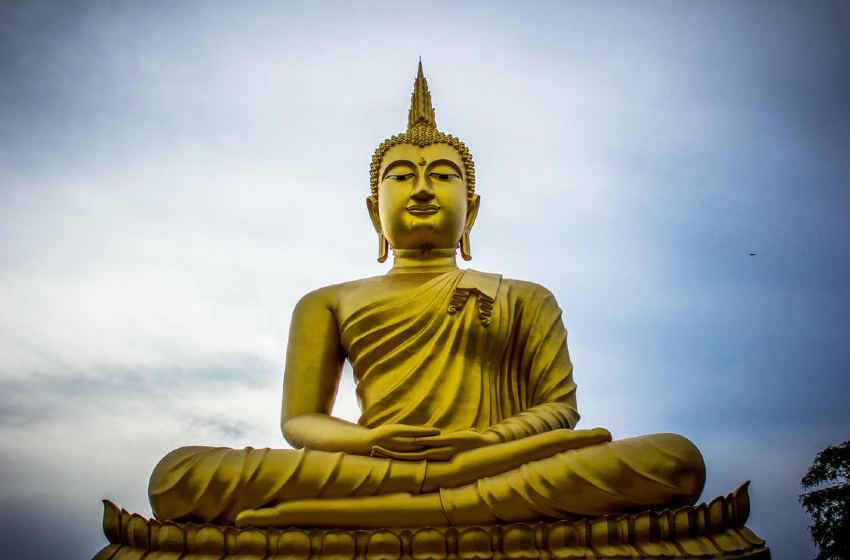
Buddha Purnima is the most sacred day in the Buddhist calendar. It is the most important festival of the Buddhists and is celebrated with great enthusiasm. Every festival has its own rituals which provide an insight into the lives and beliefs, customs and culture of the people observing them.

One may well ask why is Buddha Purnima observed by the Buddhists ? The answer is simple : because it is associated with the founder of their faith, Lord Buddha. Although Buddhists regard every full moon as sacred, the moon of the month of Vaisakh (April – May) has special significance because on this day the Buddha was born, attained enlightenment, and attained Nirvana  when he died. This strange, three – fold coincidence, gives Buddha Purnima its unique significance.

Let us first learn something about the life of the Buddha. The Buddha was born in 544 BC, over two thousand five hundred years ago. His father, King Suddhidana, was one of the best-known ruler of the Sakya dynasty. He, liked Lord Rama, was a Suryavanshi who traced his legendary descent from the sun.

On the full moon day of Vaisakh, the Buddha’s mother, Queen Mahamaya, happened to be on her way from the capital Kapilavastu to her parent’s home in Devdaha. During the journey she stopped under the shade of two Sal trees at Lumbini, where she gave birth to the Buddha. When she returned to Kapilavastu, an old sanyasi named Asit, who was also the court astrologer, came to the palace and predicted that the child would redeem the world.

The child was named Siddharth. But it was his clan name, Gautama, by which he came to be known, and he attained fame as Gautama the Buddha, Gautama the wise. The rejoicing at the birth of the prince was abruptly cut short because a week later his mother Queen Mahamaya suddenly died. Gautama was brought up by his mother’s sister who was also her step mother.

Gautama was a serious-minded child who instead of playing with other children would sit alone, lost in his own thoughts. His father did his best to get him interested in various pursuits, but to no avail. When Prince Gautama came of age, King Suddhodana arranged his marriage to the beautiful Princess Yashodhara and saw to it the prince was kept occupied with diverse amusements and pleasures of life. None of these, however, succeeded in diverting Gautama’s mind from its quest for truth.

Prince Gautama was a Kshatriya, who, like others of the warrior caste, was also expected to hunt animals and birds. But Gautama was different from other Kshatriyas; instead of killing animals and birds he wanted to protect them. Once his cousin Dev Datta shot a flying swan which fell near Gautama. He picked up the bird, took the arrow out of its body and dressed its wound. When Dev Datta came on the scene and demanded the bird he had shot, Prince Gautama replied, “He who saves life has a stronger claim to it than he who seeks to destroy it.”

The dispute was referred to King Suddhodana. The king had the swan brought to court and put on a platform in the center. He then told the two princes that the swan would be awarded to the one to whose call it responded. First Dev Datta called the bird. It began to squawk and tremble. Then Gautama called it too. The bird waddled up to the prince and sat down in his lap. “The swan has chosen its protector and belongs to him, “pronounced King Suddhodana.

There were other things about the world that began to trouble Gautama. One day, when passing through a street, he saw a man who was so old that he could not walk. Another day, he saw a very sick man lying unconscious on the ground. He asked himself, “What is pain ? Why is there so much pain and suffering in the world ? Is there any way of avoiding them ?” The Gautama came across an ascetic who looked so calm that he seemed to have found the answers to the problems of old age, sickness and death. Gautama decided to renounce the world and become an ascetic.

By now Gautama had become a father. But neither love for his baby son Rahul nor attachment to his beautiful wife Yasodhara deflected him from his purpose. One night, when his wife and son were asleep, Gautam stole out of palace. He discarded his royal lobes, snipped off his long curling tresses and went out into the dark night to seek the light of knowledge.

Gautama went from one religious center to another and from one hermitage to the next asking the inmates for answers to his questions. He got none. At last he reached a forest at the edge of the river Niranjana near Gaya. Gautama stayed here for six long years, starving himself and practising all kinds of other penances till he was reduced to skin and bone. He then realised that enlightenment could not come through mortifying the flesh. That very day a woman named Sujata offered him a bowl of kheer and a grass cutter gave him a stack of grass to sleep on. Gautama accepted both these gifts. His death recovered. He took his seat under a Bo tree and resolved to stay there until he found the answers to his questions.

One night, an hour or so before dawn, he found the answers to the four truths of life – the existence of pain and suffering, their causes, the need to overcome them and the means of doing so. Thus Gautama became Gautama the Buddha – the Enlightened one. This event took place on his thirty – fifth birthday which was also the night of the full moon Vaisakh.

From Gaya, the Buddha proceeded to Sarnath near Varanasi. Here five men became his disciples. He taught them the truths he had discovered and formed the first Sangha – community. Thereafter he traveled far and wide preaching the truth and gained a large following consisting of scholars, sanyasis, rulers of states and their ministers. He also went back to his home. But this time he entered his father’s state not as a prince but as a bhikshu – monk. His father, stepmother, wife and son joined his Sangha.

Whereas followers of others religions observe the births, deaths, and other important occasions in the lives of their founders, for Buddhists all these events are combined in one on the full moon day in Vaisakh. On this day they baths and wear only white clothes. They gather in their viharas for worship and give alms to monks. Many spend their entire day at the vihara  listening to discourses on the life and teaching of the Buddha or invite monks to their homes to speak to them. They reaffirm their faith in the five principles (Panch Sheel) – not to take life, not to steal, not to die, not to imbibe liquor or other intoxicants and not to commit adultery.

On Buddha Purnima Buddhists refrain from eating meat and eat kheer  which they share with the poor. They set up stalls in public places which provide clean drinking water. Their special forms of charity include kindness to animals : they buy caged birds and set them free and pay butchers to let go animals meant for slaughter.

Just as in some homes paper lanterns are hung on Diwali, on Buddha Purnima Buddhists make Vaisakh Vakats out of bamboo, festoon them with starts and decorate their houses with them. Some people also drape the walls of their homes with paper or cloth depicting incidents from the Jataka  tales which are based on incarnations of the Buddha prior to his birth as Prince Gautama.

Different Buddhist countries have different ways of celebrating this great day. In Sri Lanka the celebrations are very similar to Diwali. All homes are brightly illuminated and even the poorest light at least one oil-lamp.

In Japan, Buddhists are fixed the eighth of April as the Buddha’s birthday. On this day, they make replicas of shrines with spring flowers and place a small idol of the Buddha on them. They bathe and consecrate these idols with great reverence.

In Burma, the Buddhists set a day apart every month in honour of the Buddha. Since the Buddha attained enlightenment sitting under a Bodhi tree, special care is taken in watering and tending Bodhi trees.

Celebrations of Buddha Purnima have been extensively written about in poems and novels and depicted in paintings because Buddha Purnima is not only a day of rejoicing; it is also a day for reflection on the life and teaching of one of the greatest teachers the world has ever known.

Also Read: Adhika Masa Or Purushottam Masa – History, Significance, And Importance

Adhika Masa Or Purushottam Masa – History, Significance, And Importance

Adhika Masa Or Purushottam Masa - History, Significance, And Importance

The concept of Adhika Masa is unique to the traditional Hindu lunar calendars. In the 2010 Hindu calendar, there is an Adhika Masam or Adhik Masa or an extra month. This Adhika Masam is from March 30, 2010, to April 28, 2010, as per North Indian Calendar. In Gujarat, Maharashtra, Karnataka, and Andhra Pradesh, the Adika Masa is from April 15, 2010, to May 14, 2010. This extra month is known as Adhik Vaishak Maas or Adhik VaishakMahina. It is dedicated to Lord Krishna and as Vaishak is auspicious to Vishnu this makes the extra month in 2010 double auspicious.

So in 2010, there are thirteen months in the Hindu Lunar calendar. Apart from the normal 12 months, there is an Adhik Vaishak Maas.

It must be noted here that there is no Adhika Masam in the calendars followed in Assam, Bengal, Kerala, Orissa, and Tamil Nadu as it is based on Solar Calendar.

Why There is an Adhika Masa?

The Hindu calendar is a lunar calendar and is based on the cycles of the Moon. A lunar month is around 29.5 days long. Now, a solar month, which is the usual calendar, is 30 to 31 days.

The lunar year consists of 354 solar days and the solar year consists of 365 days. So, as years pass by each lunar month starts earlier than the corresponding solar month. There is a difference of 11 days between the lunar and solar years. In every two or three solar years the difference between the two calendars becomes a full month or around 29 days. To compensate and get the two calendars similar an extra month is added

Vasishta Siddhanta, a treatise of Sage Vasishta, says that the Adhika Masa occurs after every 32 months, 16 days, and 8 Ghadis. A Ghadi is 24 minutes.

Now, in Andhra Pradesh, Karnataka, Maharashtra, and Gujarat the lunar month begins and ends with the new moon or no moon (Amavasya). In North India, the lunar month begins and ends with a full moon (Purnima).

For an average devotee, the Adhika Masa means some change in the temple celebrations in the States following the lunar calendar. For example, due to the Adhika Masam, there will be two Brahmotsavams in Tirupati this year. And the Adhika Masa is dedicated to Lord Krishna.

What is Adhik Masa

The lunar month in which the sun does not transmigrate clearly is called adhik mass – an additional month. It is also termed a residual month. The Jyotish texts mention how this naming came about:

Shakunyadichatushkam tu ravermalamudahrutam,

tadurdhwam kramate bhanormasaha syattu malimluchaha

i.e. the four Karanas, namely Shakuni, Chatushpad, Nag, and Kimstugna are the sun’s residue. The duration of transmigration that occurs in these Karanas is called the residual month.

In Jyotish’s Falsamhita, great merit is attached to the Karana in which the sun transmigrates. That is, out of the 7 Karanas beginning with Bav, etc., the 4 Karanas namely Shakuni, etc. (cited above) are rather stable and are termed the residue of the sun. Therefore the transmigration that occurs in these 4 katanas is known as the residual month. This occurs once every 32 months.

Ban on performing auspicious rituals in the Residual Month

The ancient sages declared that when the moon is in the sun’s aura (Mandal), and if at this time, the sun transmigrates from one zodiac (sign) to another, it destroys the merit of the yagna or other rituals. Therefore auspicious rituals should not be performed during this period. Instead holy acts and deeds such as bathing (in sacred rivers), donation, listening to kathas, etc., for propitiating God, should be performed, rather than idling away time.

Origin of Adhika Masa

There are several stories associated with Purushottam Mas.

  1. In ancient times, the rishis Asit, Deval, Angira, Ramdev, and others gathered at Naimisharanya Kshetra. Soon Sutpurani too arrived, while on a pilgrimage. Welcoming him, the others requested him to do Katha which would imbue moksha.

    He replied, “Once Naradji visited Nar-Narayan rishi’s ashram. He humbly prayed, “O Prabhu! What is the way to moksha in this KaliYuga – age of darkness, which is plunging into ever-increasing hedonism?”

    The rishi replied, “O Muni! If man was to listen to the divine Lila of Purushottam Narayan, then even in Kali Yuga, He will grant moksha.”

    Therefore the rishis listened to the Lila in Adhik Masa, henceforth also known as Purushottam Mas.
  2. Before this name, the month was known as Mal Mas (meaning waste). Since the sun did not enter any rashes during Adhik Mas, people considered it inauspicious and hence referred to it as waste.
    Grieved by this blot, Adhik Mas took the form of a human and travelled to Vishnu in Vaikunth. With heartfelt prayers, he requested to be delivered from this ignominy and attain honour. Merciful Vishnu blessed him, gracing him with Shri Krishna’s darshan in Golok.
    In turn, Shri Krishna blessed him with the boon, “Henceforth I have accepted Mal Mas! From today, I will uplift him to a status similar to mine.”

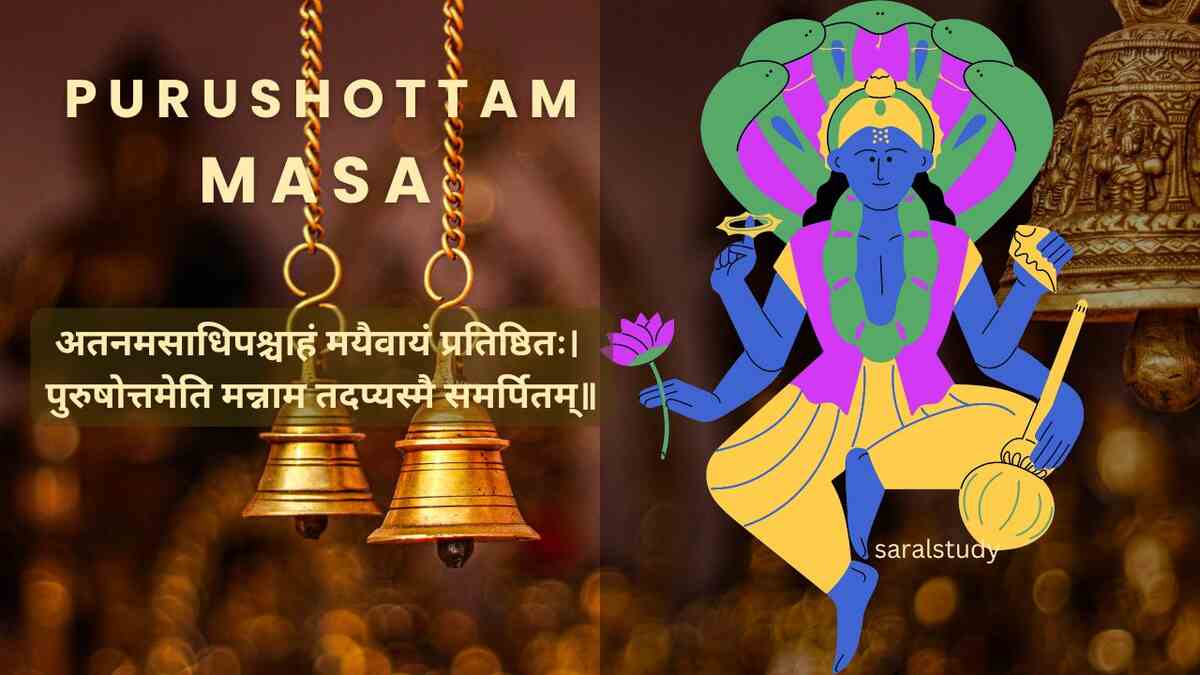
    Atanmasadhipashchaham mayaivayam pratishthitaha,
    Purushottameti mannama tadapyasmai samarpitam.

    i.e. “All the virtues that have rendered me fame as Purushottam in this world, and my name Purushottam, I gift both to this month!”
    Shri Krishna then added, “Whoever performs satkarmas – good deeds in this month, their misery will be eradicated by these satkarmas. Those who perform penance in this month will conquer their indriyas – senses.

    Whereas by performing satkarmas in other months one attains Swarg, and also returns (to earth) after their depletion, performing them in Purushottam Mas will totally eradicate punarjanma – the cycle of rebirth.
    He then added that “I will forgive all the sins of those who perform penance in Purushottam Mas.

  3.  Another story relates how Draupadi, in her past birth as Medhavati suffered spinsterhood. Durvasa rishi instructed her to perform penance in Purushottam Mas, which she hotly refused. Therefore she suffered Durvasa’s curse. To be delivered from his curse she prayed to Mahadevji. When this pleased him, she blurted out a request for a husband five times! This resulted in her being married to the five Pandavas in her next birth, as Draupadi.Additionally, for insulting Purushottam Mas, she suffered humiliation at the hands of Duhshasan in a packed assembly.Later, after hearing Purushottam Mas’s Katha from Shri Krishna, the Pandavas and Draupadi performed penance in this month and attained peace.
  1. Purushottam Mas’s glory is such that performing penances in any form even unknowingly during this month imbues spiritual merit.

    Once a wealthy king named Dradhdhanva in his former birth, being childless, performed penance for a son. When the son was 12 years old he died. In great grief the king and queen forsook food and sleep for a month, sitting near their son’s corpse. This month was Adhik Mas. This earned them Paramatma’s grace, who then resurrected the boy!

There are other similar stories in the Padma Puran extolling Purushottam Mas’s glory.

Ritual

  • This month, devotees awaken at Brahma Muhurt – around 4.30 a.m. After the ritual ablutions, they perform puja.
  • They do pranayam for physical and mental purity. If circumstances are favorable devotees should offer Shodshopchar puja – worship with 16 different types of materials.
  • If physically healthy, devotees should fast; either on water only for the whole month, or do far, or ektara – one meal a day. The days should be devoted to listening to Katha.
  • The merit of this vrat is greater than that of performing a hundred yajnas since this leads to the attainment of Paramatma’s abode.

Bhagwan Swaminarayan has also enjoined the observance of Purushottam Mas by offering special devotion. The unparalleled feature of this month is that each tithi – date of this month celebrates a sacred festival that falls on that tithi during the year. For example on the first – of Padavo, Annakut is celebrated, since it is celebrated on the first of Kartik month, after Diwali.

Hindus worldwide celebrate this sacred month, which arrives every thirty-two months, by performing extra malas, pradakshinas, pilgrimages, scriptural reading, and para yan – holding a Katha series of a sacred text.

Also Read: Ravindra Jayanti – History, Significance, And Importance

Ravindra Jayanti – History, Significance, And Importance

Guru Ravindra Nath Tagore Jayanti

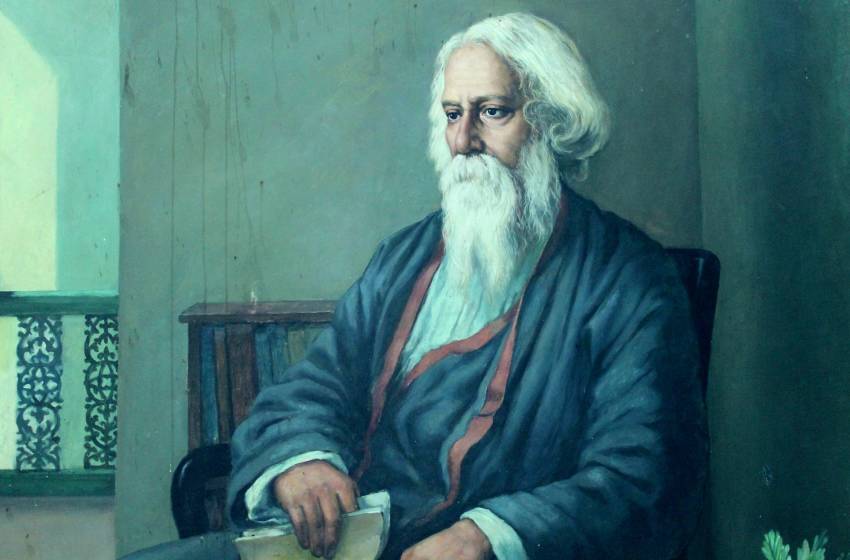
Ravindra Jayanti or Poncheeshe Boishakh as it is popularly called in the Kolkata circle is celebrated with much pomp and gaiety in Kolkata and West Bengal as a whole. The festival pays tribute to the great scholar and novelist Rabindranath Tagore. He is one of the very few Indian personalities to be awarded the Nobel Prize for his lifetime achievement as a novelist.

This festival has gained a lot of popularity in West Bengal and beyond. The festival is marked by cultural shows and recitations from the poet’s writings throughout the city. On this occasion, Rabindra lovers in general and also other people gather. Interestingly enough even people from Bangladesh celebrate this event with much enthusiasm.

Time for Celebration of Ravindra Jayanti 

Ravindra Jayanti is celebrated on the 8th or 9th of May every year in May according to the English calendar. It is also called Poncheeshe Boishakh in keeping with the Bengali calendar.

Celebration of Ravindra Jayanti Festival

The city of Kolkata throbs vibrant life forces and is a hub of cultural activities throughout the ages. The many fairs and festivals here are celebrated with gaiety and, enthusiasm. Though originally Ravindra Jayanti consisted of small groups, now it has gained the popularity of a festival. Cultural associations in Kolkata and surrounding villages celebrate this day with programs of songs, dance, and recitals. Rabindra Bharati University in Kolkata participates with gusto in this festival.

Early Life Of Ravindra Nath Tagore

Jorasanko Thakurbari where Rabindranath was born is considered a heritage property in Kolkata. It is the main venue of all cultural activities during Ravindra Jayanti.

Rabindra Sadan’s premise is another important venue. Many of the writer’s plays and dramas are staged here and people flock with great enthusiasm even to this day.

Rabindra Sangeet

Rabindra Sangeet, the genre of songs named after the singer writer can be heard in all nooks of Kolkata on this special day. The function starts at six in the morning and continues throughout the day.

Rabindra Bharati University

Every year the museum in Rabindra Bharati University put on display all the articles that are associated with the poet. His manuscripts, glasses, family articles, and photographs are for all to see.

Shantiniketan

Shantiniketan in West Bengal is another destination that celebrates this occasion with equal fervor. It is the university started by Rabindranath Tagore and is famed for having trained many famous personalities including Indira Gandhi.

Also Reads: Comprehensive List of Prime Ministers of India (1947 – Present)

Fairs and festivals in India

Fairs and festivals in India

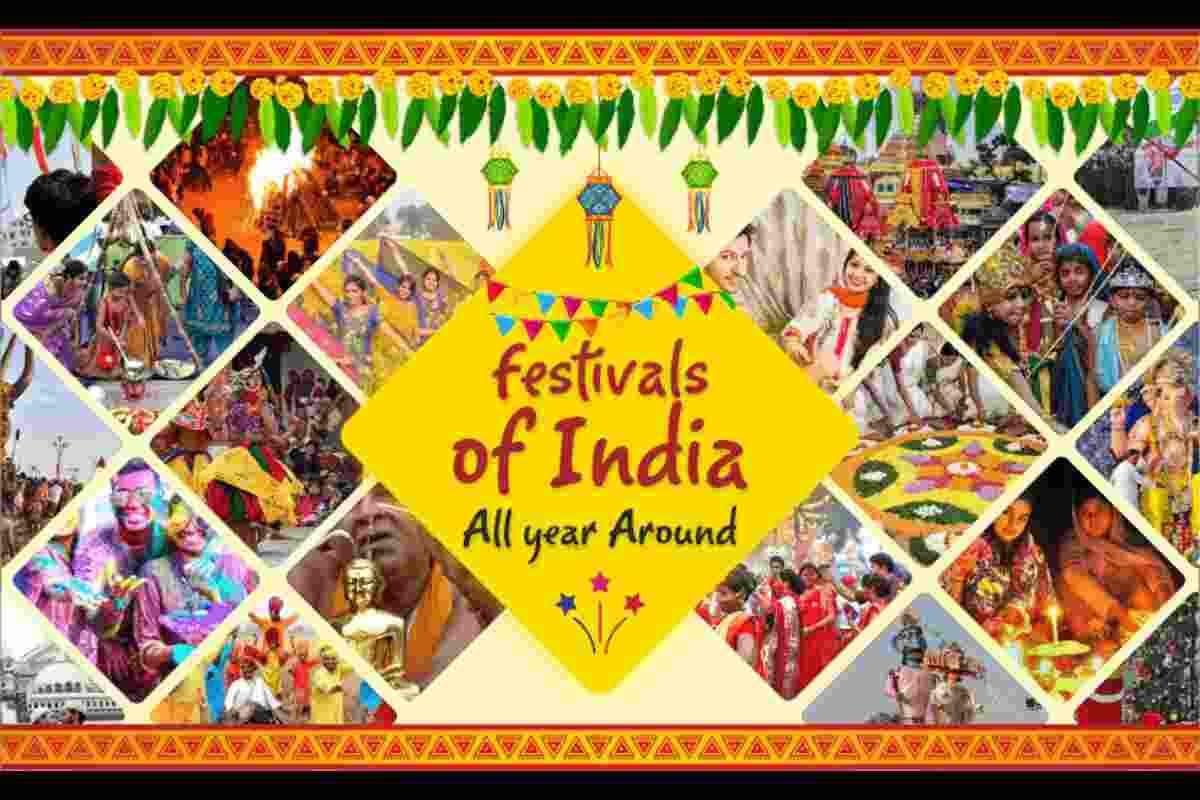
India is wholly known for its rich culture. It is a vibrant land with varied festivals of various religions. India’s diverse cultures can be visible during the festival days; however, Indians spend almost the whole year celebrating different festivals. Festivals in India are celebrated with great joy and spirit, and every festival has a deep meaning hidden inside it. All region of the country follows and celebrates the festival differently, showing cultural diversity with utmost unity. People show utmost dedication towards the rituals, food, fairs, etc. However, each festival and fair offers a tremendous and diversifying artistic environment, creed, history, and legacy of India. 

From all over the country, many tourists visit India to explore the fantastic atmosphere of the country. Every fair and festival is celebrated for a different purpose but eventually leads to pleasure for the people. A large number of locals and tourists visit these fairs and festivals and admire the beauty of India. If you want to know about honest India, whether about its culture, diversity, significance, unity, tradition, food, religion, or anything, fairs, and festivals are the best opportunities to learn about it.  

Top Festivals in India

S.no.

Festival

Month

State

1

Brahmotsavam

October

Andhra Pradesh

2

Losar festival

February

Arunachal Pradesh

3

Bohag Bihu

April

Assam

4

Chhath puja

October / November

Bihar

5

Bastar Dussehra

October

Chattisgarh

6

Carnival

February / march

Go

7

Janmashtmi

September

Gujarat

8

Diwali

October / November

Gujarat

9

Mahashivratri

February

Himachal Pradesh

10

Gochi festival

January

Himachal Pradesh

11

Eid ul Fitr

June

Jammu and Kashmir

12

Bahu mela

September / October

Jammu and Kashmir

13

Holi

February / march

Jharkhand

14

Ugadi

Early April

Andhra Pradesh

15

Onam

August / September

Kerela

Details of top festivals in India

India is a widely diverse country with many festivals, and celebrating every festival provides excellent harmony among the people to respect and cooperate with the varied religions of the country. 

  • Brahmotsavam

It is a festival celebrated in Andhra Pradesh with great joy. It is a festival that defines the pious offering from lord Brahma to lord Vishnu. It is a cleansing ceremony organized in Tirumala in honor of gonorrhea, and one of the largest festivals celebrated in Andhra Pradesh in October.

  • Losar festival

 is the famous festival of Arunachal Pradesh celebrated on the first day of the lunar calendar? It is honored during the spring season. It is celebrated annually by people with great joy and love. People perform various activities to bolster their dedication to this festival, such as folk dance, songs, bonfires, etc., celebrated in February.

  • Bohag Bihu

 It is one of the prime festivals of Assam, also known as Rongali Bihu, held after the end of the Assamese new year. The festival is celebrated during April on the first day of the Hindu solar calendar. This festival defines the happiness and celebrations of people. 

  • Chhath puja

Chhath puja is a widely celebrated occasion all over the country and is considered the major festival of India. It is celebrated for four days for the health and wealth of the family and friends. In remembrance of the sun god, a large number of women fasts for their prosperity. People even visit the river Ganga to gain blessings. It is celebrated in October / November.

  • Bastar Dussehra

is 75 days long festival celebrated in Dandakarnya? It starts in august and lasts till October. It is 75 days long festival and is considered the most extended Dussehra celebration in the country. Various communities and tribes celebrate this festival in many different ways. People celebrate it with varied old customs and cultures, and every tribal group plays it another way yearly.

  • Carnival

Carnival festival is the most celebrated festival of Goa and has been celebrated since the arrival of the Portuguese in this place. Many locals and visitors gather for the carnival festival as it is considered very famous. People wear unique dresses and costumes with masks, tribal troops, energetic dance, and songs are played to pull out the absolute of people. It is celebrated among all the regions of Goa, such as Panjim, Margao, and Vasco da Gama.

  • Janmashtami

It is one of the Hindu community’s most famous and celebrated festivals. It is celebrated in remembrance of lord Krishna on his born day. It is the most liked avatar of Shri Krishna among all, and it is considered very pious that various activities are organized on this day. Mathura is famous for its Janmashtmi celebration, as it is regarded as the house of lord Krishna. This festival is the symbol of the victory of Pandavas against Kauravas.

  • Diwali 

It is the most pious and widely celebrated festival in the country. It is the new year of Hindus. It is held over places in recognition of the goddess Laxmi. People decorate their houses with lighting, and dDiyain hopes to light the person’s home and wealth. It usually comes in October or November month. It is the most awaited and enjoyable festival for kids as they can fire crackers with their family and friends.

  • Mahashivratri

Mahashivratri is an occasion that falls once a year. It is celebrated on the lunar month of the calendar or before the new moon’s arrival. That day is celebrated as Maha Shivratri and in remembrance of lord shiv. People organize yantras all over the country after remembering the dedication of lord shiv. It is also called “The Great Night of Shiva”.

  • Gochi festival

Gochi festival is celebrated in Himachal Pradesh and is famous among all. The prime occasion is held for the families who have a boy child in their family. A social group of people gather and visit these houses and have changed as they treat and bless them. It is organized in the Lahaul, Spiti region of Himachal Pradesh. It is held in January.

  • Eid Ul Fitr

It is the most famous and pious festival in the community. It is held in June. All Muslim families celebrate eid ul Fitr by inviting each other to their homes and making various festivities to express their gratitude. Eid comes after 30 days of tasting trials by the disciple. It falls during the time of Shawwal. People start fasting after the rise of the moon and end simultaneously. 

  • Bahu mela

It is the most famous festival of Jammu and Kashmir, celebrated in September / October. On this occasion, all the people gather in the Bahu fort of Jammu and Kashmir. All the people come there to enjoy and explore the culture and traditions of Jammu and Kashmir. People set up various stalls and flaunt their old and unique festivities there. 

  • Holi

It is the occasion of colors and brightness to the life of the people. It symbolizes the everlasting and eternal love of lord Krishna and Radha. It falls on the lunar month of the Hindu calendar or in February / march. Holi celebration starts with Holika Dahan, which defines the win of right over wrong, and later, on the following day, everyone can play with colors. Pcolorsisit each other houses and shred each other with colors.

  • Ugadi

Ugadi is one of the most famous festivals of Andhra Pradesh. It is the new year celebrated here according to the Hindu Calender. It is celebrated in April. This festival is also known as “Samvatsaradi”, which means ‘beginning of the year. People make beautiful paintings n the floors and decorate them with various colors, colors leaves, called Muggulu. People visit each other’s families and offer gifts and multiple things as a gesture of love.

  • Onam

Onam is a famous festival of Southernhern part of India. It is the harvesting festival for the people of Kerala. It is celebrated as the symbol of good governance by Mahabali, who was a Daitya king. It is celebrated in the month of august or September And celebrated with great joy and harmony.

Top fairs in India 

Fairs and festivals are organized all over India, and thousands of people come together to enjoy themselves. Most of the fairs are contained at pilgrimage sites. Here we provide the top 10 fairs hope this will help you.

Sno

Fairs

Month

State

1

Kumbh mela

The month needs to be defined. It is held when Jupiter enters into an Aquarius.

Haridwar, Nasik, Ujjain, and Allahabad

2

Rann Utsav

November

Kutch, Gujarat

3

Maha Shivratri

April

Maharashtra

4

Pushkar fair

Rajasthan

5

Sonepur mela

November

Bihar

6

Kolayat fair

December

Rajasthan

7

Gangasagar mela

West Bengal

8

Chandrabhaga mela

September

Odisha

9

Ambubachi fair

October

Assam

Details of the top fairs in India

Here we provide some details of the top fairs celebrated in India. We all know that India is a country that celebrates every occasion enthusiastically. India is a land of culture, rituals, diversity, and more, and each community has its fair. These beautiful fairs enhanced the beauty of the country and embraced the identity of Indians.  

  • Kumbh mela 

The number is the largest religious gathering in the world. It is celebrated every 12 years on the bank of the river  Ganga at Allahabad in UP. Thousands of devotees of Lord Shiva come together and perform prayers. The older adults believed that in ancient times when there was a war between god and demons, the few drops of Amrit fell into four places in India: Ujjain, Nasik, Haridwar, and Praygaraj (earlier known as Allahabad).

This festival occurs after 12 years when Jupiter enters an Aquarius, an astrological sign, and then this mela takes place. The Kumbh Mela is held at four alternated venues: Haridwar on the bank of river Ganga, Ujjain on the bank of Shipra, Nasik on the Godavari river, Prayag (Allahabad) where Ganga, Yamuna, and Saraswati join together.

  • Ranntsavtsav 

Rann Utsav is a fair of music and dance. It enhances the beauty of white rann. This festival is celebrated in November t the door village, which is infamous for its different culture and tradition. Many traditional shopping activities are organized in Rann Utsav, such as authentic handicrafts, bandini sarees, ornaments, etc. more than 3450 luxury tents were built by the government of Gujarat. Rann Utsav also offers some unique activities like kite flying, special arrangement on republic day, special gala dinner on white rann.  

  • Maha Shivratri fair 

This fair is celebrated in Maharashtra and is among the most important for Hindus. It is celebrated on the 12th night of the lunar eclipse in the month of Phalguna. This festival is celebrated in April annually and lasts for three days and nights. Millions of devotees perform a prayer at the temple of lord shiva. At the end of the fair, the people take a bath in the Godavari river the next day, and the aarti ceremony is performed before sunrise. 

  • Pushkar fair 

It is the world’s largest camel fair which is organized in Rajasthan. This festival starts according to the Hindu calendar month Kartik and ends on the month of Kartik Poornima. Apart from trading, Pushkar lake is also essential for Hindu devotees. This fair attracts a large number of people men trade their camels, horses, cows, and sheep, and other than this the shops of handicrafts, bracelets, cloths, and textiles are also arranged with music. 

  • Sonepur mela 

This festival is organized in Bihar and is one of India’s largest cow fairs. More than 2 million people come together and sell and buy cows, bulls, and calves at that fair. This festival is held in November on the day of Kartik Poornima when the river Ganga and river Gandhi meet. However, this fair is similar to the kshetra fair in which buffaloes, horses, dogs, birds, elephants, camels, cows, etc., are traded for a month.

  • Kolya fair

This festival is held every year in December. Many Hindus come together at a temple near Kolayat Rajasthan on the occasion of Gokul Ekadashi. The Hindu devotees believe that their ancestor’s ashes are to be present here. During this period, they performed prayers and offered worship to their ancestors. The Hindus and Muslims also participated in this fair; they visited their shrine.

  • Gangasagar mela 

This fair is celebrated every year at Sagar Island in west Bengal. According to the older people, the lord shiva used to take a bath in his confluence every year on the Makar Sankranti. It is believed that the lord shiva would come to his adobe (Uttarakhand) with his wife, ride a hard vahana, and descend on Sagar island. During the Makar Sankranti festival, the devotees of lord shiva take a bath at that point and pray for prosperity.

  • Chandrabhaga mela

It is a Hindu pilgrimage fair celebrated in September at Odisha (Bhubaneswar) on the bank of river Chandra Bhaga. Thousands of devotees come together and take a bath in the Chandra Bhaga river, which originates from the chilka lagoon and meets at the bay of Bengal. The older people believed that the gods take a bath here after the victory over demons. 

  • Ambubachi fair 

It is the largest carnival in India which is celebrated in October in the kokrajhar town of Assam. This fair was observed during the period of the Britishers and later became a part of Indian culture. This fair honors goddess Samkhya’s annual menstrual cycle, and thousands of devotees come together to celebrate this festival.      

New Year festivals in India 

As we all know, India is a vast and diverse country with a large population. 1st January is considered the new year, but India is a country that contains different religions, customs, and traditions. That’s why every state celebrated its new year in its way. So here we are providing you with a list of new year festivals in India. 

Sno

Festival

Month

State

1

Pohang Bihu

April

Assam

2

Cheti Chand

April

Sindh

3

Gudi padwa

March

Maharashtra

4

panasakranti

April

Odissi

5

Pohela Baisakh

April

Bengal

6

Ugadi

March

Andhra Pradesh

7

Vaisakhi

April

Punjab

8

Best varas

November

Gujarat

9

Hijri

December

all India

10

Losar

February

Ladakh

Details of the new year festivals in India 

India contains a variety of people, and they have different cultures and religions. Some people follow the lunar calendar, and some follow the solar calendar. We provide you with a detailed structure of new year festivals in India.

  • Pohang Bihu 

It is also called rangoli Bihu, celebrated in April and popularly known as the new year of Assamese. According to the Assamese calendar, Pohang Bihu is celebrated in mid-April. This Assamese festival is related to harvesting Assam’s agriculture-based state and performing Bihu symbolizes joy and happiness. The people distribute sweets and gifts to their family and friends. This festival is celebrated for three days in which different traditional and ritual practices are organized, and the Bihu dance is one of the most popular ways of celebrating Bihu.

  • Cheti Chand Sindhi new year 

Cheti Chand is a festival celebrated by the Sindh people of India and Pakistan. However, the date of this festival is decided by the Hindu calendar, which is the second day of Chaitra Shukla paksha. Apart from this, it is also celebrated on the day after Ugadi and Gudi puds. According to the Sindhi people, this festival is celebrated on the birth anniversary of ishtadeva Adeola, who is popularly known as hula, the saint of Sindhis. In this festival, the Sindhi people prayed to the river god to protect them from forced conversion. 

  • Gudi padwa Marathi new year 

Gudi padwa is a Marathi new year festival celebrated on the 1st day of the Chaitra month. The pad is a Sanskrit word that means the first day of the lunar fortnight, and the phrase gudi means a flag. Gudi padwa festival is one of the most important festivals of Maharashtra, and the people celebrate with great pomp and enthusiasm. They draw rangoli, a gudi flag with flowers, mango, and neem leaves. People started their day with a holy bath in a river, dressed, went to the temple, and performed prayers. Women wear beautiful nine-yard sarees, and males wear traditional kurta pajamas with a saffron turban.

  • Pana Sankranti Odisha new year

Pana Sankranti is also called visual Sankranti and is a new year for the Odisha people. It is celebrated on the 14th or 15th of April every year. The people fill the earthen pot at this festival with a sweet drink called pana. The whole is made on the bottom of the pot, and the sweet waterfall drop by drop represents the beginning of the rainy season. The mixture of horse gram flour, bananas, and curd is offered to the basil plants; after that, family members consume this mixture.    

  • Pohela boishakh Bengali  new year 

It is also known as Bengal noboborsha and is celebrated as a new year. This festival is celebrated on the month of 14-15 April every year. However, according to the Hindu calendar, it is the 1st day of Baisakh. During this festival, the Bengali people wear new clothes, make traditional dishes people distribute sweets. The people believed this was a new financial year for the Bengali business community; they bought shops and other things for good fortune. They prayed to lord Ganesha and goddess Lakshmi for their promising future. 

  • Ugadi Telugu new year

Ugadi festival is a new year for the teledus of  Andhra Pradesh. Many people started their new businesses, investing and buying new things on this day. Ugadi Telugu new year festival is celebrated on the 1st day of the lunar month Chaitra which is the month of march and April according to the English calendar. On this occasion, the women clean their houses and make rangolis on the floor, and people buy new clothes people start their day by taking sesame messages and bath and, after that having the Ugadi patched. After eating the dish, the family members go to the temple and perform different rituals.   

  • Vaisakhi Punjabi new year

Vaisakhi or Baisakhi is a harvest festival celebrated on the 1st day of Vaisakhi month, April-may. This festival represents the end of the harvesting season in India. This is a significant festival for Sikhs and exceptionally substantial to Punjab and Haryana because most of the Sikh population is situated there, and they celebrate this festival in a tremendously enthusiastic way. However, the people celebrated this festival by bathing in the holy river water, going to the gurudwaras, and performing prayers.   

  • Best varas Gujarati new year

Best varas is a Gujarati new year celebrated after Diwali on 26th October in Kartik month. At these festivals, traders and business people start their startups, and people start their new accounts. The offered prayers to goddess Lakshmi during chopda puja make Gujarati new year special. They wear new clothes, meet, share sweets, and exchange new year wishes. According to the Gujaratis, this day is considered an auspicious day. 

  • Hijri Islamic new year

Muharram is considered the Hijri Islamic new year. In most Islamic countries, this day is regarded as a public holiday. Muharram represents the starting point of the Muslim era which means the prophet’s journey from Mecca to Medina on the first Muharram. The Islamic year is also called the Arabic new year, and the Islamic new year is quiet because the Muslims reflect their mortality.

  • Losar Ladakh  new year

The Buddhist community in Ladakh celebrates this festival in the Tibetan calendar on the 1st day of 11 months. According to the people, this festival is celebrated because this day is considered the birth anniversary of Je Tsongkhapa. 

Conclusion 

Fair and festival is the reason for celebration and provides an excellent opportunity to have fun with family and friends. We all know India is a vast country with different religions, cultures, and traditions. Apart from this, the people of India believe in togetherness because it is essential for the growth of an individual’s personality. The other fairs and festivals are the reason for brotherhood. The people come together and perform various fairs and festivals, which develop the feeling of brotherhood.

Faqs

1. What is the most significant festival in west Bengal?

Ans: Durga puja is the most significant festival of west Bengal, which is celebrated from September – October.

2. What is the importance of fairs in Indian culture?

Ans: Indian culture is widely known for its festivals and fairs all around the country. It combines the people of different communities and religions as the symbol of unity, which signifies that India is a diverse country and one unit for the whole world.

3. How many festivals are celebrated in India?

Ans: There are around 13 festivals that are celebrated all over the year in the country.

4. What is the purpose of fairs in India?

Ans: The purpose of fairs in India is that helps in providing occupation to the labourless people. It initiates trade and promotes employment all over the country.

5. What is the longest festival in India?

Ans: The longest festival in India is Navratri.

Also Read: Indian States Food, Clothes, Dance and Languages

Durga Puja- History, Significance, and Importance

Durga Puja- History, Significance, and Importance

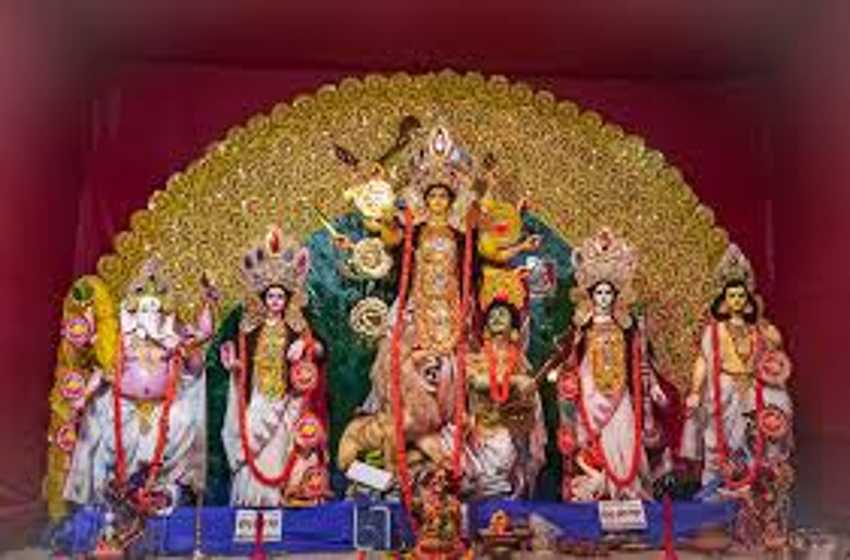
Smiling blue skies trimmed with fleecy white clouds, gentle breeze, warm sunshine, and the ‘cash’ flowers usher in the month of Aswin (September – October). It is the time for Durga Puja, the main festival of West Bengal, bringing with it new hope to the hearts of all Bengalis.

Celebration of Durga Puja

Durga puja or Durgotsava starts off a chain of festivals that end with Saraswati Puja. Mahalaya and the pre-dawn recitation from the Chandi announce the advent of Durgotsava. Preparations and expectations culminate in the Puja days, Shashti, Saptami, Ashtami, and Navami. The beat of drums, the clash of cymbals, the ringing of bells, dances before the image of Durga, and incense wafting in the air, all form an integral part of Durga puja. All too soon it is Bijoyam the day when the images are taken in a procession and immersed in the river. Bengalis go back to their mundane lives to wait another year to welcome the goddess.

Significance of Durga Puja

Durga Puja, as we know it today, is a festival, that binds together people from all walks of life, irrespective of caste, creed, and religion. It is a community festival, though in some houses they still have private pujas. Durgotsava has turned out to be a source of livelihood for people in different spheres. The image-maker, the priest, the florists, the dhaki (drum-beater), grocers, confectioners, and volunteers are all part and parcel of this festival. It is a time to exchange gifts. This is the season for new clothes. The puja generates enthusiasm as well as income for countless people.

A notable feature of Durga Puja in West Bengal is the Puja issue of a magazine. This cultural aspect is a literary offering on the eve of Mahalaya Amavasya. This unique feature of Bengal reminds us that it has always been at the forefront of culture. Associated with the Puja, cultural functions and melas (fairs) are held. This means creating mass contact and developing various folk arts and cottage industries.

History of Durga Puja

A peep into the past presents us with a rich background of the mythological and historical aspects of this great festival. Durga was a Puranic Goddess. In the Puranas, the struggle between the Gods and demons or ‘asuras’ is mentioned. The Gods could not subdue Mahisasura, the king of demons, who drove the gods out of heaven. They went to Vishnu who told them that it would be possible for someone other than a God to defeat Mahisasura. The name Tilottama and not Durga is found in the Puranas. She was created with all the special attributes. Shiva gave her his trident, Vishnu his die, the spear was given by Yama, Agni gave a dart, Kubera a club, Kala a sword, Surya a quiver full of arrows for a magical bow given by Vayu; Varuna provided her with a conch to announce her victory; Viswakarma a battle axe and Indra his thunderbolt. Himavan gave her a mount – a ferocious lion. She was also adorned with jewels.

She subjugated Mahisasura and is also known as Mahisasurmardini, who disappeared into nothingness. Mahisasura is identified as a block buffalo.

The war between the asuras and the Gods took place in spring, the season for the war. It is said that Ram invoked the blessings of Chandi in Autumn before attacking Lanka. This was not the proper time for war. Therefore Rama had to invoke Chandi so as to be victorious. The Chandi – worship of Rama was called “Akal Bodhan” the untimely worship.

Another myth centres around Parvati, the daughter of Menaka and Himalaya. She unwillingly married Shiva. The Durga mythology slowly crept into the social mainstream and gave rise to poignant yet common social feelings. Durga has other common household names like Uma, Gauri, Lalita, and so on.

Origin of Durga Puja in Modern Era

Durga Puja was not prevalent anywhere in Bengal before the 15th century. In the folk songs of the Bauls “wandering minstrels of North and West Bengal, the arrival of Gauri in Autumn”, has been sung.

The historical evidence of Durga Puja can be traced to the time of Hossain Shah Sultan of Bengal. It was the Golden Age of Bengal, the end of the fifteenth century. Political power was in the hands of the zamindars. The zamindars of North Bengal were all-powerful. There was a great rivalry between the zamindars of Dinajpur and Malda for social supremacy. The zamindars of Dinajpur initiated Durga Puja. Akal Bodhan, on the day when Rama worshipped Durga. He spent 9,00,000. There was great pomp and pageantry and the climate was excellent as it was autumn.

The zamindars of Malda to out-beat their rival performed Basanti Puja according to Puranic tradition in Chaitra and spent 9,50,000. The next year, both did Durga Puja in Autumn.

Later, the centre of Muslim rule shifted from Gaur to Dhaka. The zamindars flourished in East Bengal. They vied with each other and Durga Puja was performed by most. In the eighteenth century, it spread to other parts of Bengal. It is difficult to pinpoint the date but Radhakanto Deb and Kalikrishna Thakur brought the festival to Calcutta.

The Maratha or Borgis would annually invade Bengal. They adopted Durga Puja and carried it westward with them. It is performed with different names in many parts of the country, particularly in the eastern region and especially in Bengal. In Nepal, it is performed as Chandi Puja.

Durga Puja as we know it today has undergone a vast change from the past. It is performed by Bengalis all over the world. Twelve friends or Baro Yar first joined together and performed a community Durga Puja. It came to be known as Baroyari, then Barbara.

A few Durga Pujas in Calcutta are organized wholly by women, Durgotsav is now a community festival and has spread to every nook and cranny of Bengal.

Onam – History, Significance, And Importance

Onam - History, Significance, And Importance

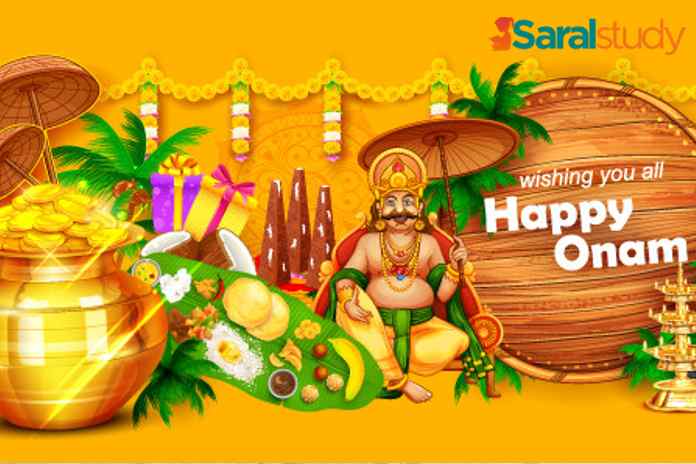
Colourful Onam is the main festival of Kerala. It is the official festival of the state and a significant annual event for people in Kerala, featuring a variety of cultural activities. The Onam festival honours King Mahabali.

It is celebrated in the Malayalam month of Chingam (August – September) on Thiruvonam day: This festival heralds the end of the South-West Monsoon when nature is lush green in her vegetation and adorned in all her floral beauty. Onam is also a harvest festival, coming as it does at the end of the harvest season when people are in a jubilant mood.

History and significance of Onam

The origin of Onam can be traced to the Puranas, like the Bhagavata Purana, Vamana Purana, and so on. Bali or Mahabali was the king of Kerala. During his regime, the kingdom enjoyed peace and prosperity. This Asura or demon-king defeated Indra and conquered the heavens. Bali was a devout worshipper of Vishnu. The gods went to Vishnu for help. To help Indra, Vishnu was born to Aditi the mother of Indra with Prajapati Kashyapa as his father. Vishnu was born as a Vamana in the sixth incarnation of Vishnu.

Bali was extremely proud and conscious of his generosity. He held a yajna and none was refused his request. Vishnu in the guise of Vamana, appeared, to put an end to the might of Bali. Sukracharya, the guru or spiritual guide of the Asuras already knew that Vamana was none other than Vishnu. He personally wanted Bali not to fulfil even the least request of Vamana. Bali welcomed Vamana to his yajnasala and requested him to ask anything from him as a sacrificial gift. Thus Bali ignored the warning of Sukracharya. Vamana asked for a piece of land that he could cover with his three steps. Bali generously agreed.

As soon as Bali poured the sacrificial water into the hands of Vamana, the dwarf turned into a colossus. His first step covered the heavens. The second step covered the whole earth and his body in the intervening space. There was no space left for the third step. Thrivikrama (Lord of Three strides) placed his third step on Bali’s head and sent him to the Pataloka (the nether regions). This interesting legend is depicted at the Suchindram temple in Kerala in the most artistic manner.

Significance of Onam

It is said that at Bali’s request Vamana gave him the necessary permission to come once a year to meet his people. On the eve of Thiruvonam, the 2nd and most important day of Onam, Bali comes to meet his people. On this occasion, the picturesque state of Kerala gives a symbolic welcome to their king, Bali. Houses are cleaned and decorated with flowers and lights. A fabulous display of fireworks turns the capital Thiruvananthapuram into a veritable fairyland. Sumptuous feasts are prepared. The eldest member of each family presents clothes to all the members of the household. The image of Vamana or Vairochana is installed in each house. Vamana is worshipped in the temple of Tiruvellikkara. He is shown here with his foot on Bali’s head. This temple is the centre of the Onam celebrations.

Onam celebration

The festival of Onam is celebrated with special emphasis in different places.

Onam boat Festival – Boat race in Kerala

Onam boat festival

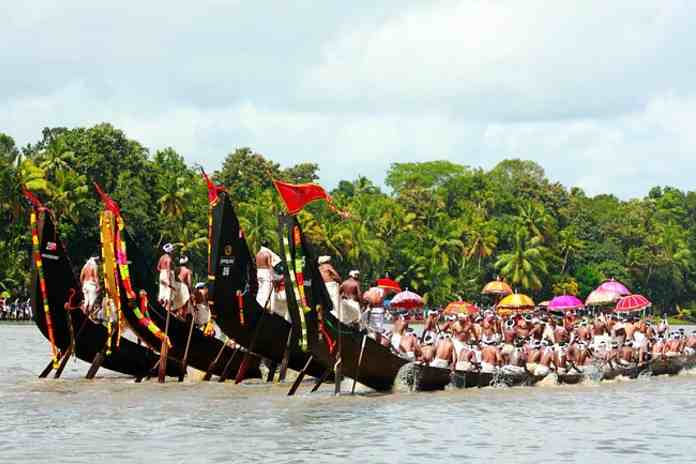
It is at Onam that the formal boat races are held in Kerala. One can find boats in different shapes. The most popular boat races are held in Kottayam, Champakulam, and Aranmula. Huge, graceful boats are rowed by about a hundred oarsmen. The songs sung are typical in character as the rhythm of drums and the clash of cymbals vibrate from each boat. The boats are adorned with scarlet and green silk umbrellas. The number of umbrellas shows the affluence of the family. Gold tassels and coins can be seen hanging from umbrellas. People come from far and near to watch the boat race. It is a also major tourist attraction.

Kathakali dance and Elephant procession

Kathakali dance

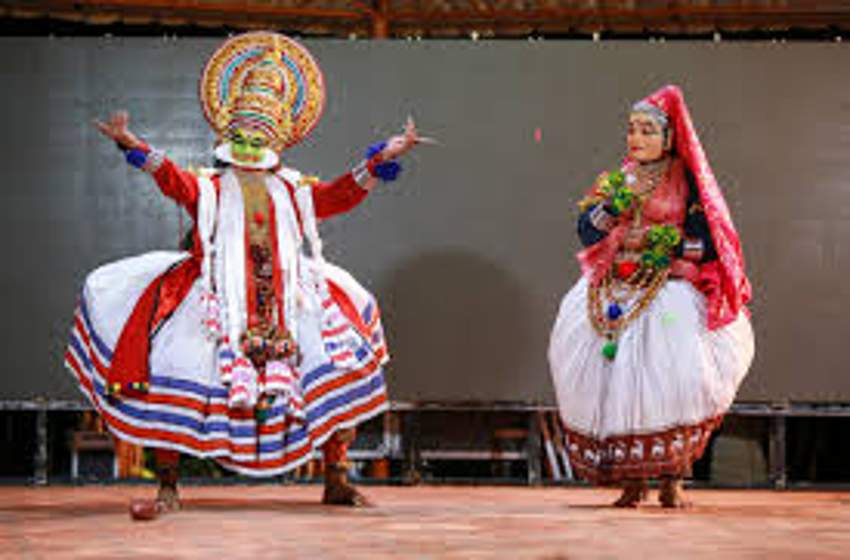
At Shoranur, Kathakali dancers in gorgeous costumes enact the legends. A strikingly impressive procession of caparisoned elephants is taken out at Trichur.

It is presumed that Mahabali was most probably a Dravidian king, cherished by his people. Mahabalipuram, also known as Mamallapuram was in all probability, his capital or the main port of his kingdom. It may be that he was conquered by the Indo – Aryans. The sociological factor behind the legend may be the fact that the Aryans defeated the non – Aryans and subjugated them. Then they gave the non – Aryan king permission to come to meet his own people. Onam generates income as it is a major tourist attraction and thus helps the economy of the state. It is a festival observed all over Kerala.

Baisakhi- A Harvest Festival

Baisakhi

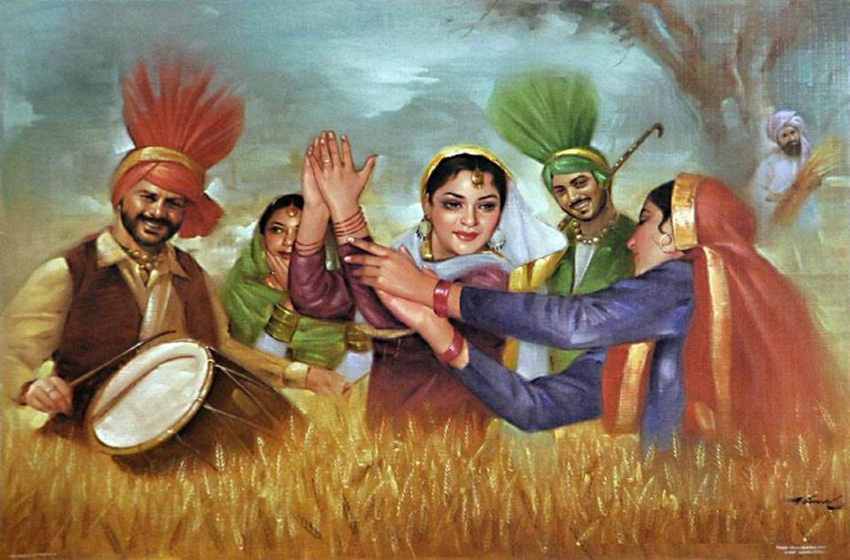
Baisakhi is a harvest festival, a Punjabi new year festival, and a commemoration of the founding of the Khalsa (Sikh religion brotherhood) all rolled into one occasion.

In 1699, Guru Gobind Singh (the 10th Sikh Guru) decided to discontinue the tradition of Gurus in Sikhism. He proclaimed the Granth Sahib (holy scripture) to be the eternal Sikh Guru. He then formed the order of the Khalsa by selecting five fearless leaders of his followers, who were prepared to lay down their lives to save others.

How is Baisakhi Celebrated?

Baisakhi is celebrated with a great deal of feasting, bhangra dancing, folk music, and fairs. The area surrounding the Golden Temple in Amritsar becomes carnival-like.

The Baisakhi fairs (melas) are organized all over Punjab and are a festival highlight for many people. Locals dress up in their finest clothes, and sing and dance. There are races, wrestling bouts, acrobatics, and folk music. Numerous stalls selling trinkets, handicrafts, and food add to the colour.

What Rituals are Performed During Baisakhi:

In the morning, Sikhs visit the gurudwara (temple) to attend special payers. Most Sikhs strive to visit the revered Golden Temple in Amritsar or Anandpur Sahib, where the Khalsa was pronounced.

The Granth Sahib is bathed with milk and water, placed on a throne, and read. Karah prasad (sacred pudding made from butter, sugar, and flour) is distributed.

In the afternoon, the Granth Sahib is taken out in a procession, accompanied by music, singing, chanting, and performances.

Sikhs also offer also car service by helping with the daily chores of the gurudwaras. This is a traditional symbol of humanity for all Sikhs.

Different New Year’s Celebrations in Hindu Traditions

HAPPY NEW YEAR

Every nation in the world has its New Year’s Day. A year is the time of the apparent revolution of the sun through the ecliptic; and a sidereal year is a time in which the sun, departing from any fixed star, returns to the same.

Astronomical Hindu New Year and Samratsaradi

The Hindu’s astronomical year is sidereal. He calls it Samratsaradi, the first day of the year or the Vishu -, Chaitravishu, the equinoctial point of Aries, into which the sun enters at the vernal equinox. This event generally falls on the 12th of April and is considered by the Hindus a Punaykala – or a holy occasion. So on New Year’s Day, the Manes and Gods are propitiated by offerings of tarpana – oblations of water – and other allied ceremonies. In other respects, New Year’s Day is a day of feasting.

Varied New Year’s Observances Across Hindu Sects

Hindu New Year celebrations differ by sect and calendar:

  • Tamils: Follow the solar calendar, observing the sidereal year.
  • Telugu and Kannadigas: Follow the lunisolar calendar, celebrating earlier than April 12th.
  • Malayalis: Follow the solar calendar but start their agricultural year (Kollamandu) in mid-September.

Though the astronomical Hindu year falls around the 12th of April, New Year’s Day is observed on different days by different sects of the Hindus, according to whether they follow the lunar, the lunisolar, or the solar calendar. The Tamils follow the solar, and their year is thus the sidereal year. The Telugus and the Kannadigas follow the Chandramana reckoning, and their year is lunisolar, which begins earlier than the 12th of April. The Malayalis follow the Tamils, through their Kollamandu – which is more an agricultural year – starts about the middle of September, when the sun enters the autumnal equinox.

Traditional New Year Festivities

On New Year’s Day, Hindus:

  • Take sacred baths in rivers or the sea.
  • Perform rituals to honour ancestors and deities.
  • Dress in festive clothes, visit temples and prepare special meals.
  • Read and discuss the New Year Calendar (Panchanga) in gatherings, often with music and treats.

Malabar’s Grand New Year’s Eve and Morning Rituals

In Malabar, New Year’s Eve involves collecting auspicious items (coins, jewels, fruits, flowers) in the family god’s worship room. Early on New Year’s morning, the family head (Karavan) opens the room, and family members view the auspicious collection. This ritual is a unique tradition among Malayalis, symbolizing prosperity and good fortune for the year ahead.

Also Read: Hindi Months Name: 12 Months of the Year in Hindi and English

Holi: History, Significance, Celebrations, and Rituals

holi

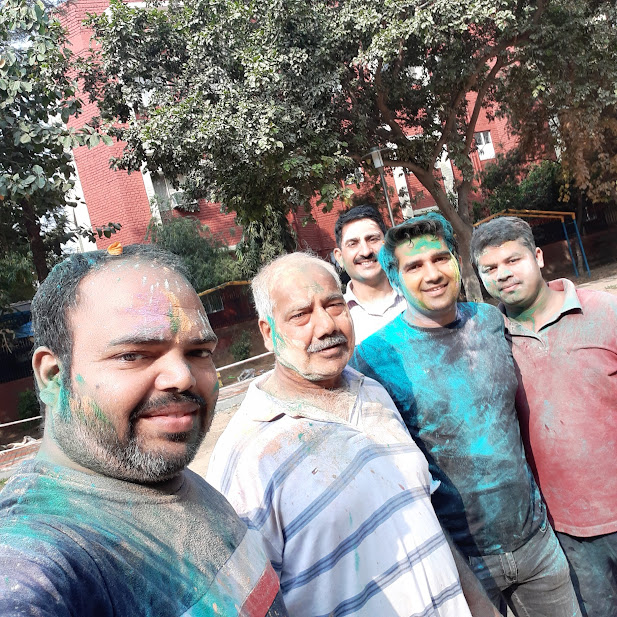
Holi is a traditional Hindu festival, also referred to as Spring Festival, Colour Festival or Love Festival. Holi is the most popular of the three Indian festivals – Holi, Diwali and Dussehra. It is also the most secular festival although it has a touch of religiosity. This festival is celebrated on Full Moon Day in the month of Phalgun (February – March).

Origins of Holi’s Name

The word Holi is derived from the Sanskrit term Holaka, which refers to roasted grains or partially cooked harvests offered during ancient rituals. It is believed to symbolize purification and a new beginning by fire.

As mentioned in Bhav Prakash (A book on Ayurveda):

Trinagni bhrashtarth pkkashami dhanya hoalakah
ardhpakkashami dhanyastrina bhrashtashch holakah
holakolpanilo medah kafa dosha shramapah

Meaning: The half-cooked Shamo-Dhanya (pods) roasted on straw fire is called Holak. This Holak relieves the defects of Vata-Pitta-Kapha and fatigue.

  • Holika (Outer Layer)
    The term Holika refers to the protective outer covering of grains like wheat and barley. During rituals, the outer layers of grains burn away, representing the destruction of negativity, while the inner grain (symbolizing life and virtue) remains intact.
  • Holak (Half-Cooked Grains)
    Holak refers to grains roasted in ritualistic fire. This practice celebrates the season’s harvest and is part of communal offerings to deities and ancestors, symbolizing gratitude.

Regional Names, Rituals and Holi Celebrations

Holi is the oldest festival and has taken different forms since pre-historic times. It was a festival adopted by both Aryans and non – Aryans alike. This festival is symbolic of new crops and the new year. It is a farewell to the past and an invocation to everything new.

This festival is known by different names in different parts of the country. ‘Phalguni Purnima’ has its source in the phage or phage, the powder used in Holi. The original colours used were red and green. Red is a symbol of desire and green stands for youth and vigour. In Bengal, it is known as ‘Dol Purnima’ from the swing in which sat Radha and Krishna. Orissa celebrates ‘Dol Jatra’. In Western India, in Goa and in the Konkan, it is called ‘Simagh’ in celebration of youth and vitality. It is ‘Madan Daman’ or ‘Kamayan’ in South India. Kamayan represents the fulfilment of desire. North India has just ‘Holi’ or ‘Hori’.

Cultural significance

Holi has three distinct aspects. It is symbolic of hope for new crops, youth and vigour as well as an invocation to the new year. It is said Phalguna was the last month of the year as stated in the Bavishya Purana. Some scholars are of the opinion that as the year comes back as ‘dol’ the festival was called ‘Dol Purnima’. This festival heralds the advent of spring. People are in a jubilant mood and feel rejuvenated.

History and rituals of Holi

The usual legends surround this festival. Hiranyakashipu, a mighty king worshipped Shiva and was fanatically opposed to Vishnu. His son Prahlad, on the other hand, was an ardent devotee of Vishnu. The father tried to destroy his son but failed. His sister Holika was immune to fire. He employed Holika to enter the fire with Prahlad on her lap. The unexpected happened. Holika was burnt to ashes and Prahlad emerged unscathed. The worshippers of Vishnu celebrated the occasion with the effigy of Holika. They celebrated the event with phage or powder on Phalguni Purnima Day. Holi was celebrated by the Vaishnavas, the followers of Vishnu.

Holi and Lord Krishna

The Vaishnav cult found expression in Radha and Krishna. The festival of Radha and Krishna on the swing or ‘dola’ is ‘Dol Purnima’. According to Srimadbhagvata, Putana, a female demon, tried to kill Krishna, who was the eighth, incarnation of Vishnu. When Krishna was a baby, his uncle, King Kansa ordered a general massacre of all babies. Putana is the disguise of a woman, who suckled infants to death. Krishna, knowing her for what she was, sucked her lifeblood and destroyed her. In Mathura and Brindavan, where the Krishna cult flourishes, the effigy of Putana is burnt. It is here, in the birthplace of Krishna, that Holi is celebrated with traditional songs, dances and spraying of colours.

Yet another legend associated with Holi is the destruction of Kamadeva, the God of Love by Shiva. Parvati, the daughter of Menaka and Himalaya was deeply in love with Shiva. At that time Shiva was immersed in deep meditation and took no notice of her. The Kama, in order to help Parvati, disturbed Shiva’s meditation. The enraged God with the power of his third eye reduced the Kama to ashes. Later, he was restored to life at the behest of Parvati. The meditation period of Shiva is considered to be a seasonal cycle, winter. The interruption leading to his marriage with Parvati signifies new life and fulfilment.

‘Dol Purnima’ is also the birthday of Gauranga or Chaitanya Mahaprabhu, a sixteenth-century Vaishnava saint of Bengal. ‘Dol Purnima’ therefore, has special significance for the followers of Vishnu.

Holi as a universal festival

The social customs connected with Holi are universal. The ancient Greeks and Romans, celebrated Baccalian, a fertility cult. In Europe, May Flower Day was celebrated and on this day free mixing among the youth was encouraged. According to the ancient belief, the Sky was the father and the Earth the mother and the horizon was the mating place. In Egypt, the concept was exactly the reverse. The ancient festival was celebrated by the side of the field. Holi, the most popular and yet secular festival, is celebrated by all, cutting across barriers of caste, creed and religion. People enjoy putting colour on one another. The young seek the blessing of the elders. It is a time for free mixing and taboos are ignored. It is a time of hope and joy because spring is in the air.

Also Read: Fairs and festivals in India

Easter – History, Meaning, and Facts

Easter-

Easter is the day when Jesus Christ was crucified and the Christians offer prayers and services in the Churches. Easter is another important festival for Christians. On this day Jesus Christ rose from the dead and ascended into heaven. Easter eggs and Easter bunnies are a major attraction during Easter, the festival of rejuvenation of life and living.

Easter History

In the days of the early Christian church, only Easter Sunday was celebrated as a holy day. By the fourth century, each day of the week preceding Easter was established as a holy day including Good Friday.

To most Christians, Good Friday is really a misnomer in that it was a “bad” Friday—the crucifixion day of Jesus. Some believe the term “Good” evolved from “God” or God’s Friday. Others believe “good” represents the good gift of salvation brought forth by martyrdom. Regardless, it is a holy day throughout the Christian world.

Ceremonial worship of the holiday follows closely the events described in the scriptures. Some congregations still hold a three-hour service on Friday representing the three hours He hanged on the cross. A typical service includes seven distinct elements representative of Christ’s seven utterances while on the cross.

Good Friday is a day of sincere reverence among Goan Catholics. It is the culmination of Lent, an important observance in the lives of devout Catholics. Lent is observed for 40 days from February to March, beginning with Ash Wednesday and ending on Good Friday followed by Easter Sunday.

The Legend Behind Easter

Originally known as ‘God’s Friday’, the present expression is believed to have emerged in the 10th or 11th century. According to Christian legend, Jesus Christ was from Nazareth, a town in modern Israel. A well-loved and respected citizen, he was considered by many to be the Son of God.

Some high officials and Jewish priests, however, felt that he was trying to usurp their authority and mislead the people. They hatched a plot against Christ with the help of one of his 12 apostles, named Judas. On charges of misleading the people, instigating them not to pay taxes to the emperor, and claiming to be the messenger of God, they arrested Christ. The following day, he was produced before a council comprising priests, teachers of law and elders, and questioned about the charges against him.

Finding him guilty on all counts, they presented him before the Roman Governor, who saw no reason to condemn him. But the priests were adamant. They insisted that it was his teachings, which were responsible for all the riots in the city of Judea. At the same time, they pleaded for the release of one of their men, who had been imprisoned for the crime. The Governor appealed to them, reiterating that Christ had done no wrong. When the clergy did not agree, he handed Jesus Christ to them to do as they wished. The crowd asked for his crucifixion.

As he was led away by the soldiers, he was made to wear a crown of thorns and mockingly addressed as ‘King of the Jews’ by the jeering crowd. A huge wooden cross was placed on his shoulders, and he carried it to the place assigned for his crucifixion. In a show of solidarity, a group of his followers marched in a procession behind him. Two criminals were also led to the same place to be put to death with Jesus. At the assigned place, the three men were nailed to the crosses and left to die. Before he breathed his last, Jesus asked God, his father, to forgive those who were responsible for his death, as they were unaware of the magnitude of their sin. Jesus is believed to have died at 3 o’clock in the afternoon, three hours after being nailed to the cross.

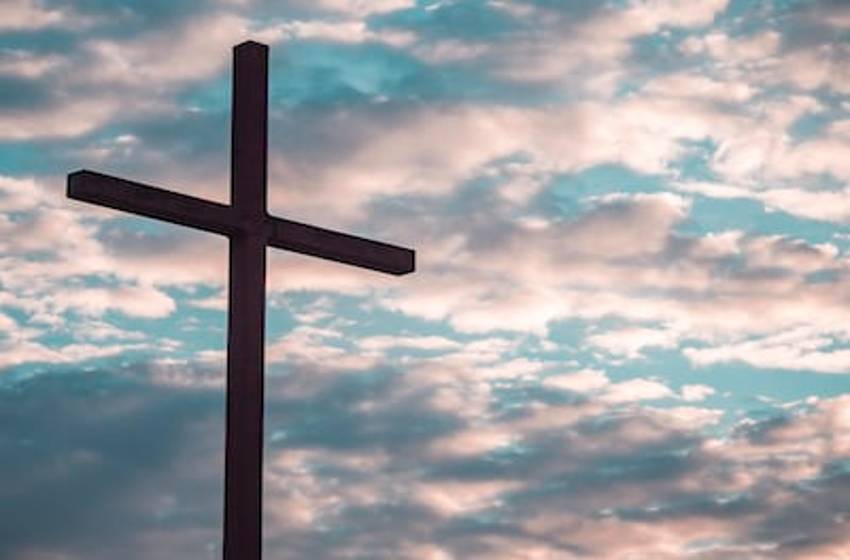
On Good Friday, a cross, symbolic of the one on which Jesus was crucified, is unveiled in many churches. It is believed that Jesus rose from his grave on the following Sunday, which is celebrated as Easter. The rituals for Good Friday begin on the preceding Thursday. A feast symbolizing the last supper of Christ is held on Thursday night. The end of this meal marks the beginning of the fast for Easter. The Celebrations

The Celebrations In Panjim, hundreds of devout Goan Catholics gather in the Panjim Church of Mary Immaculate Conception to listen to mass and participate in the Way of the Cross. During the afternoon sermon, the priests narrate the sufferings that Jesus Christ took upon himself for the sake of humanity. The mass is in Konkani, Goa’s state language attracts a crowd too large for the church itself, and people stand in the doorways and in the premises, dressed in formal clothes with sombre countenances.

The Ceremony

After the mass, the crucifix, which until this time has been kept from view, is now uncovered before the crowd for veneration. A very sombre ceremony, “the Way of the Cross” is a reenactment of the path Jesus took on Mount Calvary before the Crucifixion. In Panjim, which draws the largest crowd, a large wooden cross carried by an image of Jesus is taken from the church, down the steps, and through the streets of the town. It is carried by the clergymen while the crowd follows in two parallel lines in front of and in back of the statue, some weeping and all with very solemn faces.

Those not participating in the actual procession look on from the roadsides, both Hindus and Christians alike. Somber music played by a band accompanies the procession, which slowly winds its way through the main streets in Panjim before returning to the church. The mass and procession occur in every church in Goa, but the one in Panjim draws the largest crowd.