Semester Exams: Ways To Prepare Them

Semester Exams

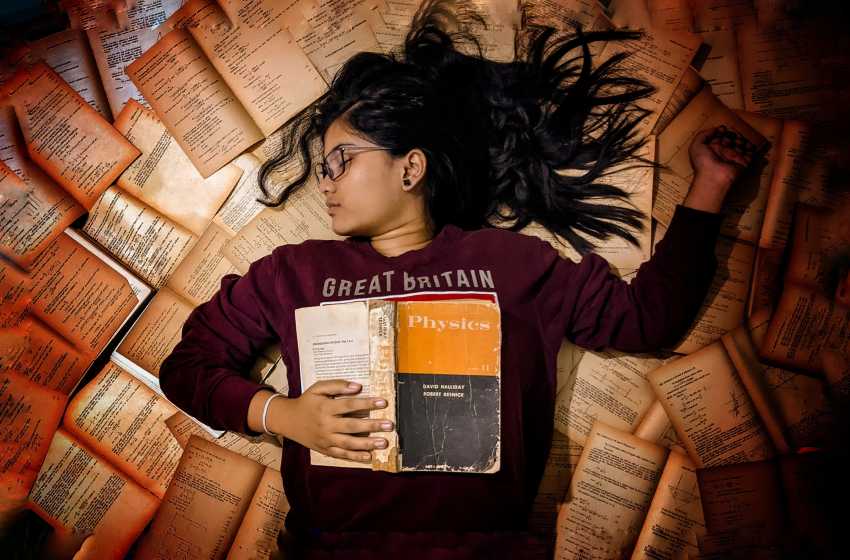
Many students shudder at the thought of semester exams. Semester exams are especially difficult for those who haven’t done well in smaller tests that cover a smaller portion of the syllabus. By not preparing on time, you lose out on the information and pile up work right before the examinations. If you haven’t studied so far and are worried about how to pass the examinations, do not panic. Here are a few simple steps to help you prepare for the semester exam without having to sit late at night. But it is important to understand that these techniques work only when you are consistent and sincere in your efforts. Through effective time management and a methodical study routine, you will be able to prepare for the examinations in a very short time. Here’s how:

Do not panic: Before starting out you need to calm yourself and not panic. Because panicking doesn’t allow you to work efficiently and think clearly. So first calm your mind and then start strategizing to prepare for the examinations.

Prepare a chart: Prepare a chart on the subjects you need to study. Break down these subjects into the topics and chapters that need to be studied. Prepare bullets on what are the most important topics that can be asked in the question.

Time Management: You will have to think realistically about how much time you can dedicate to each subject and each topic or chapter. Cut down on the time that your spend watching TV or playing cricket and invest that time in studying an extra chapter. Take out enough time for having your meals and sleep. Do not compromise on your food and sleep as you need to have all the energy to study and complete the syllabus.

Find old test papers: Old test papers will help you focus on the important topics, learn and revise them faster. You can take the help of a friend in this. Ask him to find out common questions in old question papers and compare your findings. You can share your findings with him. You can also discuss and share answers with your friend to these questions.
Go through your notes and other handouts: Your notes and handouts are the best material to learn from when you are short of time. If you do not have all the notes then you can ask one of your friends for his to copy them

.
Make Academics Your Priority: As you have very little time at hand, you will have to sacrifice little joys such as watching TV, playing games, playing cricket for long, etc. Focus more on your studies. Of course, do not give up on recreation totally, but refrain from indulging in anything that hooks you to it. Go for a stroll near your house in between studies or read a book to refresh your mind.

Do not get anxious: Do not get overly anxious. Since you are racing against time to complete your syllabus, it may seem difficult in the beginning. But keep your cool and continue studying without worrying.
Prepare a final exam study schedule: Prepare a timetable on when and how you intend to complete the syllabus, mark up a section for revision, and practice old test papers. With a solid plan in place, all you need to do is execute. Keep your study table clutter-free, keep your study materials handy and make sure you have enough food and rest. This way you will be able to prepare well for your semester exams

The Best Libraries In The World

Libraries

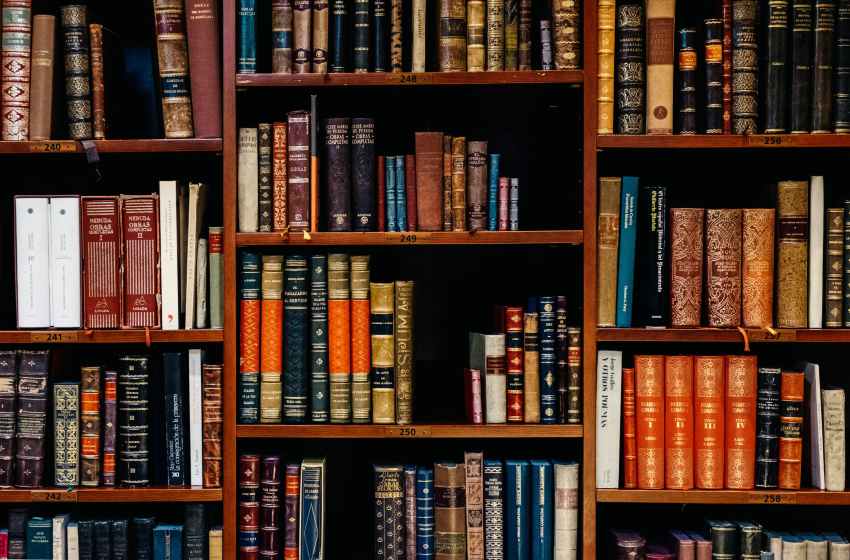
Books are man’s best friends-this is an old English adage that rightly describes the friendship that lasts a lifetime. Libraries are the treasure troves of books that have an unfathomable amount of knowledge locked up in them. Some of the greatest libraries in the world are the embodiment of beauty and splendid architecture. These libraries are not just a reading space but have emerged as cultural centers and are the hotspot of activities in the regions they are located in. They have become centers for interactions, discussions, and debates for intellectuals and contain a wide variety of books on different subjects by authors from all around the world. Here’s a list of some of the best libraries in the world.

New York Public Library, New York
The New York Library is one of the most recognizable libraries in the world as it has served as the backdrop of movies such as The Day After Tomorrow and Ghostbusters. It is the third-largest library in North America houses 87 smaller libraries and serves 3.5 million people. The sheer scale of the library inspires awe in a spectator. The Rose Main Reading room is beautifully crafted. The library has a collection of more than 500 million items, which also includes the first Gutenberg Bible that came to America.

Boston Public Library
The Boston Public Library is the second largest library in the US. It was established in 1848 and contains about 22 million items. The McKim Building was built in 1895 and contains many beautiful murals. The most notable among these murals is the one of Edward Abbey which depicts the story of the Holy Grail. The research hall of the McKim building houses more than 1.7 million curios including ancient manuscripts and Shakespearean documents.

Library of Congress, Washington DC
The Library of Congress in Washington DC is the largest library in the world. It is open to the public but only members of Congress and other important government officials are allowed to access the books. The Library of Congress is also considered as the ‘library of last resort’ and ensures that certain items are made available to smaller libraries in the country. The library houses 32 million books, a copy of the Gutenberg Bible, more than 61 million ancient manuscripts, and more than 1 million copies of newspapers from the past three decades.

The Library of Alexandria, Egypt
The Library of Alexandria is counted among the Seven Wonders of the World. It was rebuilt over-expenditure of $220 million and was completed in 2002. It also serves as a community center and has a museum, planetarium, a manuscript restoration center, smaller libraries for children, adults, and the blind. There are about 8 million books in this beautiful library.

George Peabody Library, Maryland
This library is often referred to as the ‘Cathedral of Books’. It has very beautiful interiors with classic black and white flooring, a 61 feet high atrium, and golden columns. It is renowned for housing the early editions of the Don Quixote collection. The George Peabody Library is a part of Johns Hopkins University. It was originally a part of the Peabody Institute till it passed on to Johns Hopkins in 1982.