Sleep Schedule: Importance & Tips for Better Sleep

How To Achieve a Good Sleep Schedule

Sleep is very important for a person’s overall well being, physical as well as mental. A sound sleep over the night ensures that your body is well rested and restored for carrying out its activities the next day. However, in the present age, many people are plagued with sleep disorders or erratic sleep schedules and sleep anxiety.

Science Behind Sleep Schedules

Sleep helps the brain work properly which helps in learning and solving problems as it builds a stronger cognitive function. Poor sleep patterns can affect your decisions, behaviour and emotional state of mind. It may lead to depression and other mental illnesses.

Sleep also helps repair our heart and blood vessels and deficiencies can cause increase in blood pressure, stroke, diabetes, heart ailments and kidney diseases. It also increases the risk of obesity and decreases immunity. 

Common Sleep Disruptors:

  • Blue light from screens before bed.
  • Irregular sleep patterns and their effects on mental and physical health.
  • Stress, caffeine, and poor diet habits affecting sleep.

How To Achieve a Good Sleep Schedule

Therefore it is imperative to have a good sleep schedule which can be achieved by following the below methods:

1. Maintaining a regular sleep

schedule It is advisable to maintain a schedule where you sleep and wake up at the same time, even on weekends. The body has an internal clock that attunes itself to the schedule it follows everyday and it knows when it is time to sleep. You can do some calming activities prior to sleeping such as listening to soothing music or having a hot shower which relaxes your mind.

2. Don’t have caffeine

Caffeine awakens the body and instead of inducing sleep, you will feel more energetic. Limit your caffeine intake to mornings and day time and don’t take coffee or colas 6 hours prior to your sleeping time.

3. Morning should involve sunshine

Just as darkness indicates that it is time to sleep, sunshine indicates that it is time to wake up. When you wake up in the morning, open your curtains and windows to let the sunshine come in or take a walk in the sunshine. This charges your body indicating that the day has started.

4. Minimize disturbances

Ensure that your sleeping room is dark, quiet and, neither too hot nor too cold for an optimum sleep. Darkness tells your body that it is sleeping time and relaxes your muscles which will help you sleep better. It is better to dim the lights and cut off the noise. If you are in an area where there is a lot of road noise, try using earplugs to silence out the sounds for a peaceful sleep. The room temperature should also be pleasant.

5. Don’t smoke, avoid alcohol and heavy meals

You should limit your intake of alcohol before sleeping and don’t smoke prior to sleeping. Intake of high calories should be left to the day meals and dinner should include lighter meals so that your stomach is at ease and doesn’t spend a lot of time digesting your food.

6. Exercise regularly

The benefits of exercise cannot be undermined. Exercise helps you to cut down the fat and strengthens the body by increasing metabolism and building muscles. It also improves your blood circulation and makes you more alert and active. It also improves sleep. Intense workout should be avoided at nights / evenings and should be carried out in the mornings / day as this may interfere with your sleep. Lighter exercise such as walking or stretching should be done at night.

7. Short Naps

Don’t sleep for many hours in the afternoon as the body can get confused and mistake your nap for your sleep time. A short nap for about 20 – 30 minutes is restorative which can boost your energy levels but this should not be overstretched. It may hamper your sleep at night.

8. Don’t use an alarm clock

The body has an internal clock and if you follow a regular pattern of sleeping, the body will attune itself to wake up at precisely the same time the next day. Try building up a schedule for a few days and then notice that you wake up at the same time the following day. This will help you sleep better where you won’t have to depend on an alarm clock to wake you up.

9. Adjust to new time schedule

In the event that you are travelling, try to minimize jet lag by adjusting your sleep pattern to the time zone of the area you will be travelling to. Before travelling, try to move your bedtime closer to the bed time of the new city.

Saralstudy suggests to implement these tips for a better and healthy sleep. You can also use sleep-tracking apps for monitoring your sleep.

Also Read: Health Education – Purpose and Importance

Earthquake in Delhi-NCR Today

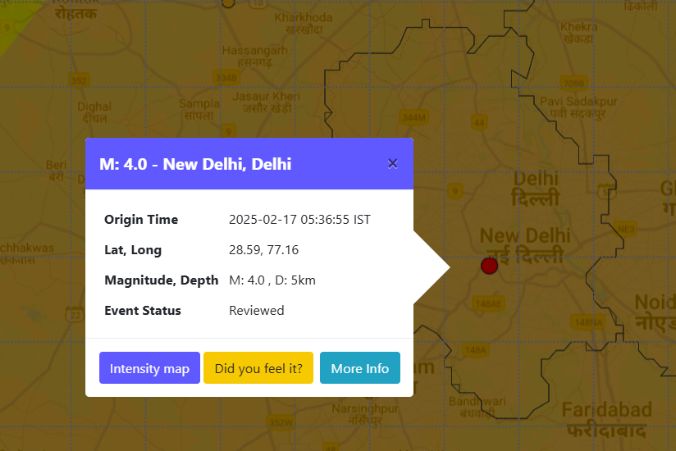
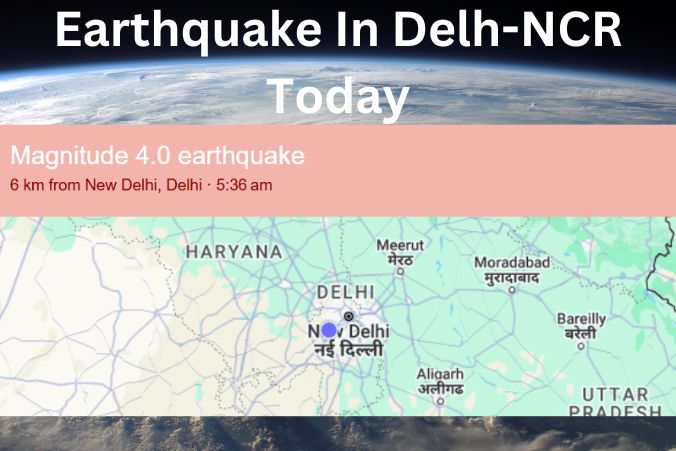
earthquake in Delhi-NCR on 17 Feb 2025

In the early hours of Monday, February 17, 2025, residents of Delhi and the National Capital Region (NCR) experienced significant earthquake tremors. The seismic activity occurred around 5:35 AM, prompting many to evacuate their homes in alarm.

Reports indicate that the tremors were felt not only in Delhi but also in neighboring areas such as Noida, Gurugram, and Faridabad. As of now, there have been no immediate reports of damage or casualties. Authorities are closely monitoring the situation and have advised the public to remain vigilant and follow safety protocols. Further updates will be provided as more information becomes available.

earthquake today

What to Do After an Earthquake

Experiencing an earthquake can be terrifying, but your safety depends on the steps you take immediately after the tremors stop. Here are crucial precautions to follow:

1. Be Prepared for Aftershocks

Aftershocks can occur within minutes, hours, days, or even weeks after the main earthquake. These smaller tremors can further damage buildings and cause loose debris to fall. Stay alert and move to a safe location if necessary.

2. Check for Injuries and Help Others

Examine yourself and those around you for injuries. Provide first aid if necessary and seek medical help for serious conditions. Avoid moving severely injured individuals unless they are in immediate danger.

3. Avoid Open Flames in Damaged Buildings

Gas lines may have ruptured during the earthquake, increasing the risk of fire or explosions. Do not use lighters, matches, or any other open flames until you’re sure there are no gas leaks. If you detect a gas leak, evacuate the area and report it to the authorities.

4. Stay Away from the Beach and Coastal Areas

If you live near the coast, move to higher ground immediately. Earthquakes can trigger tsunamis, leading to sudden and dangerous flooding. Wait for official announcements before returning to low-lying areas.

5. Inspect Your Surroundings for Hazards

Check your home or building for structural damage, such as cracks in walls, broken windows, or exposed wiring. If you suspect severe damage, evacuate and avoid entering until it is deemed safe by professionals.

6. Be Cautious While Driving

Roads and bridges may have suffered damage, making travel unsafe. Drive carefully, follow emergency routes, and be prepared for traffic delays. Traffic lights may be out, so approach intersections with caution.

7. Stay Informed and Follow Official Instructions

Listen to emergency broadcasts on the radio, TV, or mobile alerts for updates. Authorities will provide instructions regarding evacuations, road closures, and emergency shelters.

8. Conserve Communication Resources

Only make phone calls when absolutely necessary to keep lines open for emergencies. Use text messages or online communication to check in with family and friends.

By staying alert and following these guidelines, you can reduce risks and ensure your safety after an earthquake.

Saralstudy will keep updating on earthquake today in Delhi-NCR, as soon we get any updates from National Center for Seismology.

Top 10 Causes of Earthquake

Also Read: Top 10 Worst Earthquakes of India

महाकुंभ 2025 दर्शन के लिए ज़रूरी गाइडलाइन्स: जाने से पहले इन बातों का रखें ध्यान

महाकुंभ 2025 दर्शन के लिए ज़रूरी गाइडलाइन्स

महाकुंभ 2025 एक भव्य आयोजन है, जहाँ करोड़ों श्रद्धालु पुण्य लाभ के लिए आते हैं। यदि आप भी इस बार महाकुंभ में जाने का विचार कर रहे हैं, तो यात्रा को सुगम और सुरक्षित बनाने के लिए इन ज़रूरी बातों को ध्यान में रखें।

महाकुंभ 2025 यात्रा: जाने से पहले इन 14 बातों का रखें ध्यान

महाकुंभ 2025 में जाने से पहले जानें ज़रूरी बातें: भीड़, रूट, पार्किंग, सरकारी बसें, लोकल पुलिस से जानकारी, स्नान के सही घाट, और दो दिन की यात्रा की सलाह।

वैसे तो महामुकंभ की बहुत सारी तैयारी सरकार ने कर रखी है, लेकिन हम आपको वहां जाने के लिए तैयार करने वाली तैयारी अपने अनुभव के आधार पर दे रहे हैं।
किसी भी दशा में आप कम से कम 4-5 किलोमीटर चलने के लिए तैयार रहें। और अगर ज्यादा हो गई तो 15 किलोमीटर तक भी चलना पड़ सकता है।

1. भीड़ और परिवर्तित मार्गों की जानकारी

महाकुंभ में भीड़ के हिसाब से रास्ते और पार्किंग की व्यवस्था बदलती रहती है। प्रशासन ट्रैफिक को सुचारू रखने के लिए समय-समय पर नए रूट निर्धारित करता है। इसलिए यात्रा के दौरान लोकल पुलिस और सरकारी स्टाफ से सही मार्ग और पार्किंग की जानकारी लेते रहें।

2. सरकारी बसें उपलब्ध हैं, लेकिन इंतज़ार करना पड़ सकता है

महाकुंभ के दौरान सरकारी बसों की संख्या पर्याप्त होती है, लेकिन यात्रियों की भीड़ अधिक होने के कारण कभी-कभी लंबा इंतज़ार करना पड़ सकता है। बेहतर होगा कि आप पहले से यात्रा की योजना बनाएं और वैकल्पिक साधनों का भी ध्यान रखें।

3. लोकल पुलिस और सरकारी कर्मचारियों से मार्गदर्शन लें

अगर आप पहली बार महाकुंभ जा रहे हैं, तो किसी भी तरह की समस्या होने पर स्थानीय पुलिस और सरकारी कर्मचारियों से सहायता लें। वे आपको सही रूट, स्नान घाट और ज़रूरी सुविधाओं की जानकारी दे सकते हैं।

4. छोटे सामान के लिए रिक्शा सुविधा

सामान ढ़ोने वाले रिक्शे - प्रयागराज
सामान ढ़ोने वाले रिक्शे – प्रयागराज

अगर आपके साथ बुजुर्ग या बच्चे हैं, तो छोटे सामान के लिए सामान ढोने वाले रिक्शा सुविधा उपलब्ध है। ये रिक्शे आपको केवल 1 से 1.5 किलोमीटर तक ही ले जा सकते हैं। स्वस्थ और जवान लोगों के लिए यह सेवा उपयोगी नहीं होगी, लेकिन परिवार के लिए यह सहायक हो सकती है।

5. देर रात ऑटो स्टैंड तक पहुँचना बेहतर होगा

अगर आप देर रात महाकुंभ से लौट रहे हैं, तो कोशिश करें कि किसी भी तरह ऑटो स्टैंड तक पहुँच जाएं। वहाँ से नेहरू पार्क बस अड्डा और रेलवे स्टेशन के लिए रात 10 बजे तक सरकारी बसें उपलब्ध रहती हैं।

6. लखनऊ से लाई गई 700 पीली सरकारी बसें

महाकुंभ की भीड़ को ध्यान में रखते हुए, लखनऊ से 700 सरकारी इलेक्ट्रिक बसों को प्रयागराज लाया गया है। इससे यात्रियों को आने-जाने में सुविधा होगी। हालाँकि ज्यादा भीड़ के कारण आपको इंतज़ार करना पड़ सकता है। 

महाकुंभ 2025 दर्शन - संगम घाट - ६ फरवरी २०२५
संगम घाट – ६ फरवरी २०२५

7. सुबह जल्दी पहुँचना सबसे अच्छा रहेगा

अगर आप भीड़ से बचना चाहते हैं, तो प्रयागराज सुबह-सुबह अंधेरे में ही पहुँचने का प्रयास करें। इससे आपको ना केवल सड़कों पर भीड़ कम मिलेगी बल्कि घाटों पर भी आसानी से स्नान करने का अवसर मिलेगा।

8. सुबह 8 बजे के बाद भीड़ और रूट में बदलाव

सुबह 8 बजे के बाद स्थानीय लोगों के स्कूल और ऑफिस जाने का समय शुरू हो जाता है, जिससे शहर की सड़कों और घाटों पर भीड़ अधिक बढ़ जाती है। इसलिए कोशिश करें कि सुबह 8 बजे से पहले अपनी यात्रा पूरी कर लें।

9. इस बार शहर में बोर्ड परीक्षा केंद्र नहीं दिए गए

महाकुंभ के कारण प्रयागराज शहर में इस बार बोर्ड परीक्षाओं (CBSE Board Exam and others) के लिए कोई परीक्षा केंद्र नहीं दिया गया है। ऐसा भीड़ और परिवहन व्यवस्था के व्यवधान को रोकने के लिए किया गया है।

10. प्रयागराज के स्थानीय लोगों के लिए कठिनाई

महाकुंभ के दौरान प्रयागराज के स्थानीय निवासियों को अपने ही शहर में यात्रा करने में कठिनाई होती है। भीड़ और ट्रैफिक जाम के कारण उनके दैनिक कार्य प्रभावित होते हैं।

11. केवल संगम घाट पर स्नान की ज़िद न करें

महाकुंभ में सभी श्रद्धालु संगम घाट पर ही स्नान करना चाहते हैं, लेकिन गंगा मैया हर जगह पवित्र हैं। इसलिए अगर संगम घाट पर अधिक भीड़ हो, तो किसी भी अन्य घाट पर स्नान कर सकते हैं।

12. 6 फरवरी 2025 को संगम घाट 30 नंबर पर भीड़ कम थी

अगर आप किसी कम भीड़ वाले घाट की तलाश में हैं, तो संगम घाट के अन्य हिस्सों का रुख कर सकते हैं। हमने 6 फरवरी 2025 को संगम घाट 30 नंबर से स्नान किया और वहाँ भीड़ कम थी।

13. रूट और सामान्य जानकारी के लिए स्थानीय लोगों की मदद लें

महाकुंभ में रूट और अन्य सुविधाओं से जुड़ी जानकारी के लिए स्थानीय लोगों की मदद लेना ज़रूरी हो सकता है। सरकारी दिशा-निर्देश और संकेत बोर्ड हर जगह स्पष्ट रूप से उपलब्ध नहीं होते, इसलिए स्थानीय लोगों से मार्गदर्शन लेना फायदेमंद रहेगा।

14. परिवार के साथ जाएं, तो 2 दिन का समय लेकर जाएं

अगर आप अपने परिवार के साथ महाकुंभ में जा रहे हैं, तो हमारी सलाह है कि कम से कम 2 दिन का समय रखें। महाकुंभ के दौरान बहुत अधिक चलना पड़ता है, इसलिए जल्दबाज़ी में यात्रा करना कठिन हो सकता है।

निष्कर्ष

महाकुंभ 2025 एक विशाल धार्मिक और सांस्कृतिक आयोजन है। अगर आप अपनी यात्रा को सुखद और आसान बनाना चाहते हैं, तो उपरोक्त गाइडलाइन्स को ध्यान में रखें। सही योजना, स्थानीय लोगों की सहायता और प्रशासनिक निर्देशों का पालन करके आप अपने महाकुंभ अनुभव को यादगार बना सकते हैं।

अस्वीकरण

यहाँ दी गयी सारी जानकारी लेखक के अपने महाकुम्भ यात्रा के अनुभव और वह के स्थानीय लोगो से बातचीत पर आधारित है। आपका अपना अनुभव अलग हो सकता है। लोगो को जानकारी देने के इस क्रम में हम आपका सुझाव और कमैंट्स जरूर जानना चाहेंगे।

Also Read: Sangam City Prayagraj: History, Significance, and Kumbh Mela

Sangam City Prayagraj – History, Significance, and Kumbh Mela

Sangam City Prayagraj - History, Significance, and Kumbh Mela

Prayagraj, formerly known as Allahabad, is a city of historical and religious importance in the Indian state of Uttar Pradesh. It is called Tirtharaj (King of Pilgrimages) in Hinduism, as it is located at the holy confluence of the rivers Ganga, Yamuna and the invisible Saraswati. Prayagraj is not only important from a spiritual point of view, but it also has a rich historical and cultural significance.

Ancient History of Prayagraj

Prayagraj is mentioned in the Rigveda, Mahabharata, Ramayana and Puranas. It was called Prayag, which means “land of sacrifices“. According to Hindu scriptures, Brahma ji performed yajna here before the creation of the universe, making this place extremely sacred.

During the Mahabharata period, the Pandavas came to Prayagraj during their exile and bathed in the Sangam here. In the Gupta period (4th-6th century) this area became a major center of knowledge and cultural activities.

During the Mughal period, this area gained special importance and came to be known by a new name.

How did Prayagraj get the name “Allahabad”?

In 1583, the Mughal emperor Akbar built a new fort in the sacred area of ​​Prayag and named it Ilahabas, which means “place of Allah”. Later, this name became Allahabad.

Akbar made it an important center from administrative and military point of view, and Allahabad thereafter developed as a major settlement of the Mughal Empire.

Allahabad also gained special importance during the British rule. In 1858, the Government of India Act was announced here, which strengthened the British rule. Apart from this, Allahabad also played a major role in the Indian freedom struggle.

Restoration of the name Prayagraj

In 2018, the Uttar Pradesh government renamed this historic city as Prayagraj. The main reason behind this name change was that Prayagraj has originally been a center of Hindu religious faith, and “Prayag” has been mentioned in Hindu texts for thousands of years.

The government argued that the name “Allahabad” given by Akbar was intended to change the ancient and religious identity of the region. Therefore, its historical and cultural identity was restored by renaming it Prayagraj.

Sangam: The meeting place of three holy rivers

The Triveni Sangam located in Prayagraj is a very holy place in Hinduism, where the rivers Ganga, Yamuna and the invisible Saraswati meet. This place is considered very important from religious, spiritual and cultural point of view. Ganga is known for its cleanliness and fast flow, the water of Yamuna is relatively calm and deep, while the Saraswati river is believed to flow here invisibly.

Sangam Ghat Prayagraj
Sangam City Prayagraj – Meeting place of holy rivers, The Ganges, The Yamuna, and The Saraswati

It is believed that bathing in the Sangam destroys sins and leads to salvation. Crores of devotees take a dip here during the Kumbh and Ardh Kumbh fairs. Apart from this, many sages and saints had performed penance in the Sangam area, making this place even more divine and important.

Prayagraj and Kumbh Mela

Prayagraj is world famous for the Kumbh Mela. Once every 144 years, Maha Kumbh is organized here, in which crores of devotees come to take bath in Sangam. According to Hindu belief, bathing in Kumbh Mela leads to salvation.

The Kumbh Mela held in Prayagraj in 2019 was also recognized by the United Nations (UNESCO) as a cultural heritage.

Maha Kumbh 2025: World’s largest spiritual event

Mahakumbh 2025 is being held in Prayagraj from January 14 (Makar Sankranti) to February 26 (Mahashivratri), in which ~40 crores of devotees are expected to take holy bath in the confluence of Ganga, Yamuna and invisible Saraswati. This festival Mahakumbh, held every 144 years, is the biggest religious and cultural event of Hinduism, in which sanyasis, Aghoris, Naga Sadhus, saints and devotees gather.

Shahi Snan, religious rituals, spiritual discourses and cultural programs are its features. It is believed that bathing in the confluence during this time leads to salvation. Special preparations are being made regarding security, cleanliness and traffic management so that devotees can participate in this mega event without any hindrance.

World records in Mahakumbh 2025
  • Several important records have been set in Mahakumbh 2025. On the occasion of Makar Sankranti (14th January 2025), about 4 crore devotees took a dip in the Sangam in a single day, which is a new record. Source: etvbharat.com
  • Additionally, four Guinness World Records were set during Mahakumbh: the largest e-rickshaw parade, the largest river cleaning drive, the most handprint paintings in eight hours, and the largest coordinated cleaning drive.source: timesnowhindi.com
  • On the day of Mauni Amavasya (29 January 2025), Mahakumbh Nagar became the largest temporary city in the world, where more than 8 crore devotees took a dip in the Sangam. source: moneycontrol.com

These achievements have made Mahakumbh 2025 historic.

Importance of Kumbh Mela

According to Hinduism, when the Amrit Kalash came out during the churning of the ocean between the gods and the demons, some of its drops also fell in the Sangam of Prayagraj. For this reason, Kumbh Mela is organized on the banks of Sangam.

Kumbh Mela is held in four holy cities—Prayagraj, Haridwar, Ujjain and Nashik. It is held at different intervals:

  • Prayagraj (Allahabad) – Triveni Sangam
    Mahakumbh every 12 years, Ardh Kumbh every 6 years
  • Haridwar – Ganges bank
    Kumbh Mela every 12 years
  • Ujjain – Shipra river bank
    Simhastha Kumbh every 12 years
  • Nashik – Godavari river bank
    Kumbh Mela every 12 years
Special events:
  • Mahakumbh is held only in Prayagraj every 144 years (12 Kumbh cycles).
  • Ardh Kumbh is held only in Prayagraj and Haridwar every 6 years.
  • Simhastha Kumbh is held only in Ujjain.

These fairs are held based on the special position of the planets and constellations and have special spiritual and cultural significance in Hinduism.

Prayagraj: A religious and cultural pilgrimage place

  • Triveni Sangam: The meeting place of Ganga, Yamuna and the invisible Saraswati, which is one of the holiest pilgrimage places for Hindus.
  • Akbar’s Fort: A masterpiece of Mughal architecture, located near Sangam.
  • Anand Bhavan: The historic residence of the Nehru family, where many important events of India’s freedom struggle took place.
  • Khusro Bagh: Tomb of Mughal prince Khusro, surrounded by a splendid garden.
  • Swaroop Rani Hospital: Many revolutionaries were treated here during the freedom struggle.

How to reach Prayagraj?

Prayagraj is well connected to major cities of India by road, rail and air.

  • Railway: Prayagraj Junction is connected to all major railway stations of the country, and regular trains are available from here to Delhi, Mumbai, Kolkata, Chennai, etc.
  • Roadway: Prayagraj is connected to national and state highways of Uttar Pradesh. It can be easily reached by road from Lucknow, Varanasi, Kanpur, etc.
  • Airway: Prayagraj has a domestic airport, which is connected to Delhi, Mumbai and other major cities. The nearest international airport is located in Lucknow.

Famous people of Prayagraj

Prayagraj has given birth to many great personalities who have contributed to India’s freedom struggle, politics, literature, art and science.

  • Pandit Jawaharlal Nehru: The first Prime Minister of India, who was born and brought up in Prayagraj.
  • Dr. Harivansh Rai Bachchan: Great poet of Hindi literature, who wrote immortal works like “Madhushala”.
  • Mahadevi Verma: Famous poetess of the Chhayavaad era, who received the Jnanpith Award for her unprecedented contribution to Hindi literature.
  • Subhadra Kumari Chauhan: Famous poetess of the freedom struggle, who wrote the poem “Jhansi Ki Rani”.
  • Motilal Nehru: Freedom fighter and prominent member of the Nehru family.
  • Dhyanchand: Great player known as the magician of hockey.
  • Amitabh Bachchan: Bollywood superstar, who did his studies from Prayagraj.

Conclusion

Prayagraj is not only a religious pilgrimage site, but its historical, cultural and political importance is also incomparable. This place is a centre of spiritual consciousness and is famous all over the world for Kumbh Mela, Triveni Sangam, and ancient religious traditions.

Through the name change, Prayagraj has got an opportunity to regain its ancient identity, religious glory, and cultural significance. This city is an important part of Indian culture and history, which will continue to attract devotees and tourists in the times to come.

Also Read: APAAR Card: Your Key to Simplified Academic Records

Bardo Chham Dance: Cultural Heritage of Arunachal Pradesh

Bardo Chham Dance: Cultural Heritage of Arunachal Pradesh

Bardo Chham dance is a famous folk dance of the state of Arunachal Pradesh, India. This dance is a traditional dance performed by the Sherdukpen community there. The Sherdukpen community believes that the effect of man’s deeds remains even after his life and death. This dance depicts the struggle between good and evil based on this belief.

Meaning of Bardo Chham:

The meaning of Bardo Chham dance is ‘the spiritual journey between death and rebirth’. It is based on buddhist belief.

Word by word meaning of Bardo Chham dance

  • Bardo: In Tibetan Buddhism, “Bardo” means the state between death and rebirth.
  • Chham: In Tibetan language, “Chham” means dance.

History of Bardo Chham

This dance symbolizes the teachings given by Guru Padmasambhava, also known as the Second Buddha. His teachings were discovered as a hidden treasure by the great Buddhist master Terton Karma Lingpa and have been spiritually preserved since then.

Theme and significance of the dance:

  • This dance is based on the stories of good and evil.
  • Inspires people to live a virtuous life and stay away from sinful acts.
  • The fight against evil forces is displayed through dance.

How is this dance performed?

  • The dancers wear colourful masks that symbolize different animals.
  • The dance is performed to the beat of a large frame drum, which is played with a wooden stick.
  • The expressions and dance postures of the dancers are designed to convey a spiritual message to the audience.
Bardo Chham Dancer Wearing Colorful Masks

When is this dance performed?

This dance is performed on festivals and special occasions. It is usually performed at religious and cultural events.

Conclusion:

Bardo Chham is not only practiced by the Sherdukpen tribe in West Kameng but also in all Himalayan regions where Buddhism is followed. “Bardo” means “intermediate state”, and there are six bardos in Buddhist philosophy.

This dance of Arunachal Pradesh depicts the events that happen in the intermediate state after death and before rebirth. This dance does not depict the monthly inauspicious events as may be the common perception.

The dance reflects the rich culture of Arunachal Pradesh. It also conveys the message of virtue, religion and enlightenment. This and similar traditional folk dances are an important means of preserving the cultural heritage of a particular community and imparting spiritual education to future generations.

Also Read: Arunachal Pradesh: The Land of Rising Sun

7 Effective Ways to Work Out Without the Gym

7 Effective Ways to Work Out Without the Gym

7 Effective Ways to Work Out Without the Gym: Health is an important factor in a student’s life. A healthy student learns better. Most students seem to understand this as a number of youngsters are joining gymnasiums and health clubs to keep themselves healthy and in shape. But during exam times, most of them miss their workout sessions at gyms and get busy with their books.

Stay Fit Anywhere – Work Out Without The Gym

There are plenty of ways to work out without hitting the gym. From bodyweight exercises to outdoor activities, you can achieve your fitness goals with minimal or no equipment. In this guide, we explore the best gym-free workout options to keep you active and healthy.

7 Activities To Keep You Healthy Without Hitting The Gym

So if you are someone agonizing over missing your workout sessions at the gym because of your examinations, here are a few easy tips that you can use to work out at home. These will not only help you keep yourself fit, but are also effective in stress removal and are useful exam days relief providers.

1. Dancing

Dancing is very effective in stress removal. For those of you who love to dance, this exercise should not be very difficult. So the next time you feel stressed during your study time:

  • Take a break
  • Play your favourite dance number on your music player, and 
  • Dance until you sweat

This will refresh you and help you concentrate better the next time you sit to study.

2. Toothbrush squats

You can exercise while you are brushing your teeth. 

  • Stand against the wall while brushing and keep your legs two feet apart. 
  • Now slide down your back and come to a sitting position. 
  • Stay in the position for as long as you can and come back to the standing position. 
  • Repeat this as many times as you can while you are brushing your teeth. 

This exercise works wonders in toning your rear and legs!

3. Outdoor Workouts

Nature provides the perfect setting for an invigorating workout. Outdoor workouts not only help you stay fit but also boost mental well-being. Here are some great options:

Best Outdoor Exercises:
  • Running or Jogging – Great for cardio and endurance.
  • Cycling – Strengthens legs while being easy on joints.
  • Stair Climbing – A powerful lower-body and cardio workout.
  • Park Bench Workouts – Use a bench for step-ups, triceps dips, and push-ups.
  • Hiking – Combines strength, endurance, and scenic views!
Walking is the best exercise

Do not spend all your time sitting with your books. Take short breaks and go out and take a walk. If you have a dog, take it with you. Go to a nearby park and spend some time walking around. This activity too is a great stress buster and is effective in providing exam days relief.

Fitness Challenge: Set a daily step goal (e.g., 10,000 steps) and track your progress with a fitness app.

Additional benefits of outdoor exercise

Exercising outdoors exposes you to fresh air and vitamin D from sunlight.

4. Take the stairs

Take the stairs instead of the elevator the next time you have to climb up to your house or while visiting a nearby mall. This will help you work out your leg muscles and tone your bottom without having to spend time at the gym.

5. Bodyweight Exercises Without Equipment

Bodyweight workouts are an excellent way to build strength, endurance, and flexibility without needing a gym. Here are some effective moves:

Full-Body Workout Routine:
  • Squats (15 reps) – Strengthens legs and glutes.
  • Push-ups (10 reps) – Targets chest, arms, and core.
  • Lunges (12 reps per leg) – Improves leg and hip strength.
  • Plank Hold (30 seconds) – Enhances core stability.
  • Jumping Jacks (30 seconds) – Boosts cardiovascular fitness.

Tips: Perform 3 rounds of this routine for a full-body workout in just 15–20 minutes!

6. Home Workouts

If you prefer staying indoors, home workouts are a fantastic way to stay fit. You can even use household items as makeshift gym equipment!

Easy Home Workout Ideas:
  • Resistance Band Training – Adds intensity to strength exercises.
  • Yoga & Stretching – Improves flexibility, posture, and relaxation.
  • Dumbbell Workouts – If you have weights at home, they can enhance strength training.
  • Dance Workouts – Burn calories while having fun!
Pro Tip for home workouts

Try following free online workout videos to keep things interesting.

7. Fun & Creative Ways to Stay Active

Sticking to a workout routine doesn’t have to feel like a chore! Here are some unique and engaging ways to stay active:

  • Skipping Rope – A fantastic full-body cardio workout.
  • Martial Arts or Boxing – Great for strength, agility, and self-defense.
  • Playing Sports – Engage in activities like basketball, soccer, or badminton.
  • Household Chores – Cleaning, gardening, or even dancing while cooking can burn calories!
  • Ride your bicycle to school – Chuck the school bus and ride your bicycle to school at least twice a week. This will not only exercise and tone your body, but will refresh your mind. It will also increase your metabolism and burn some calories.

Also Read: Physical education given priority to curb rising childhood obesity in China, know the new guidelines

Make Exercise A Non-negotiable Thing in Your Life

The key to consistency is motivation. Here’s how to stay on track:

  • Set Realistic Goals – Define what you want to achieve (e.g., weight loss, muscle gain, stamina boost).
  • Find a Workout Buddy – Exercising with a friend keeps you accountable.
  • Create a Playlist – Energizing music can make workouts more enjoyable.
  • Mix It Up – Try different workout styles to avoid boredom.

Fitness is a journey, not a destination. Enjoy the process!

Conclusion

Student health is not restricted only to physical fitness. Mental and emotional health too plays an important role in the life of a student. During exam times, when the stress level is high, it is important that you relieve and refresh yourself by taking breaks during your study time. Use these breaks to work out your body using these simple techniques and stay fit and healthy without having to compromise with your study hours. So try these techniques today and stay fit and healthy, even without a gym!

Also Read: Yoga For Students: 5 Best Yoga Poses For Children

5 Reasons: Why Narendra Modi is the Best Prime Minister for India

Narendra Modi is the Best Prime Minister for India

Different people have different views about Narendra Modi, the Prime Minister of India. His resolve to make India a ‘no-corruption’ nation has even put his opposition in a tough spot. Isn’t that enough to make him the best Prime Minister for India can have?

Is Narendra Modi the Best Prime Minister For India?

Some call him anti-Muslim, some call him extremist Hindu, but no one can deny his intentions to develop India into a strong and powerful nation. He has even proved his mettle as a strong headed leader that India always needed in a number of difficult situations.

Key achievements during Prime Minister Modi’s tenure, along with their sources:

Indicator Data Source
Infrastructure Development India has embarked on an unprecedented infrastructure transformation under Prime Minister Narendra Modi, with a staggering Rs 111 trillion pipeline reshaping the nation’s roadways, railways, and aviation sectors. APAC News Network
Economic Growth Veteran investor Mark Mobius praised India’s 6-7% growth rate, attributing it to strong infrastructure development and a business-friendly environment. Narendra Modi Official Website
Global Leadership India’s international partnerships continue to thrive, exemplified by the burgeoning relationship with the UAE. The two nations are enhancing bilateral trade and investment, particularly in food trade. Narendra Modi Official Website


Here are 5 main reasons that make Shri Narendra Modi the best prime minister for India!

1. Decisive Stand

The decisive stand of the current Prime Minister Narendra Modi has left the country raving about his decision making abilities and strong will. This has been particularly important in cases where the question about the country’s internal security crops up. India has always remained on a back foot when it comes to facing security threats or the cases of cross border infiltration, which made its previous Prime Ministers act as mere ‘peacemakers’.

But, NaMo adopted a multi pronged policy, which doesn’t allow the country to bleed at the borders, instead it dealt with the terrorist threats successfully by isolating the neighbour using effective diplomatic relations and tools with the powerful nations.

2. Economic Leadership

Ever since the NaMo government came into power they have put a great focus on economic and financial development of the country. Even though he was criticized by masses for his tough stands on black money and demonetization he never seemed to budge from his decision despite the widespread public wrath. Also, the numbers that supported his ways of governance are doing all the talking as he remained mum over all the criticism.

The GDP has also seen a steep increase which is expected to soar in the coming years. Same way, the average inflation for India was 10.92 percent in the year 2103, which has went down to 6.00 percent in 2016 and 5.22% in 2024 (Data source: mospi.gov.in). The focused approach from the government under the guidance of Narendra Modi is sure to uplift the ailing Indian economy.

Infrastructure Development

Under the leadership of Prime Minister Narendra Modi, India has taken steps towards unprecedented infrastructure development. The government has launched the ₹111 trillion National Infrastructure Pipeline (NIP), which focuses on modernizing India’s roads, railways, airports and ports.

Key Infrastructure Development Projects:
  • Bharat Mala Project: Construction of 34,800 km of highways and expressways, which will reduce logistics costs and increase ease of doing business.
  • Sagar Mala Project: A comprehensive scheme to enhance India’s ports and maritime trade, which will boost exports.
  • Railway Modernization: Bullet train project, electrification of railway tracks and introduction of new Vande Bharat Express trains.
  • Air Connectivity: Under the UDAN scheme, smaller cities are being connected to the air network, making air travel more affordable and convenient.
Impact:
  • Logistics costs are reduced, thereby boosting exports and business activities.
  • Massive employment opportunities created.
  • Connectivity between rural and urban areas has improved, boosting overall development.

Economic Growth

India’s economy has been registering a steady GDP growth of 6-7% over the past few years, making it one of the fastest growing economies globally. Renowned investor Mark Mobius praised India’s economic growth and called it a result of a strong infrastructure and business-friendly environment.

Important Economic Reforms and Achievements:

Make in India initiative: Domestic and foreign companies were encouraged to invest in India, leading to growth in the manufacturing sector.

  • Digital India: Empowered small businesses and startups by promoting digital payments and e-governance.
  • Implementation of GST: Made doing business easier and transparent across the country, improving revenue collection.
  • Startup India: Transformed India into the world’s leading startup hub by providing tax benefits and financial support to new companies.

Impact:

  • Increase in foreign direct investment (FDI), making India a global business hub.
  • Creation of new employment opportunities, especially in technology and manufacturing sectors.
  • More support to small and medium industries, thereby promoting the Aatmanirbhar Bharat mission.

3. Popular Among Diaspora

No other PMs of India has ever made such sincere efforts to be a hero among the Indian diaspora. Ever since he joined the office, he has been consistent with his efforts to engage with the Indians living abroad. He gained wide audience and appreciation for his addresses in Johannesburg, California, Toronto and Dubai.

He not only brought a sense of pride among the Indians living abroad but also made efforts to make living conditions better for them outside their home land. NaMo has received a lot of appreciation, respect and support from NRI’s for referring them as the nation’s ambassadors abroad.

4. Empowering The Nation

During his address from the ramparts of the Red Fort, NaMo declared three words ‘Make In India’ that woke up the nation to its actual potential. For many decades our country has been grappling with a disease called unemployment, but our PM’s vision to transform India into one of the world’s greatest manufacturing hubs has breathed a new life into this dying dream.

Ever since he made the announcement, foreign investments have started pouring in about 25 different sectors that have immense growth potential. The ease of doing so has also brought a significant climb in business rankings. The other flagship campaigns of NaMo like Skills India and Digital India have started turning the nation into one of the best start-up incubation centers across the globe.

5. Global Leadership

India’s global diplomacy and international relations have seen unprecedented growth during the tenure of Prime Minister Modi. India has now become an important force on global platforms and is strengthening its position in international trade and strategic alliances.

Key achievements:

  • Trade relations with UAE: The Free Trade Agreement (FTA) came into force between the two countries, leading to increased trade.
  • Presidency of the G20: India successfully hosted the G20 summit in 2023, in which important decisions were taken on global economic cooperation and sustainable development.
  • Effective participation in QUAD and BRICS: India is strengthening strategic partnerships with the US, Japan, and Australia, promoting stability and trade in the Indo-Pacific region.
  • ‘Vasudhaiva Kutumbakam’ policy: India has prioritised climate change, green energy and sustainable development at global forums.

Impact:

  • India’s foreign policy has become more influential now.
  • India has become a preferred destination for global investors.
  • Strategic security and trade relations have strengthened.

Conclusion:

India has always remained a land of visionaries, thus it doesn’t come as a surprise when PM Narendra Modi shares his far sighted vision for India. He aims to make the nation a powerful one and not the part of third world countries anymore.

Under the leadership of Prime Minister Narendra Modi, India has recorded historic achievements in the fields of infrastructure, economy and global relations. The ₹111 trillion infrastructure plan, economic growth of 6-7% and India’s growing credibility at international forums show how the country is entering a new era. This progress is an important step towards making India self-reliant and a major power in the world.

Also Read: Narendra Modi: The Most Exciting Political Figure Among India’s Youth

Best Entrance Exams for Studying Abroad

Entrance Exams for studying abroad

The journey to studying abroad begins with clearing the right entrance exams, which play a crucial role in determining your eligibility for international education. These entrance exams for studying abroad are designed to assess various facets of a student’s capabilities, including language proficiency, subject knowledge, and aptitude. Selecting the right exam to take hinges on your chosen country, university requirements, and course type.

English Language Proficiency Entrance Exams For Studying Abroad: TOEFL, IELTS, and PTE

For most international students, English language proficiency tests like TOEFL, IELTS, and PTE are obligatory. They measure your ability to communicate effectively in English, a fundamental skill for thriving in an English-speaking academic environment. These tests are recognized globally and are essential for non-native English speakers aiming to study in countries like the USA, UK, Canada, Australia, and New Zealand.

Top English Language Proficiency Tests for International Students

When planning to study abroad, proving your English language proficiency is often a crucial step. Among the popular exams, the TOEFL (Test of English as a Foreign Language) and IELTS (International English Language Testing System) are the most widely accepted by universities around the world.

TOEFL (Test of English as a Foreign Language)

Administered by ETS, TOEFL evaluates your ability to use and understand English at the university level. The test measures all four language skills—reading, listening, speaking, and writing. TOEFL scores are accepted by over 11,000 universities in more than 150 countries, including the U.S., Canada, and Australia.

IELTS (International English Language Testing System)

Managed by the British Council, IDP: IELTS Australia, and Cambridge English, the IELTS test is another top choice. Like TOEFL, IELTS assesses your listening, reading, writing, and speaking abilities. Its scores are recognized by thousands of institutions in countries like the U.K., Australia, and New Zealand. It offers both Academic and General Training versions, with the Academic version being the right choice for university admissions.

PTE and Duolingo English test

Other notable mentions include the PTE Academic (Pearson Test of English), which provides faster results and is gaining acceptance in institutions worldwide, and the Duolingo English Test, known for its convenience and affordability.

Regardless of the test you choose, each one can significantly impact your university applications. Therefore, preparing thoroughly, understanding test formats, and meeting score requirements are essential steps towards achieving your study abroad dreams. Check the specific requirements of your prospective universities to ensure you’re taking the right test for your situation.

Undergraduate Admission Exams: SAT and ACT

Beyond language exams for studying abroad, many universities also require standardized admission tests. For undergraduate programs, the SAT and ACT are popular choices. These tests evaluate a student’s readiness for college-level work and are critical components of the application process in the United States.

Essential Standardized Admission Tests for Undergraduates

When planning to study abroad, one of the first hurdles you will face is standardized admission tests. These exams are a critical part of the application process for undergraduate programs across the globe. Knowing which test to take can make a big difference in your chances of getting into your dream university.

SAT (Scholastic Assessment Test)

The SAT is one of the most widely accepted standardized tests for undergraduate admissions, particularly in the United States. It evaluates mathematical skills, evidence-based reading, and writing. Scoring well on the SAT can significantly boost your application, especially if you are aiming for top-tier universities.

ACT (American College Testing)

Another popular option, especially in the U.S., is the ACT. This test covers four main areas: English, math, reading, and science, with an optional writing section. While both the SAT and ACT are accepted by most U.S. colleges, some students may find the ACT more aligned with their strengths, particularly if they excel in scientific and mathematical reasoning.

IELTS and TOEFL

While these are primarily English proficiency tests, many universities around the world require them for undergraduate admissions. These exams assess your ability to read, write, speak, and listen in English, ensuring you can handle the academic rigor of studying in an English-speaking environment.

Other Regional Tests

Some countries have their standardized tests, such as the UCAS tariff system in the UK or the Gaokao in China. It’s important to research specific requirements of universities in the country where you plan to study.

Preparing for these tests takes time and effort, but doing well can open doors to a wide range of educational opportunities worldwide. Always check the specific requirements of your target universities to ensure you’re taking the right tests.

Graduate and Professional Program Exams: GRE, GMAT, and LSAT

For postgraduate and specialized courses, exams like the GRE, GMAT, and LSAT come into play. These tests assess specific skills and knowledge pertinent to graduate and professional programs.

Overall, understanding the entrance exam requirements is a pivotal step in the application process. Proper preparation can significantly enhance your chances of admission to your desired institution, setting the foundation for a successful academic experience abroad. Carefully research the exams necessary for your goals and start preparing early to secure your spot in a prestigious international university.

Key Subject-Specific Exams for Graduate Programs

When planning to study abroad for a graduate degree, choosing the right subject-specific entrance exams is crucial. These exams help demonstrate your proficiency and readiness in your chosen field of study. Whether you’re aiming for a Master’s or a Doctoral program, here are some of the most recognized exams that can bolster your application.

GRE (Graduate Record Examination)

The GRE (Graduate Record Examination) is a widely accepted test across various graduate programs, especially in the United States. It evaluates your verbal reasoning, quantitative reasoning, and analytical writing skills. However, there is also the GRE Subject Test, which focuses specifically on Biochemistry, Biology, Chemistry, Literature, Mathematics, Physics, and Psychology.

GMAT (Graduate Management Admission Test)

For business-related graduate programs, including MBA courses, the GMAT (Graduate Management Admission Test) is often a requirement. The GMAT measures analytical writing, problem-solving abilities, and data-sufficiency skills critical for business and management studies.

LSAT (Law School Admission Test)

If you’re targeting graduate programs in law, the LSAT (Law School Admission Test) is typically mandatory in countries such as the United States, Canada, and some Australian universities. This test evaluates reading comprehension, logical, and verbal reasoning proficiencies.

TSE (Test of Spoken English) and TOPT (Test of Professional Proficiency in English)

For those focusing on graduate studies in science and engineering fields, exams like the TSE (Test of Spoken English) or TOPT (Test of Professional Proficiency in English) might be required by certain institutions to assess your command of English in a technical context.

Lastly, specific fields may require additional certifications or exams based on professional requirements or regional standards. Always check each university’s prerequisites to ensure you meet their criteria and prepare accordingly.

Scoring well on these subject-specific exams can significantly enhance your attractiveness as a candidate, reflecting your dedication and expertise in your chosen field.

Critical Professional Course Admission Tests

When considering higher education abroad, especially in specialized professional fields, it’s essential to focus on the entrance tests specific to your desired course.

  • For instance, prospective business students target the GMAT (Graduate Management Admission Test). The GMAT is the gold standard for MBA programs globally and assesses analytical writing, quantitative skills, and verbal reasoning.
  • Similarly, if you’re entering law, you’ll likely sit for the LSAT (Law School Admission Test). The LSAT evaluates reading comprehension, logical, and analytical reasoning, crucial skills for a successful legal career.
  • For medical aspirants, the MCAT (Medical College Admission Test) is indispensable. Widely accepted by medical schools in the United States, Canada, and other countries, the MCAT examines knowledge of natural sciences, as well as critical analysis and reasoning skills.
  • Engineering and tech students often take the GRE (Graduate Record Examination), especially if pursuing a Master’s or Ph.D. While the GRE is universally required by many graduate programs, for engineering-specific courses, some institutions may also require additional subject tests to gauge technical proficiency.
  • For architects, the ARE (Architect Registration Examination) becomes crucial, though it is often a requirement post-graduation rather than for entry into academic programs.

In preparing for these entrance exams for studying abroad, focus on comprehensive study guides, practice tests, and prep courses. Thorough preparation not only boosts scores but also enhances overall readiness for rigorous academic environments abroad.

Choosing the right professional course admission test is pivotal. Each test is designed to ensure that you possess the fundamental skills necessary for success in demanding professional fields. Tailoring your preparation to the specific requirements of these exams will significantly enhance your chances of securing a seat in your dream program abroad.

Choosing the right entrance exam is just the first step. Adequate preparation and understanding each university’s unique requirements are equally important for success.

Preparation Tips For Exams for Studying Abroad

1. Understand the Test Format: 

Get familiar with the types of questions, time limits, and sections of the exam. Practice with sample papers and past questions to build confidence.

2. Create a Study Plan:

A well-structured study schedule is key. Allocate time for each section of the test and stick to your plan to ensure comprehensive coverage.

3. Use Reliable Resources: 

Invest in high-quality prep books, join test prep courses, or use online resources. Websites like Khan Academy or Coursera offer valuable materials that can help.

4. Take Mock Tests: 

Simulate the test environment by taking timed practice exams. This helps improve time management and identify areas needing more focus.

5. Seek Help: 

Don’t hesitate to get assistance from tutors or join study groups. Discussing with peers can provide new insights and enhance understanding.

University Requirements

1. Minimum Scores

Check the minimum required scores for each target university. Some schools might have specific score requirements for different sections of the test.

2. Additional Documents

Some universities might ask for supplementary materials like essays, letters of recommendation, or a portfolio, especially for graduate programs.

3. Application Deadlines

Be aware of application deadlines and ensure that your test scores are sent in advance.

4. Financial Planning

Consider the cost of tests, prep materials, and application fees. Budget accordingly to avoid any last-minute financial stress.

By combining effective preparation with a careful review of university requirements, you can maximize your chances of gaining admission to your desired institution abroad.

Also Read: How Can I Get A Scholarship To Study Abroad?

Related Articles:

How Can I Get A Scholarship To Study Abroad?

How Honey Benefits Your Health During Winter

How Honey Benefits Your Health During Winter

Honey is a remarkable substance which is not only a natural sweetener but also contains enzymes, minerals, vitamins, carbohydrates, antioxidants and amino acids. The honey benefits are also exceptional and are useful for healing purposes which is in addition to its great taste and natural energy. Bees make it for themselves and their brood, to live on through the winter.

10 Honey Benefits During the Winter Season

Honey consumption is useful in all seasons but especially in winters, the use of honey is very beneficial.

1. Boosting Immunity with Honey

Honey is not only used to improve eyesight but it is also effective in curing cough problems, asthma, high blood pressure, and blood purification as well as strengthening the heart. Some varieties of honey possess large amounts of friendly bacteria hence it is a good source of probiotics. Honey contains flavonoids and antioxidants which help reduce the risk of some cancers and heart disease. Some research also shows that honey treatment may help disorders such as ulcers and bacterial gastroenteritis.

2. Healing burns

Honey acts as a natural wound sealant and makes the body believe that the burnt area is covered with healthy skin. This dramatically reduces pain and the body then heals the wound from the inside out, rather than scabbing over to heal from the outside (which can trap infection).

3. Natural Relief for Cough and Sore Throat

Honey’s natural soothing properties can help alleviate coughing and sore throat caused by dry winter air or seasonal infections.

A spoonful of honey is more effective at soothing coughs. The World Health Organization lists honey as a demulcent, which is a substance that relieves irritation in the mouth or throat by forming a protective film. Certain researches have also shown that honey works as well as dextromethorphan, a common ingredient in cough medications, to soothe cough and related sleeping difficulties due to upper respiratory tract infections in children.

This is especially handy during the winter months as there is usually an increase in cough and colds due to the season.

4. Antiseptic ointment

Honey has powerful antibacterial and antifungal properties that keep the wound clean (without using petroleum-based jellies). These cleansing properties are triggered when the honey is diluted by plasma from the wound, which causes the glucose oxidase (an enzyme) in honey to create hydrogen peroxide.

5. Moisturizing Skin with Honey

Honey’s moisturizing properties can help dry, chapped skin during winter by acting as a natural humectant.

Honey is a remarkable moisturizer, and can be applied straight on dry or chapped skin, or mixed into a homemade lotion. It’s also a safe, effective and delicious lip balm. This is especially important during winter as the cold and dry weather usually makes the skin very dry and crack lips. Instead of spending money on buying expensive moisturizers and lip balms, one can use honey as a natural moisturizer. It even protects the skin from tanning and fights skin cancer. It is also used in various sunscreens for protection against ultraviolet rays.

6. Acne treatment

Honey’s antibacterial properties help clear up acne too. Honey is a natural cleanser which exfoliates the skin from the inside to bring radiant and clear skin on the outside. It is also recommended to wash the face with honey to keep the skin soft and blemish–free.

7. Honey as an Energy Booster

Honey provides natural energy, helping people combat winter fatigue with its carbohydrates and natural sugars.

Honey is also one of the most effective forms of carbohydrates to ingest just prior to exercise since it is easily digested and released into the body at a steady rate for use during exercise. Honey taken after a workout helps muscles to recuperate.

8. Honey as a sweetener

Honey is a natural sweetener which does not increase the blood sugar level. Honey when taken with warm water and lemon juice in the morning, helps to shed extra weight from the body.

9. Reduce allergy symptoms and strengthen the immune system

If we consume locally produced honey, it may contain pollen spores picked up by the bees from local plants, which will introduce a small amount of allergen into our system. Theoretically, this can activate our immune system and over time can build up natural immunity against the pollen spores which are a leading cause of allergy in people.

10. Honey for Digestion and Gut Health in Winter

Honey’s antioxidant properties help protect the body from winter-induced oxidative stress. Honey aids in digestion and helps maintain gut health, especially important during the cold months when diet and metabolism change.

Honey has been found to stimulate the production of immune cells and it should be a part of every winter medicine cabinet because it is high in antioxidants and it has a lot of immune-boosting properties.

Ways to Incorporate Honey into Your Winter Routine

Learn how to include honey in your daily routine, such as in tea, on toast, or in natural skincare remedies.

1. Honey in Tea or Warm Drinks:

A spoonful of honey in your tea or warm water with lemon makes for a soothing winter beverage, providing warmth and immune support. It’s especially effective for soothing sore throats.

2. Honey on Toast or Oatmeal:

Spread honey over toast or drizzle it on oatmeal for a sweet, nutritious breakfast. This will provide an energy boost and help keep you full during cold winter mornings.

3. Honey as a Natural Cough Syrup:

If you suffer from winter colds or coughs, take a teaspoon of honey directly or mix it with ginger and warm water to make a natural cough remedy.

4. Honey Face Mask for Dry Skin:

Honey’s natural moisturizing properties can be used topically in skincare. Apply raw honey as a face mask to combat dryness or mix it with yogurt or olive oil for an extra hydration boost.

5. Incorporate Honey into Winter Baking:

Add honey to your winter recipes, such as baked goods, instead of sugar for a natural sweetener that provides more nutrients and antioxidants.

Different Types of Honey and Their Benefits

Let’s discuss the different types of honey (e.g., Manuka, Clover, Wildflower) and those honey benefits, particularly in winter.

1. Manuka Honey:

Originating from New Zealand, Manuka honey is prized for its potent antibacterial and anti-inflammatory properties. It’s especially beneficial for winter immune support and soothing sore throats.

2. Clover Honey:

One of the most common varieties, clover honey is mild in flavor and rich in antioxidants. It’s ideal for daily consumption in tea or on toast during the winter months to boost overall health.

3. Buckwheat Honey:

Dark and rich, buckwheat honey has a stronger flavor and contains more antioxidants compared to lighter honey types. It’s excellent for fighting winter cold symptoms and improving digestion.

4. Wildflower Honey:

Collected from a variety of flowers, wildflower honey varies in taste depending on the season and region. Its diverse floral origins provide immune-boosting properties, making it a great all-around honey for winter wellness.

5. Eucalyptus Honey:

Known for its distinctive, slightly medicinal taste, eucalyptus honey can help clear respiratory issues, making it a popular choice for easing winter coughs and colds.

Safety and Precautions When Using Honey

Learn more about precautions and how to use it in moderation to avoid excess sugar intake.

1. Risk of Botulism for Infants:

One of the most critical precautions is to never give honey to children under the age of one. Honey can contain spores of Clostridium botulinum, which may lead to infant botulism, a rare but serious condition.

2. Moderate Consumption to Avoid Excess Sugar Intake:

While honey offers numerous health benefits, it’s still a form of sugar. Consuming too much honey can lead to increased blood sugar levels, weight gain, or even digestive issues. It’s essential to use honey in moderation, especially for individuals with diabetes or those watching their sugar intake.

3. Allergic Reactions to Honey:

Some individuals might be allergic to honey, especially if it’s derived from certain types of pollen. Always test with a small amount if you have pollen allergies or sensitivity before consuming larger quantities.

Conclusion:

Honey is not just a natural sweetener; it’s a powerhouse of health benefits, especially during the winter months. From boosting immunity to soothing sore throats, moisturizing dry skin, and even enhancing digestion, honey offers an array of advantages. Incorporating this natural remedy into your winter wellness routine is a simple and effective way to stay healthy and energized throughout the cold season. Whether consumed or used topically, honey is an invaluable addition to winter self-care.

Related Articles:

Yoga For Students: 5 Best Yoga Poses For Children

Weight Loss Tips: 7 Ways To Lose Weight Fast

Study: Junk Food Can Fuel Your Anxiety

Healthy Eating Slogans For Kids


Why is switching a job needed For a Working Individual?

Switching a job

Swtiching a job can be one of the most confusing & stressful occasions in your professional life. One may have to spend years working for an organization and becoming an integrated part of its whole culture.  From your routines to habits and minor daily rituals; all of these don’t carry when you start a new job. Leaving behind a familiar environment can be frightening for even the most determined employees. 

However, some situations make it quite mandatory for a career-minded person to switch jobs. One might find his/her career at a dead end in the current office, or might soon realize their full potential in another post. In extreme cases, you might have to leave a job for the sake of your safety and emotional well-being. Here are certain prime reasons why people swap jobs. 

Reasons Why People Decide Switching A Job?

Making a career change- both the decision as well as the process for searching a new career is a very important life choice. Let us pour some light on why people develop the thought of job switch at various points in their career. 

Wrong Career since the Start

Most people get pushed or are dropped into a career path. In usual cases, parent or family member convince a candidate into a particular career, or the child wishes to be like the parent. Moreover, in other cases, the factor of economic necessity or other reasons act as a prime force to drop an individual into a career only for living an earning. In all the mentioned cases, the person soon realizes that the work he is performing is not fulfilling, and that the career is not suitable for him/her. Now, starts the phase of finding a new career. 

Career Interests

Most people start in a career they like/love; however, somewhere down the line as they mature as adults, they realize that the work they are into does not interest them much. This is the moment where such candidates seek new career challenges. Moreover, these are the cases when sometimes an outside interest or a hobby makes the person realize that his/her passion rests differently from the current career.

Increased Earning Power 

  • It is important to understand that, the same job in different industries can offer significantly different amounts. One needs to be familiar about these disparities so that this factor can be utilized as a valid reason for changing his/her job.
  • One may find that a larger employer can offer more steady pay to its sales force as compared to a smaller competitor. In situations like these, employees in similar positions at different companies may experience vastly different pay scales as well as growth opportunities. 
  • Moreover, your job skills may prove much more valuable in one industry than another. For example: A marketing director for a small nonprofit may make significantly less in comparison to a marketing director based at an industrial manufacturer. Staying aware of what your counterparts from other industries make can warn you about these disparities. The difference in pay or opportunity might prove enough to justify a switch in job which can help you move further to achieve satisfaction and various professional goals. 

Lesser Challenging Environment at Current Workplace

You might have heard from friends and family members about wanting a cushy job with easy and slow-paced work with no significant challenges. However, the reality of the work environment is completely different. A job can be too easy, with harmful consequences for your happiness and career development.

According to some sources, the perfect job involves outside-your-comfort-zone and truly challenging work around 20 per cent of the time. This figure is quite enough to keep you on your toes, without keeping you overwhelmed and away from burnout due to stress. 

Job Focusing on Your Weaknesses

  • There are possible chances that you started your current job under the impression that it would allow you to polish your unique strengths to perform fulfilling work. However, after starting work and learning the depths of your profession, you realise that your strengths are coming into use and aren’t falling in line with who you are. 
  • If you are working at a position that plays more to your weaknesses apart from your strengths, then be honest with your boss. Offer a precise explanation that the job doesn’t capitalize on your strengths and that you think it’s best to seek an opportunity that better utilizes what you do well. Giving your boss the chance to help you before you quit will ensure that you’re respected and valued as a professional in case you ever wish to come back to your boss for any sort of reference.

Better Offer 

  • Professionals who are excellent at their jobs always get noticed. Various companies want to employ the best from a particular field, and where better to spot the best in the business than amongst a competitor’s upper ranks? If you are perfect at work and skilled enough in networking within your industry, there rests a good chance that you’ll be considered by competitors.
  • Suppose you are approached with a better offer, do not be afraid to place intense questions about the company’s business as well as the working environment. Remember that you’re the one currently holding the power. You can also reject the offer and remain intact at your current position as per your will.
  • Candidates should acknowledge the fact that a good outside offer may put you in a position to question more from your current employer. It’s common practice to allow your present employer to counter-offer and keep you on board. If you are good at negotiations, you could acquire a significant raise, benefits or promotion without having to switch jobs. In the other case, if your current employer declines to negotiate, then you should take that as an indication to swap in a new job. 

Final Say

Hopefully, this does relieve you from all the queries and the stress related to the job switch.

Also Read: 10 Undeniable Advantages of Government Jobs in India