
7 Effective Ways to Work Out Without the Gym

7 Effective Ways to Work Out Without the Gym

7 Effective Ways to Work Out Without the Gym: Health is an important factor in a student’s life. A healthy student learns better. Most students seem to understand this as a number of youngsters are joining gymnasiums and health clubs to keep themselves healthy and in shape. But during exam times, most of them miss their workout sessions at gyms and get busy with their books.

Stay Fit Anywhere – Work Out Without The Gym

There are plenty of ways to work out without hitting the gym. From bodyweight exercises to outdoor activities, you can achieve your fitness goals with minimal or no equipment. In this guide, we explore the best gym-free workout options to keep you active and healthy.

7 Activities To Keep You Healthy Without Hitting The Gym

So if you are someone agonizing over missing your workout sessions at the gym because of your examinations, here are a few easy tips that you can use to work out at home. These will not only help you keep yourself fit, but are also effective in stress removal and are useful exam days relief providers.

1. Dancing

Dancing is very effective in stress removal. For those of you who love to dance, this exercise should not be very difficult. So the next time you feel stressed during your study time:

  • Take a break
  • Play your favourite dance number on your music player, and 
  • Dance until you sweat

This will refresh you and help you concentrate better the next time you sit to study.

2. Toothbrush squats

You can exercise while you are brushing your teeth. 

  • Stand against the wall while brushing and keep your legs two feet apart. 
  • Now slide down your back and come to a sitting position. 
  • Stay in the position for as long as you can and come back to the standing position. 
  • Repeat this as many times as you can while you are brushing your teeth. 

This exercise works wonders in toning your rear and legs!

3. Outdoor Workouts

Nature provides the perfect setting for an invigorating workout. Outdoor workouts not only help you stay fit but also boost mental well-being. Here are some great options:

Best Outdoor Exercises:
  • Running or Jogging – Great for cardio and endurance.
  • Cycling – Strengthens legs while being easy on joints.
  • Stair Climbing – A powerful lower-body and cardio workout.
  • Park Bench Workouts – Use a bench for step-ups, triceps dips, and push-ups.
  • Hiking – Combines strength, endurance, and scenic views!
Walking is the best exercise

Do not spend all your time sitting with your books. Take short breaks and go out and take a walk. If you have a dog, take it with you. Go to a nearby park and spend some time walking around. This activity too is a great stress buster and is effective in providing exam days relief.

Fitness Challenge: Set a daily step goal (e.g., 10,000 steps) and track your progress with a fitness app.

Additional benefits of outdoor exercise

Exercising outdoors exposes you to fresh air and vitamin D from sunlight.

4. Take the stairs

Take the stairs instead of the elevator the next time you have to climb up to your house or while visiting a nearby mall. This will help you work out your leg muscles and tone your bottom without having to spend time at the gym.

5. Bodyweight Exercises Without Equipment

Bodyweight workouts are an excellent way to build strength, endurance, and flexibility without needing a gym. Here are some effective moves:

Full-Body Workout Routine:
  • Squats (15 reps) – Strengthens legs and glutes.
  • Push-ups (10 reps) – Targets chest, arms, and core.
  • Lunges (12 reps per leg) – Improves leg and hip strength.
  • Plank Hold (30 seconds) – Enhances core stability.
  • Jumping Jacks (30 seconds) – Boosts cardiovascular fitness.

Tips: Perform 3 rounds of this routine for a full-body workout in just 15–20 minutes!

6. Home Workouts

If you prefer staying indoors, home workouts are a fantastic way to stay fit. You can even use household items as makeshift gym equipment!

Easy Home Workout Ideas:
  • Resistance Band Training – Adds intensity to strength exercises.
  • Yoga & Stretching – Improves flexibility, posture, and relaxation.
  • Dumbbell Workouts – If you have weights at home, they can enhance strength training.
  • Dance Workouts – Burn calories while having fun!
Pro Tip for home workouts

Try following free online workout videos to keep things interesting.

7. Fun & Creative Ways to Stay Active

Sticking to a workout routine doesn’t have to feel like a chore! Here are some unique and engaging ways to stay active:

  • Skipping Rope – A fantastic full-body cardio workout.
  • Martial Arts or Boxing – Great for strength, agility, and self-defense.
  • Playing Sports – Engage in activities like basketball, soccer, or badminton.
  • Household Chores – Cleaning, gardening, or even dancing while cooking can burn calories!
  • Ride your bicycle to school – Chuck the school bus and ride your bicycle to school at least twice a week. This will not only exercise and tone your body, but will refresh your mind. It will also increase your metabolism and burn some calories.

Also Read: Physical education given priority to curb rising childhood obesity in China, know the new guidelines

Make Exercise A Non-negotiable Thing in Your Life

The key to consistency is motivation. Here’s how to stay on track:

  • Set Realistic Goals – Define what you want to achieve (e.g., weight loss, muscle gain, stamina boost).
  • Find a Workout Buddy – Exercising with a friend keeps you accountable.
  • Create a Playlist – Energizing music can make workouts more enjoyable.
  • Mix It Up – Try different workout styles to avoid boredom.

Fitness is a journey, not a destination. Enjoy the process!

Conclusion

Student health is not restricted only to physical fitness. Mental and emotional health too plays an important role in the life of a student. During exam times, when the stress level is high, it is important that you relieve and refresh yourself by taking breaks during your study time. Use these breaks to work out your body using these simple techniques and stay fit and healthy without having to compromise with your study hours. So try these techniques today and stay fit and healthy, even without a gym!

Also Read: Yoga For Students: 5 Best Yoga Poses For Children

Yoga For Students: 5 Best Yoga Poses For Children
Yoga For Students: 5 Best Yoga Poses For Childrens

In today’s electronic world, where children are even used to mobile and TV, yoga for students be the most important things to grow your child healthy. In this article we will learn 5 easy but very important yoga, to keep the students healthy and fit.

The biggest problem is when the children are sick because many times they are unable to express themselves by saying or cannot bear the pain. And their parents are unable to see their problems. But if children are made to do yoga or exercise regularly, then their immunity power will be correct and they will fall sick less. So in today’s article, we are telling you some yoga asanas, which not only help children develop completely but also cause them to fall ill less. Just get the children to do this Yogasana daily for only 5 minutes and ensure their complete development.

5 Essential Yoga For Students

There must be at least 30 minutes of yoga practice and exercise for the children. Usually, children spend 14-16 hours studying, tuition, going to school, eating, drinking and sleeping. In the midst of this run-of-the-mill life and broken family, children have started living a mechanical life.

Benefits of Yoga For Students

Along with bringing health and awareness in children, yoga and asanas make them vigorous and bright and at the same time, they are helpful in bringing awareness towards the country and the society.

  • It is helpful in increasing the height.
  • Increases concentration.
  • Reduces mental stress.
  • Increases physical flexibility.
  • It is helpful in increasing memory.
  • Regular practice of Pranayama increases the health of the lungs and provides relief from respiratory diseases.
  • Regular practice of yoga brings mental strength and students can contribute to the society and country

Every child must do Pranayam daily for 5-10 minutes so that their memory and concentration can increase. Along with this, due to the supply of plenty of oxygen in the lungs, health also prevails. But only pranayama does not work, the practice of yoga asanas is also essential for physical and mental health.

So let us discuss the five best easy yoga poses for children which will make them fit and fit.

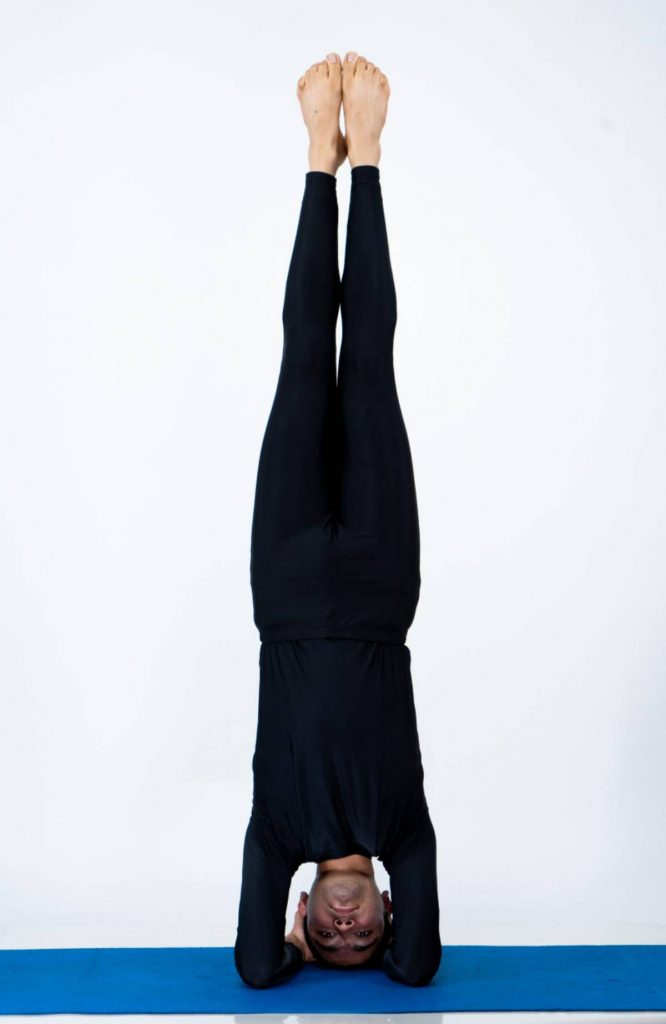
1. Shirsasana (Head stand pose or sirsasana)

Shirshasana is made up of two words, head and asana. Shirshasana is called the king of asanas. Children should do this asana for 1 to 2 minutes.

Sirsasana-Headstand
Sirsasana-Headstand | source: pixahive

Benefits: Shirshasana sharpens the mind of children and increases concentration. Those whose mind is not engaged in studies, start paying attention to studies. Since the flow of pure blood from this asana is towards the brain, then the eye, Ears, nose etc get healthy. This asana heals the pituitary and pineal gland, which activates the brain and improves memory, intelligence and concentration.

Read sirsasana in detail: Sirsasana steps, benefits, and precautions

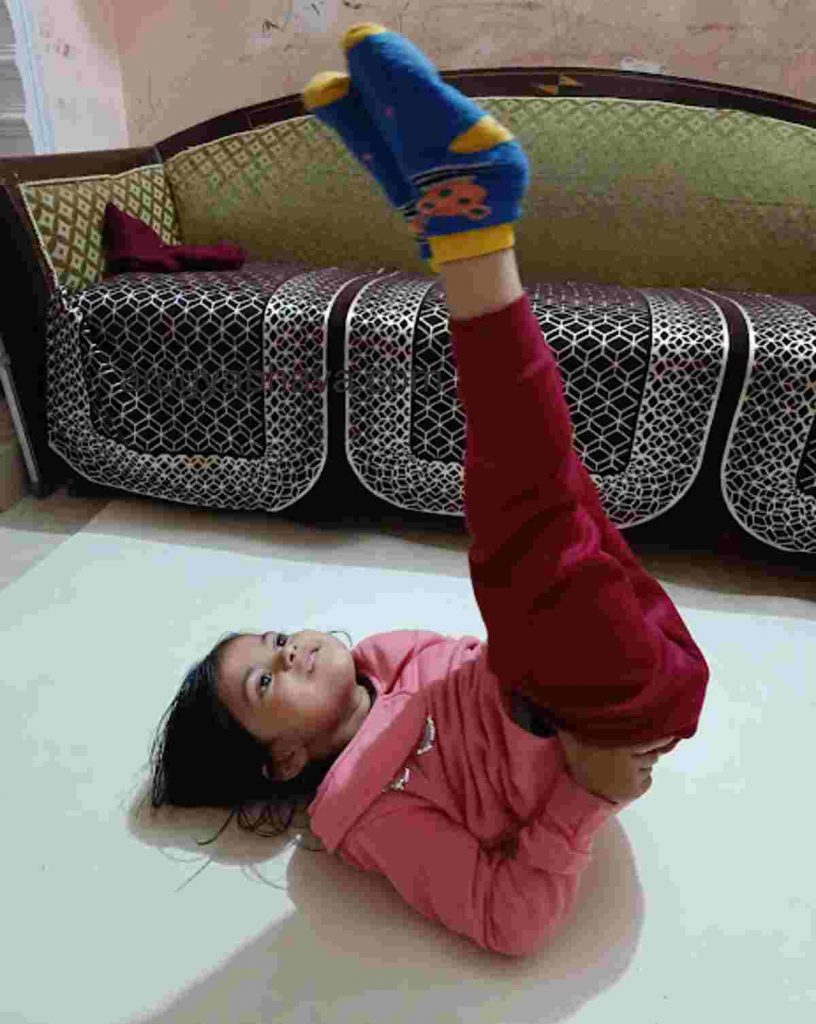
2. Sarvangasana for students

It comes second in the list of most beneficial asanas. Those who cannot do Shirshasana or those who are prohibited from doing Shirshasana can also do Sarvangasana. This asana can be done for 1-2 minutes.

sarvangasana
sarvangasana |source: arogyabhava

Sarvangasana Benefits: Due to the activation of the thyroid and pituitary glands by this asana, it helps in increasing the height of the children. The rest of the benefits like an increase in brain power, and help in concentration, are similar to Shirshasan. This asana gives relief from tiredness and tension.

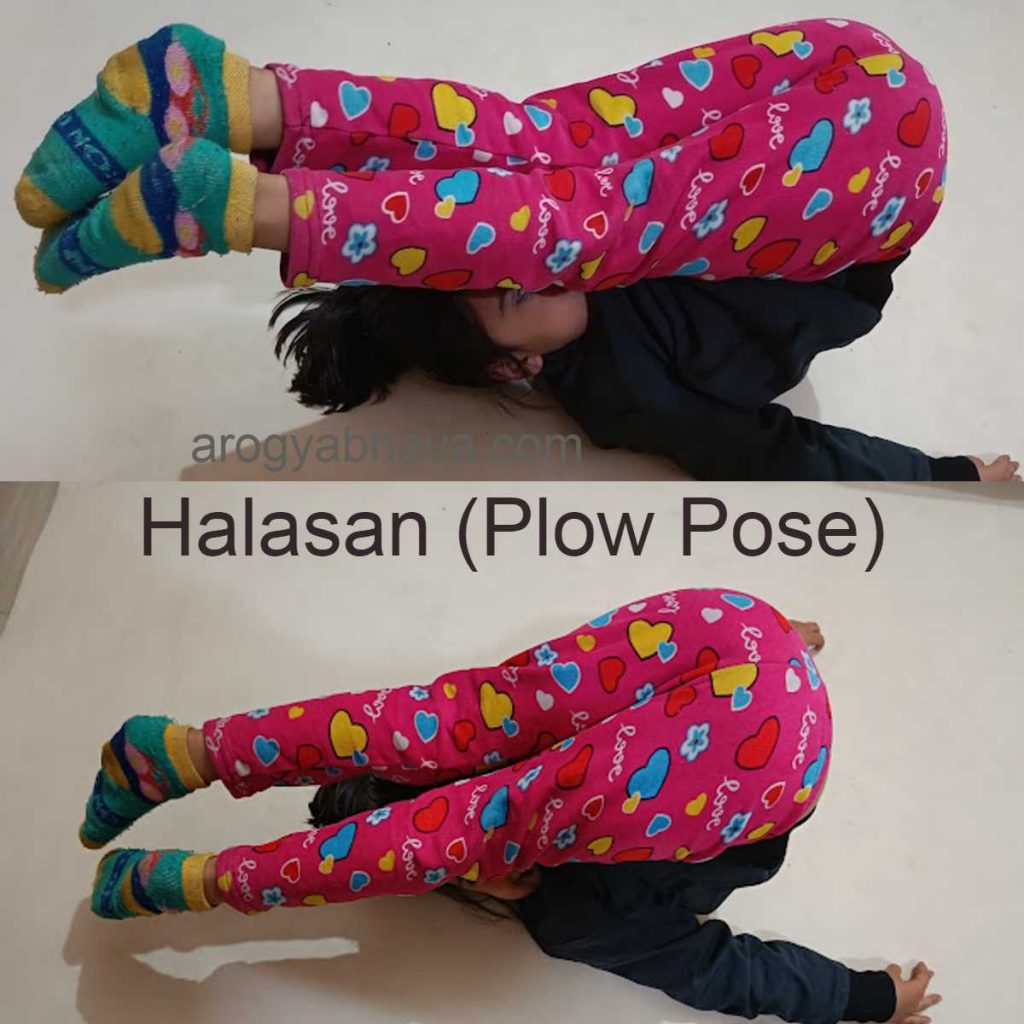
3. Halasana (Plow Pose) for students

Your children definitely learn this asana. The spine can be made healthy and flexible by this asana. Due to this children can be effective in sports, exercise, and athletics. This asana also removes the problem of obesity in children.
Children who cannot do Halasana should practice Mandukasana or Shasakasana.

halasana- plow pose
halasana- plow pose| source: ArogyaBhava

4. Chakrasana (Wheel pose or upward-facing bow)

Chakrasana is a beneficial asana for children. The spine becomes flexible through the practice of this asana. Appetite also feels good and intestines become active. As a result of the practice of this asana, the energy in the body, strength, and brightness of the face increases. It works like a panacea for children who have breathing problems, headaches, or eye disorders.

Chakrasana - Wheel Pose
Chakrasana | Wheel Pose | Image source: arogyabhava

Chakrasana steps:

Lie on your back with your knees bent. The heels should be as near to the buttocks as possible. Maintain equilibrium by keeping both hands upside down behind the shoulders at a small distance. Inhale and raise your waist and chest. Slowly pull the hands and feet closer together, so that the body forms a circle.

Read chakrasana (wheel pose) in detail: Chakrasana steps, benefits, and precautions

5. Paschimottanasana (Seated Forward Bend Yoga Pose)

Paschimottasana (Two legged forward bend)
Paschimottasana|Two legged forward bend|source:arogyabhava

Paschimottanasana is a very beneficial asana for school-going students. By practising this asana, the back muscles of children expand and become healthy. Due to the contraction of the muscles of the stomach, the health of the stomach improves. According to Yoga Shastras, this asana directs the Prana towards the Sushumna, which helps in the awakening of the Kundalini. Children’s concentration increases and their mind is also engaged in studies.

Also Read: Healthy Eating Slogans For Kids

Related Articles:

Healthy Diet for Students in Summer

Study: Junk Food Can Fuel Your Anxiety


Healthy Diet for Students in Summer

summer-healthy-diet

Healthy diet for students in Summer: Being a student, it becomes all the more challenging to maintain a well-balanced as well as a healthy diet. The reason being there are budgetary pressures along with obligatory socializing events which you need to attend. 

Therefore, most students put healthy diets, especially during summers, on the back burner. However, it does not require much planning to maintain a healthy diet as well as a healthy lifestyle for students. Moreover, these healthy diets are very economical and easy to cook too or follow.

Healthy Diet Tips for Students in Summers

Are children healthy enough? Party, dinner party, festival. Summer has arrived and our children are enjoying the food that they love. However, many of the meals of summer — from BBQ turkey legs to ice-creams and hot dogs — were diet disasters. Are there healthy ways of eating for kids to have fun?

To maintain your diet healthy and as well as make it beneficial for your body following tips can be followed by the students:

  • Learn to eat the right portion size
  • Always eat breakfast
  • Drink moderately
  • Drink water as much as you can
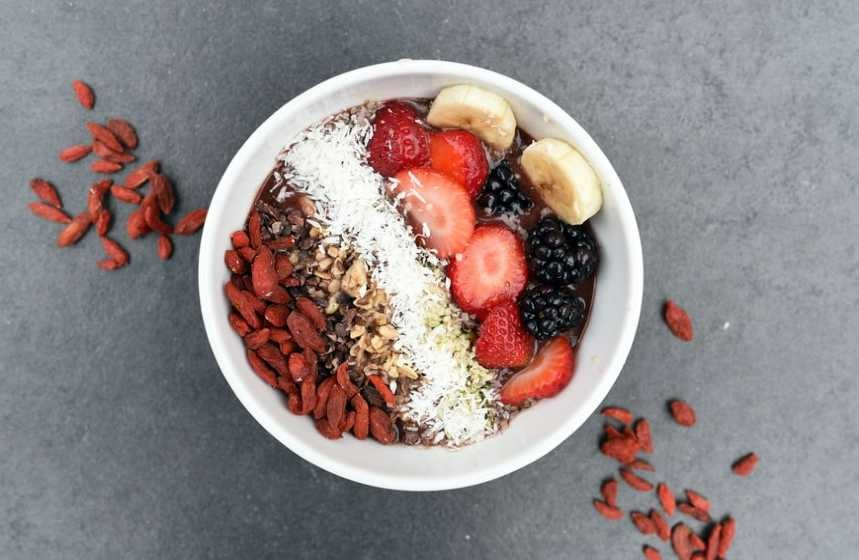
  • Try to eat as many fruits and veggies as you can
  • Make it easier for yourself to pick the right food and eat right
  • Indulge in good food once in a while
  • Seek help in treating eating disorders
  • Meals should be with variations
  • Stack healthy snacks with easy access
  • Do not try to overcome stress by overeating
  • Try to curb sugary and caffeinated beverages
  • Try to put a limit on junk food
  • Never skip your meals
  • Take vitamins often

Five A day Healthy Diet Program

It is very effective and easy to start a healthy eating regime which students can follow by simply sticking to the “5-a-day portion meal” rule. All the student needs is to eat just five portions of vegetables and fruits which are fresh every day. The students can start off with a glass of fresh fruit juice accompanied by breakfast.

Make Mealtimes Regular

Never ever try to skip meals. The students should try to eat every meal in a decent manner every day and all through the day. The ideal mealtime pattern should include breakfast, lunch and dinner. You can start off your day in a healthy manner by eating a healthy breakfast every day. Never eat dinner very late at night, as your body needs an ample amount of time to digest the food you eat during dinner.

Stay Active and not Hyperactive

Students usually find themselves sitting all through the day attending lectures or doping a project. This might earn you good grades but it is very harmful to physical well-being. Stay active by taking a short walk outside the class during breaks or try to walk down to your college or project site.

Take Enough Flu Fighters

Taking five a day meal ensures that your body gets enough minerals as well as vitamins, but this can be topped up with garlic and chillies which can be added to your diet while cooking. This will increase the supply of Vitamin C which is an effective flu fighter. These flu fighters are also found in various other vegetables like broccoli, tomatoes and sweet potatoes.

So why not stay fit and keep your mind charged by taking a healthy diet during summer by following these tips?

Also Read: Essence of a Healthy Diet

10 Easy Ways to Lose Weight

weight loss tips

You can bid a long farewell to all those tiring weight loss techniques that they tell you to adopt and follow. There are much simpler ways to lose weight that don’t ask you to starve or spend most of the day working out in the gym. Staying at home, you can lose weight by simply following a certain lifestyle that guarantees a substantial loss of weight, that too, by NOT putting too much time and effort.

1. A balanced diet:

No one’s asking you to starve. Just balance what you eat. Consult a nutritionist and have him prepare a diet chart for you that suits your lifestyle. Some salads, meat and veggies consumed in a proportionate way can work wonders on your health and help cut down on the excess fat that you might have been accumulating.

 2. Walking/Jogging:

Go out for walks, as and when you can. This helps a lot to shed the extra pounds in your body. Morning or evening walks or jogs can help tone the muscles and speed up your body’s metabolism rate.

 3. Cycling:

Especially for students, cycling can be a great way to keep in shape. Instead of boarding a bus or taking your car out to school or college, you can cycle each day. This practice can keep a student’s health in check.

4. Studying while walking:

Many students have this habit, and they can testify, that studying out loud while walking helps to memorize faster and better. Also, it can help you lose weight if you can manage to do that for some hours. Working professionals can find this practice a bit problematic.

5. Extra Load on The Brain

Exam/ Project Deadline Exam really gets one going. Depending on sincerity or lack of preparation, students and professionals get pepped up at the last minute and really put in efforts beyond their normal capacity. This extra load on the brain affects a student’s health and as a positive effect here, transforms into weight loss.

6. Proper sleeping practices:

Proper sleeping habits are vital in maintaining health. Oversleeping can cause weight gain and under-sleeping causes the opposite. So you should balance it well enough. A student’s health during exam depends a lot on his sleeping habits.

7. No food on the table:

While studying, concentrate only on your study. Don’t keep anything edible nearby. This unnecessary practice causes weight gain in the longer run.

8. Don’t keep your necessary documents in one place:

Keep what you have to study in different places, so as to get up and have a walk whenever you need them. Having everything within an arm’s reach will never give you an incentive to move.

9. No midnight snacks:

Cut down on this habit. During exams, having midnight snacks becomes a necessary habit but try not to pick it up. Sleep followed by snacks adds to your fat content.

10. No junk food:

A health hazard, junk food contains a lot of fat that can take shelter in your body. Avoid junk food especially during exam time, if you study at a single place for hours. 

For students who want to keep a tab on their health, these are simple ways in which you can voluntarily or involuntarily stay or get in shape.